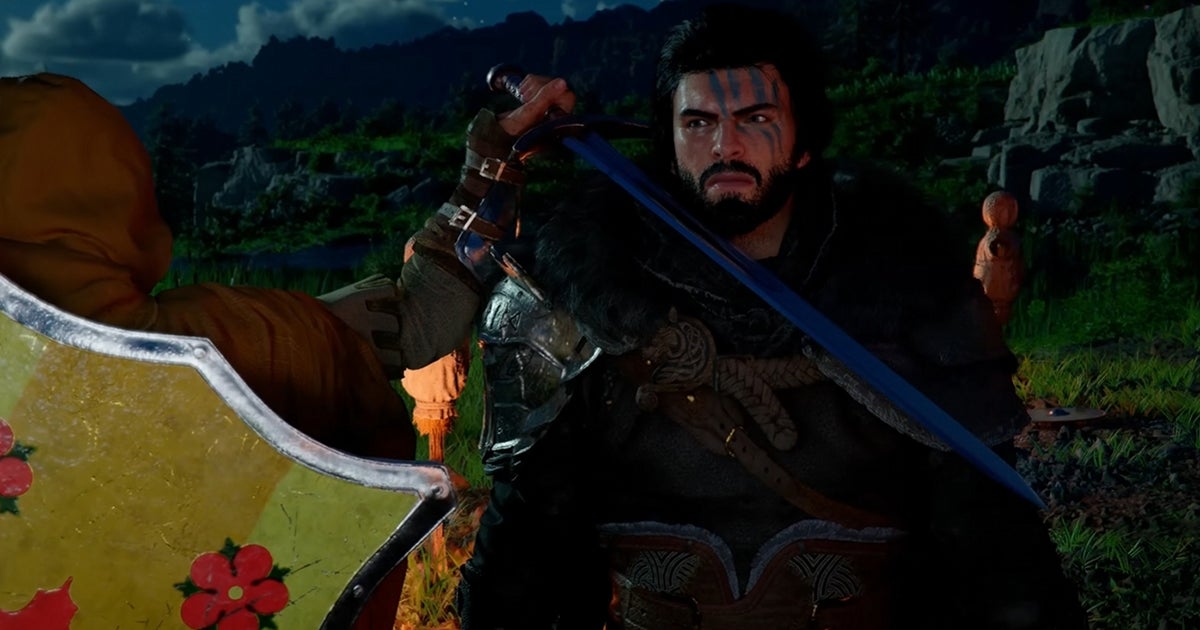
Pearl Abyss's Crimson Desert launch has generated widespread player complaints about confusing button mapping and sluggish controls, and the developer's stock fell roughly 30% after mixed critic reviews and last‑minute Steam changes (Denuvo DRM). Several players reported immediate refunds, while some positive impressions remain from visuals and base PS5 footage; monitor early sales, refund rates and engagement metrics for potential revenue and share‑price follow‑through.
The market reaction to a flawed launch is mostly a sentiment compression event front‑loaded into days‑to‑weeks; the true economic hit comes from impaired conversion and a shortened content tail. Historical analogs show that a visible drop in user ratings during the first 14 days tends to reduce conversion of organic traffic by ~15–25% and can shave 10–20% off expected first‑year live‑ops monetization unless fixed within 2–6 weeks. That timing matters because many budgets and marketing spend decisions (seasonal discounts, influencer pushes) are locked weeks ahead and are hard to recoup if early KPIs miss.
Competitors and platform owners are the asymmetric beneficiaries: players deterred from one launch disproportionately sample contemporaneous titles, accelerating churn into rival ecosystems. Separately, DRM/modality decisions and clunky input schemes raise the bar for post‑launch community engagement — a smaller modding base and lower streamer retention compress the long tail, raising the chance Pearl Abyss needs to subsidize retention (discounts, free content), which dilutes ARPU. Device middleware and third‑party QA/UX services could see near‑term demand spikes as studios scramble to harden controller ergonomics.
Key catalysts to watch are (1) a hotfix or patch rollout within 1–3 weeks that measurably improves input latency or UX flow, (2) top streamer sentiment turning positive within 30 days, and (3) early DLC or microtransaction uptake in the first two months. Tail risks: a coordinated refund/review wave across platforms in the first 14 days, or platform holder intervention (visibility/feat removal) that limits discoverability; both would push the impact from a quarter to multiple quarters. Reversal is possible but requires both technical fixes and demonstrable engagement recovery (DAU/CCU uptrends) over 6–12 weeks.
AI-powered research, real-time alerts, and portfolio analytics for institutional investors.
Request DemoOverall Sentiment
strongly negative
Sentiment Score
-0.55
Ticker Sentiment
