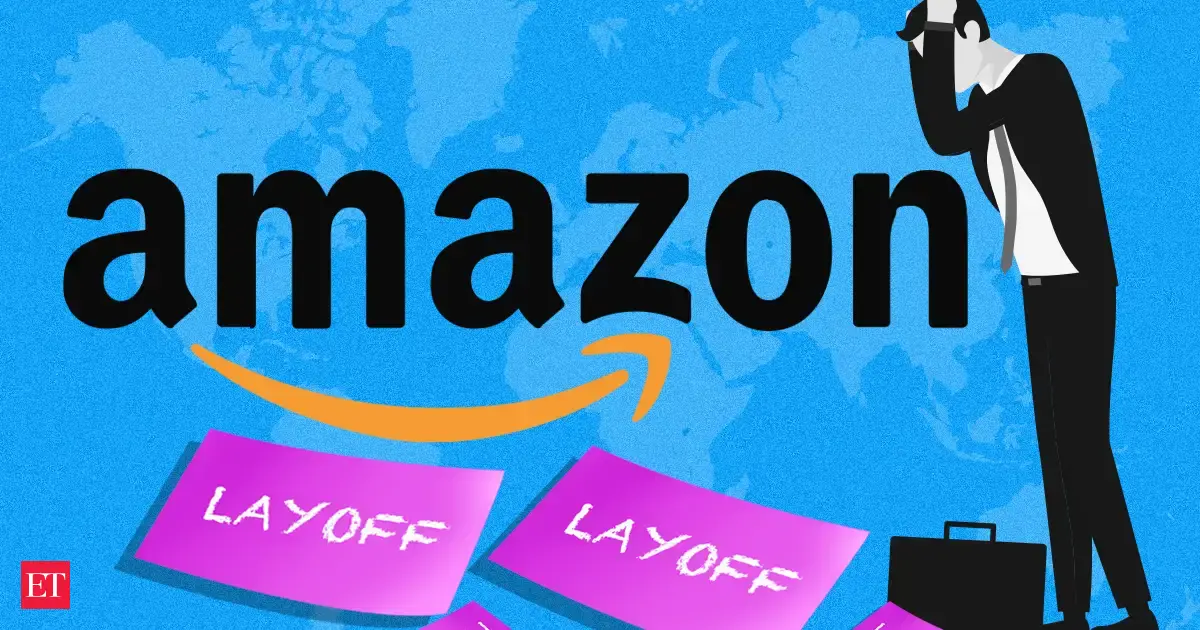
Amazon is continuing layoffs in 2026, with the latest cuts hitting Selling Partner Services and following prior rounds in October 2025, January 2026, and the robotics division. The company says the reductions are tied to AI and automation, while simultaneously pursuing a $200 billion AI infrastructure spend and still hiring for AI-focused technical roles. The message signals ongoing workforce restructuring and a shift toward AI-native operations rather than a broad hiring freeze.
AMZN is signaling a structural margin reset: the company is converting a large share of white-collar operating expense into AI capex, which should mechanically improve long-run operating leverage but pressure near-term investor sentiment because the market will not get a clean opex benefit until the automation curve is proven. The key second-order effect is not just fewer employees; it is lower organizational friction in seller support, compliance, and internal ops, which can shorten cycle times and improve marketplace unit economics. That creates a medium-term bull case for AMZN’s retail margin structure even as headline restructuring reads bearish.
The immediate losers are staffing vendors, BPOs, and any public software/workflow firms exposed to enterprise support and operations headcount replacement. The more important competitive dynamic is that Amazon is setting a template incumbents will copy: use AI to compress back-office labor before competitors do, then reinvest into model infrastructure and product velocity. If Amazon executes, the pressure shifts to peers with heavier labor intensity and weaker automation budgets, particularly in consumer internet and logistics-adjacent names.
Consensus is likely underestimating the pace of workforce substitution. This is not a one-quarter event; it is a 12-24 month process with multiple downsizing waves as AI tools are embedded into more workflows. The main reversal catalyst would be evidence that automation is degrading seller experience or increasing fraud/compliance misses, forcing Amazon to re-add human oversight; that risk is real, but it typically shows up with a lag after the initial cost takeout. Over the next few months, the stock can still trade lower on “AI spending without visible payback,” but over 1-2 years the earnings power could re-rate higher if utilization and service quality hold.
The contrarian read is that the market may be too focused on job cuts as a negative and not enough on the fact that Amazon is effectively buying future operating margin at scale. The bigger near-term risk is not lower demand; it is execution variance from rapid reengineering. If the company proves it can preserve conversion, seller satisfaction, and compliance while reducing labor, this becomes one of the strongest AI monetization stories in mega-cap tech.
AI-powered research, real-time alerts, and portfolio analytics for institutional investors.
Request DemoOverall Sentiment
strongly negative
Sentiment Score
-0.62
Ticker Sentiment
