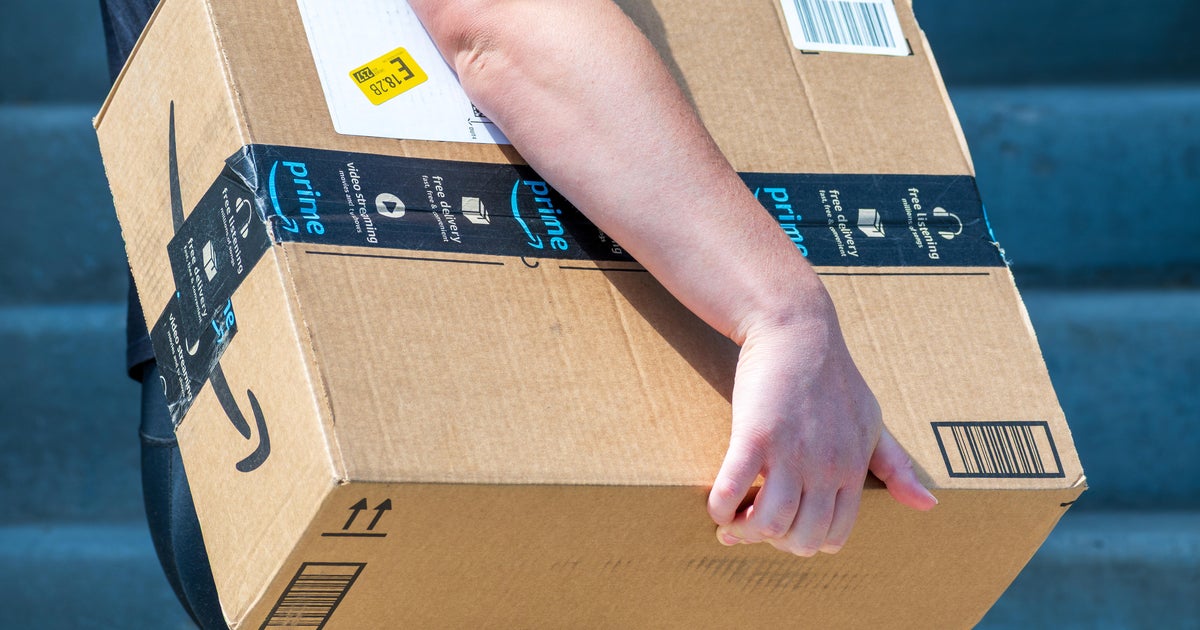
Amazon launched 1-hour and 3-hour delivery options across U.S. cities, with 1-hour available in parts of major metros (Chicago, Houston, Los Angeles, Nashville, Oklahoma City, Washington, D.C.) and smaller cities, and 3-hour delivery in more than 2,000 cities. Pricing: Prime members pay $9.99 (1-hour) and $4.99 (3-hour) while non-Prime pay $19.99 and $14.99; Prime still offers free same-day with annual membership. Eligible items include household staples, OTC meds, health & beauty, electronics, toys and clothing, increasing competitive pressure on drugstores and big-box retailers.
Amazon’s accelerated last‑mile push changes the margin calculus for staples and OTC categories by shifting competition from price+promotions to speed+convenience. Faster fulfillment raises the value of inventory locality and density — winners will be operators that can hit a per‑node order density threshold where incremental delivery cost falls below the premium customers pay for speed. Expect that threshold to be the governing metric across metros rather than headline unit economics: if dark stores average ~250–400 orders/day they become materially accretive; below that, they are loss‑making even with Prime premiums.
Second‑order supply‑chain effects are nontrivial. A durable move to denser urban fulfillment increases short‑cycle inventory and requires new real‑estate footprints (small urban dark stores, higher rent per square foot) which converts fixed warehousing cost into semi‑fixed capex and working capital, pressuring cash conversion in the near term. Incumbent parcel carriers and legacy same‑day providers face meaningful secular volume risk if urban density scales; a sustained few‑percent shift of e‑commerce parcel mix to Amazon’s network would compress growth and margin outlooks for those players.
Key catalysts and tail risks are operational and regulatory. Unit economics depend on routing efficiency, utilization of multi‑stop routes, and labor costs — wage inflation or fuel shocks can flip the math quickly; conversely, machine learning routing improvements and tighter store clustering can drive outsized margin gains within 6–12 months. Regulatory scrutiny on market power and anticompetitive pricing remains a latent risk that could force changes to cross‑subsidy behavior over a 12–36 month horizon.
AI-powered research, real-time alerts, and portfolio analytics for institutional investors.
Request DemoOverall Sentiment
mildly positive
Sentiment Score
0.20
Ticker Sentiment
