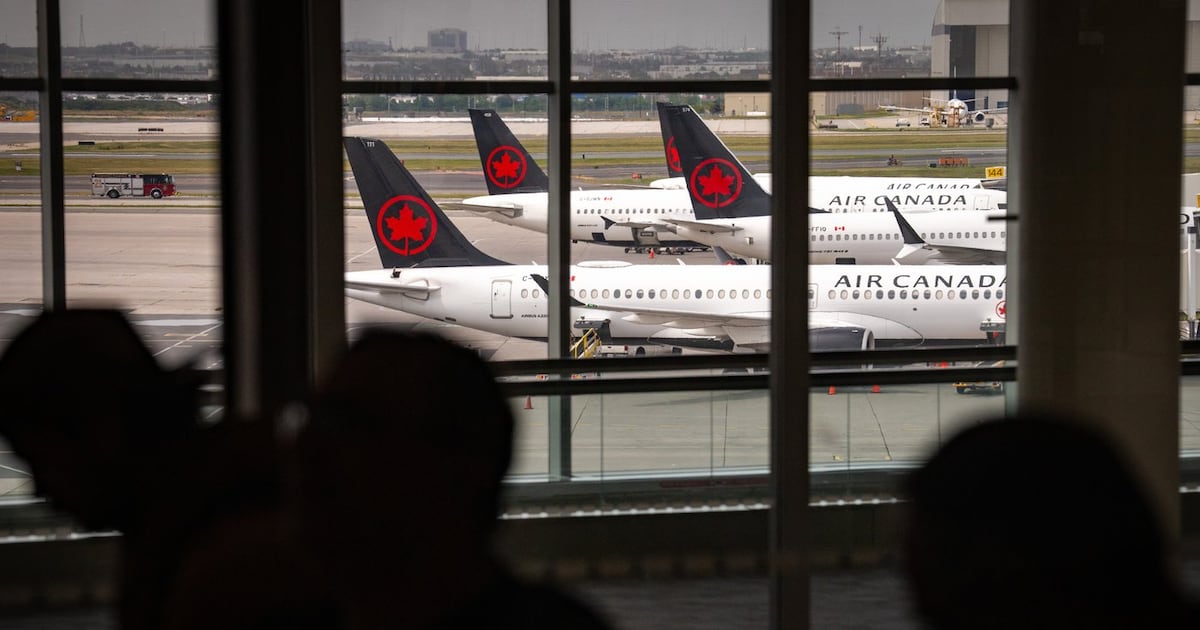
The article centers on whether a temporary suspension of the gas tax could lower airfares in Canada, with airlines commenting on the potential pass-through to ticket prices. The piece is policy-focused and largely exploratory, with no concrete pricing change or financial figures cited. Any market impact appears limited and mostly relevant to Canadian airlines and travel demand.
A temporary fuel-tax holiday is much more likely to be a margin transfer than a demand stimulus. Airlines typically pass through only a fraction of transient tax relief into fares because pricing is set by network discipline, capacity, and peak-demand elasticity; any benefit should accrue first to carriers with stronger domestic exposure and cleaner hedging, not necessarily to the consumer. The second-order effect is that the policy can compress announced fare discounts without meaningfully changing system-wide load factors, which means the headline political win may coexist with little change in industry revenue per available seat mile.
The real winners are the carriers with the highest share of short-haul, price-sensitive traffic and the most ability to re-price ancillary revenue around a lower all-in ticket. The losers are operators reliant on thin-margin regional routes and airport-linked concessions, because even small fare reductions can shift demand toward larger hubs and leisure-heavy networks. Over months, a temporary suspension risks creating a “snapback” effect: airlines may hold back capacity rather than lock in lower base fares that they expect to reverse when the tax returns, muting the intended benefit.
The market is probably underestimating the timing mismatch between policy and pricing. Airfares respond in days, but consumer behavior and booking windows operate over weeks; if the suspension is short, the effective savings may never be fully visible in realized yield data. Conversely, if the measure gets extended, it becomes an input-cost relief story for airlines and a modest negative for fuel suppliers and airports with traffic-sensitive fee structures.
Contrarian view: the consensus is likely too focused on the consumer headline and not enough on carrier behavior. If the policy is framed as temporary, airlines have incentive to keep published fares sticky and compete through loyalty, bag fees, and schedule quality rather than cut base prices. That makes the best trade less about airlines as a sector and more about relative winners inside the sector, plus a tactical short in names with the highest sensitivity to ticket-price compression and low ancillary flexibility.
AI-powered research, real-time alerts, and portfolio analytics for institutional investors.
Request TrialOverall Sentiment
neutral
Sentiment Score
-0.05
