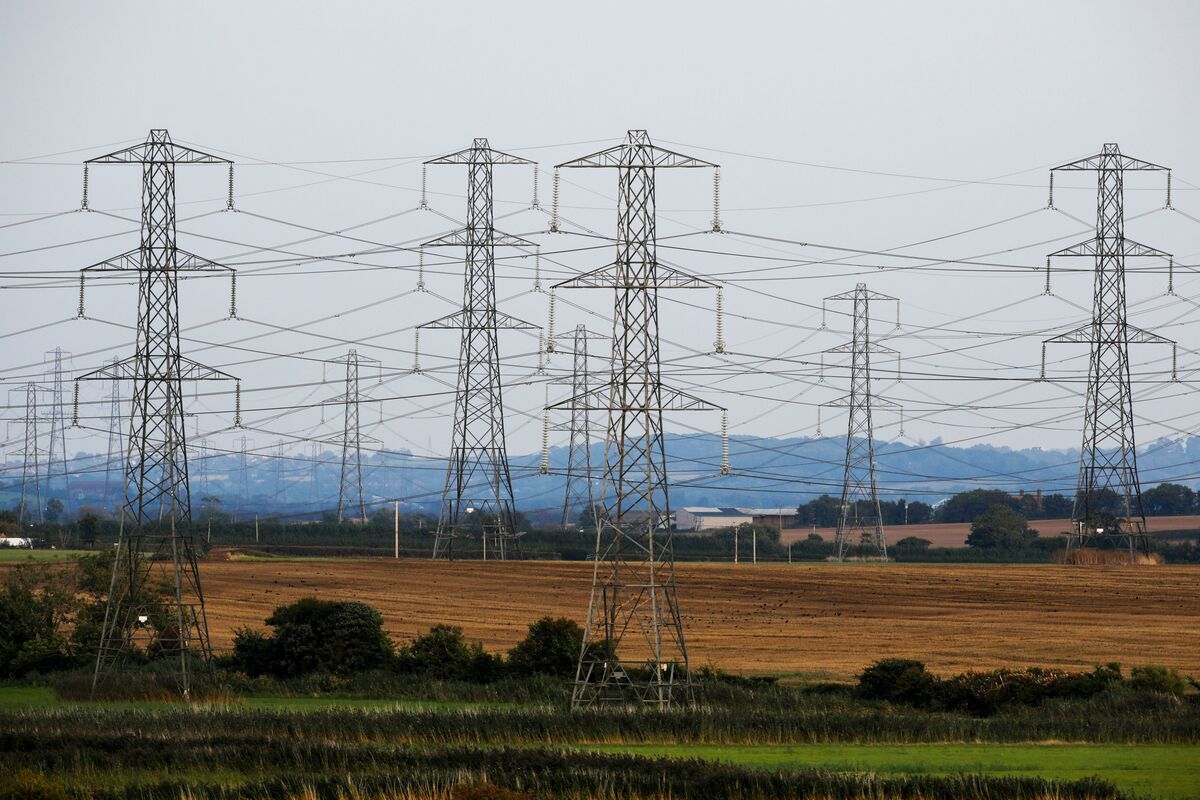
Britain's grid operator issued a rare summer power supply warning for Wednesday evening, citing a 1.9 gigawatt margin shortfall as soaring temperatures strained the system. Power plant operators have been asked to make any extra capacity available. The alert signals short-term operational stress for the UK energy grid, but the immediate market impact is likely limited.
The immediate market implication is not a broad power-price shock, but a spike in balancing and reserve value. In a tight summer system, the marginal winner is any generator with fast-start capability, low forced-outage risk, or contractual exposure to scarcity pricing; the losers are industrials and data-center heavy names that face the wrong kind of weather beta: not demand destruction, but unplanned downtime and higher interruptible-power charges. The second-order effect is that utilities with weaker merchant exposure may actually look safer than merchant-heavy peers because regulated recovery mechanisms can pass through some of the cost.
The key risk is that these events are usually brief, but they matter when they expose hidden fragility in a system that is already leaning on intermittent supply and cross-border imports. If the heat persists for several days, the issue can migrate from a one-off reserve squeeze into a broader dispatch problem, which tends to lift intraday power volatility and widen spreads between flexible gas, storage-linked, and inflexible baseload assets. A normalizing weather pattern would likely compress the trade quickly; the setup is therefore more tactical than structural unless repeated warnings become frequent over the next one to two summers.
The contrarian angle is that the warning itself may be more important than the short-term power margin. It reinforces the investment case for grid hardening, backup generation, and flexibility assets, while also increasing the odds that policymakers accelerate support for storage, demand response, and capacity-market reforms. That means the better medium-term expression is not chasing electricity prices after each heat event, but owning the infrastructure that monetizes volatility and resilience.
From a defense lens, repeated grid stress raises the perceived value of backup systems for critical infrastructure, but the translation to pure defense is indirect and slower. The nearer-term trade is in energy flexibility and reliability rather than traditional defense primes.
AI-powered research, real-time alerts, and portfolio analytics for institutional investors.
Request DemoOverall Sentiment
mildly negative
Sentiment Score
-0.25
