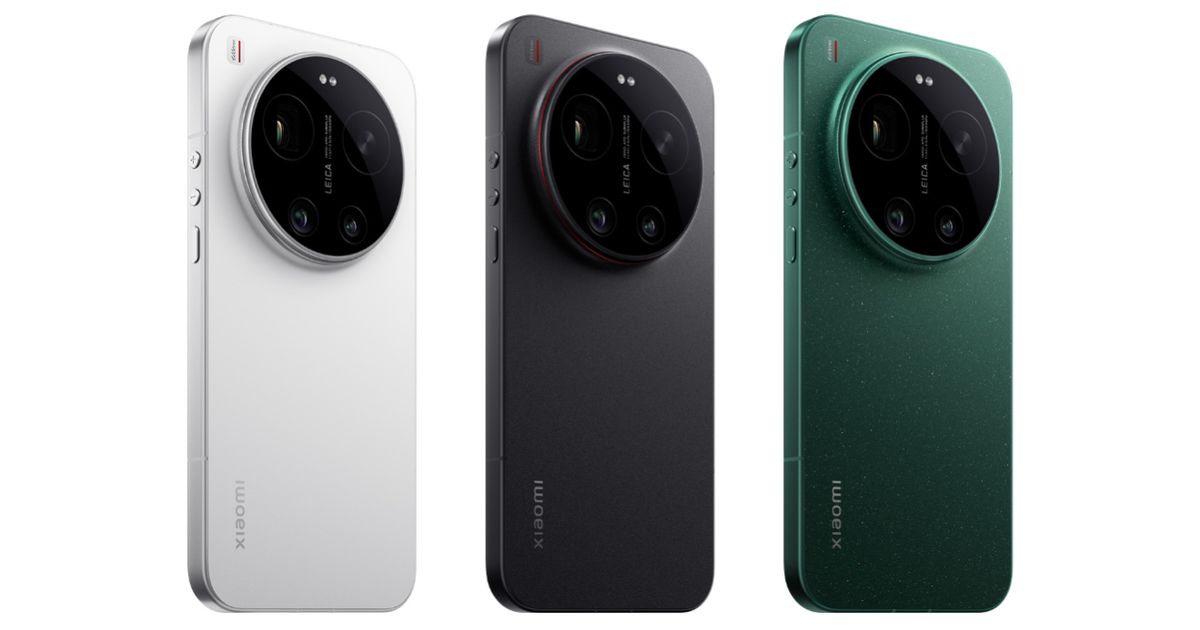
Xiaomi held year-on-year pricing for its new 17 and 17 Ultra smartphones despite rising memory costs, a sign that premium handset pricing is resilient because memory is a smaller share of their BOM, Wedbush says. By contrast, Japan PC shipments fell about 16% year-on-year, illustrating greater vulnerability in the PC market where memory comprises a larger component cost and rising memory prices are likely to push up retail PC prices and weigh on demand; investors should monitor early sales data for signs of price elasticity in consumer electronics.
Market structure: Memory sellers and semicap suppliers are the primary winners — DRAM/NAND producers (Micron MU, Samsung 005930.KS, SK Hynix 000660.KS) and equipment makers (Lam Research LRCX, Applied Materials AMAT) stand to see margin expansion if component prices rise >5–10% over the next 3–6 months. PC OEMs (HPQ, DELL, Lenovo 0992.HK) and mid/low-tier retail channels are losers because memory is a larger share of PC BOM, and the reported ~16% Japan shipment decline signals >10% price elasticity at consumer price moves above mid-single digits. Premium smartphones (AAPL, Samsung handset business) are insulated in the near term because memory is a smaller BOM component, allowing price stabilization to protect volumes.
Risk assessment: Tail risks include a demand collapse from macro recession or rapid inventory destocking that could flip DRAM from inflationary to deflationary within 6–12 months (past cycle saw >30% peak-to-trough DRAM moves). Short-term (days–weeks) hinge on DRAM contract settlements and March–May OEM purchasing; medium-term (3–6 months) on seasonal PC ordering and school-program distortions; long-term (12–24 months) on cloud/server demand and capex cycles. Hidden dependencies: percentage of spot vs contract mix, OEM inventory days, and regional procurement timing; catalysts to watch are March DRAM contract notices, major OEM earnings, and Japan/US PC shipment prints.
Trade implications: Favor selective longs in memory and semicap with defined option overlays: establish a 2–3% long in MU and a 1–2% position in LRCX over next 10 trading days, funded by shrinking PC OEM exposure (short 1–2% HPQ or 0992.HK). Use 3–6 month call spreads on MU to capture upside while limiting PV drawdown; consider a relative-value pair trade long MU / short HPQ sized 1–1 for 3–6 months. Entry trigger: act ahead of DRAM March contract settlements; exit/trim if DRAM spot falls >10% from current levels or if Japan PC shipments normalize above +5% yoy.
Contrarian angles: Consensus underestimates the speed of a memory bust if higher retail PC prices force substitution to refurbished/Chromebooks — a 15–25% retail price rise could cut volumes >20% and induce rapid price collapses as seen in the 2018 memory bust. Semicap valuations (LRCX, AMAT) may already price a multi-quarter upcycle; prefer MU exposure over pure capex names if you want nearer-term demand sensitivity. Unexpected outcome: sustained higher memory prices could accelerate OEM design shifts to denser, cheaper BOM architectures (e.g., LPDDR consolidation), shortening the cycle and capping long-term upside — set stop losses at 10–12% for equity legs and use delta-hedged options to manage vega risk.
AI-powered research, real-time alerts, and portfolio analytics for institutional investors.
Request TrialOverall Sentiment
mildly negative
Sentiment Score
-0.28
