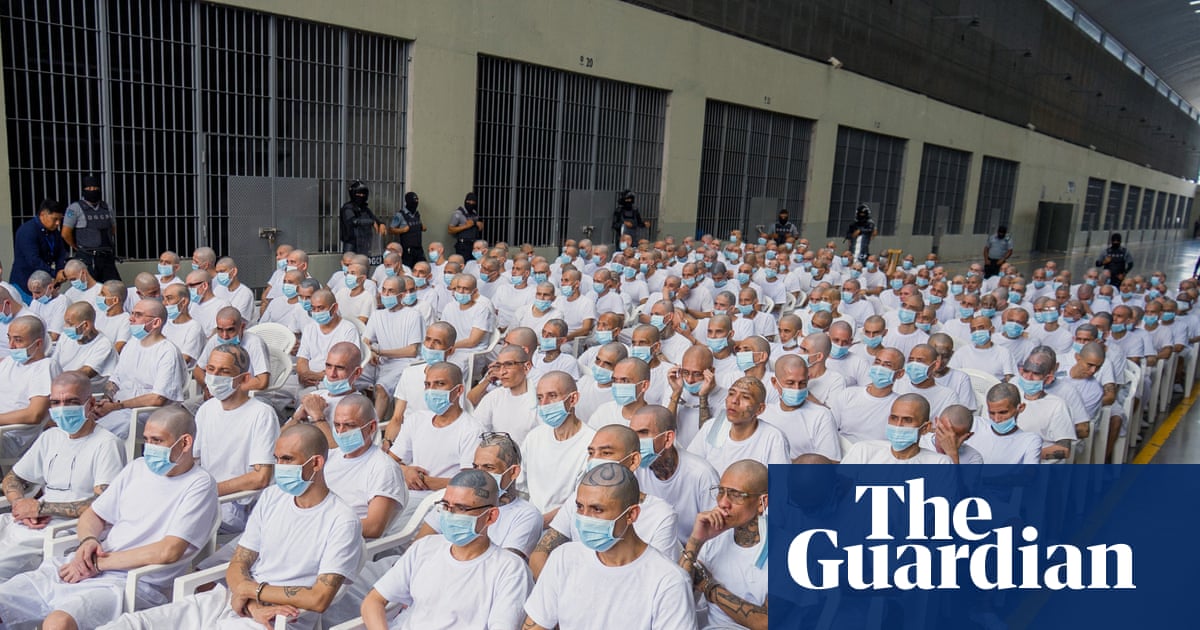
A Salvadoran court began a mass trial of 486 alleged MS-13 gang members over more than 47,000 crimes spanning 2012-2022, highlighting the scale of Bukele’s emergency-powers crackdown. Prosecutors seek maximum sentences, and a single defendant could face up to 245 years in prison if convicted. The Inter-American Commission on Human Rights again warned that the prolonged state of emergency is violating due process and civil liberties.
This is less a single-country criminal case than a stress test of institutional durability in an EM sovereign that has already chosen security exceptionalism over procedural normality. The market implication is not immediate default risk; it is a longer-dated governance discount that can widen quietly through financing costs, investor base shrinkage, and higher political risk premia across any asset linked to rule-of-law credibility, especially if courts become an instrument of regime consolidation rather than adjudication.
The second-order effect is on external capital, not local crime statistics. Tourism, FDI, and multilateral engagement are the channels most likely to degrade if the state-of-emergency framework becomes semi-permanent, because those flows are sensitive to reputational risk and compliance screens rather than headline murder-rate improvements. That creates a paradox: apparent public-order success can coexist with weaker medium-term growth and a narrower pool of creditors willing to own the story, which eventually matters more for sovereign spreads than domestic approval.
The consensus is likely to underweight reversal risk because crackdowns initially compress volatility and can be politically popular. But the tail risk is a legal or humanitarian inflection point that triggers sanctions rhetoric, NGO pressure, or friction with multilateral lenders; that would matter on a months-to-years horizon, not days. The more immediate tactical risk is that investors extrapolate the decline in violence into a durable macro reform premium, when in reality the premium is vulnerable to any high-profile due-process scandal or court ruling that exposes the fragility of the model.
For now, this is a ‘watch the spread, not the headline’ setup: if financing conditions stay easy, the regime can keep buying order; if external funding tightens, the political cost of emergency governance rises quickly. The best contrarian frame is that the crackdown may be popular enough to persist, but popular enough to distort institutions in ways that are only priced after they begin to impair capital access.
AI-powered research, real-time alerts, and portfolio analytics for institutional investors.
Request TrialOverall Sentiment
strongly negative
Sentiment Score
-0.55
