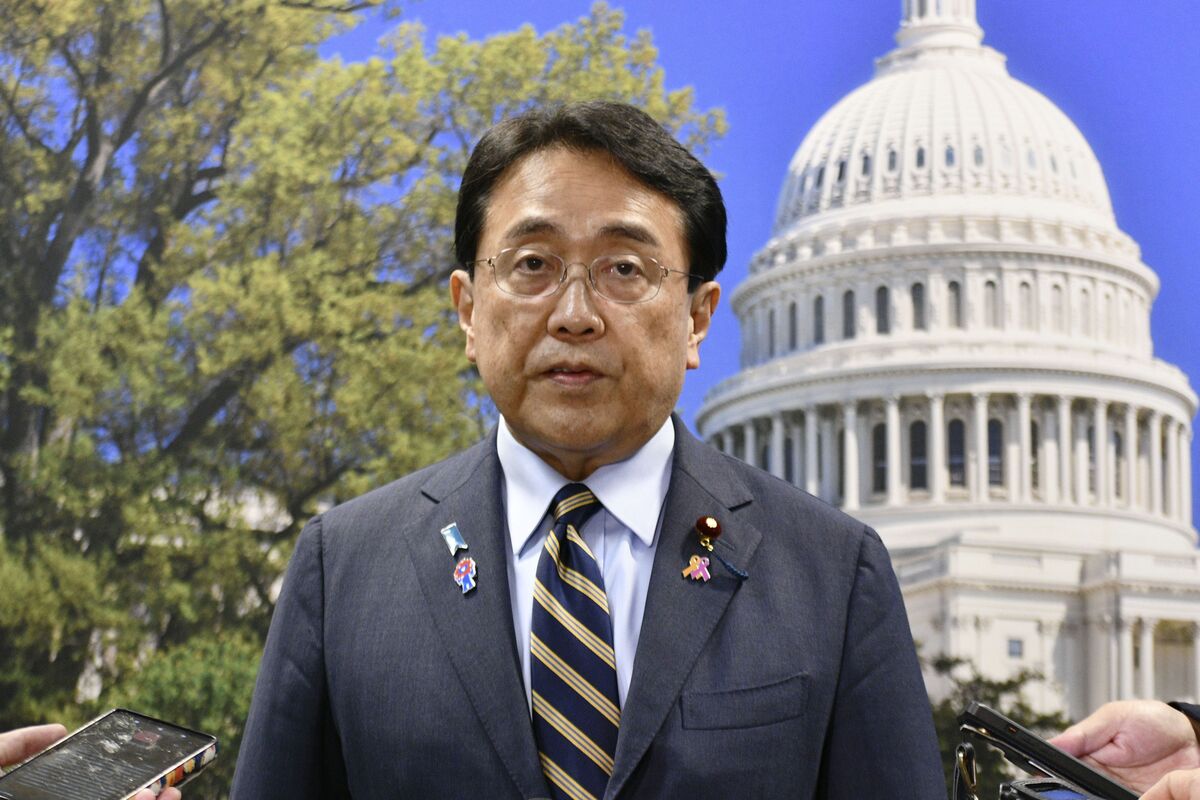
Japanese chief trade negotiator Ryosei Akazawa and US Commerce Secretary Howard Lutnick held over two hours of 'frank, in-depth discussions' in Washington on Monday, aiming for a mutually beneficial trade agreement. This meeting is critical as an August 1 deadline for higher tariffs looms, with Japan reiterating its commitment to protecting national interests, signaling the urgency to avert new trade barriers.
High-level trade negotiations between Japan's chief negotiator, Ryosei Akazawa, and US Commerce Secretary Howard Lutnick are entering a critical phase ahead of an August 1 tariff deadline. The meeting, which lasted over two hours, was characterized as involving 'frank, in-depth discussions,' signaling a serious attempt to bridge differences. However, the outcome remains highly uncertain, as Japan's public statement simultaneously emphasizes the pursuit of a 'mutually beneficial agreement' while vowing to 'protect its national interests.' This dual messaging suggests significant points of contention persist, creating a binary risk scenario for markets. The looming deadline introduces considerable headline risk for assets sensitive to US-Japan trade dynamics, as the failure to secure a deal could trigger new, disruptive tariffs impacting supply chains and corporate profitability in exposed sectors.
AI-powered research, real-time alerts, and portfolio analytics for institutional investors.
Request DemoOverall Sentiment
mixed
Sentiment Score
0.00
