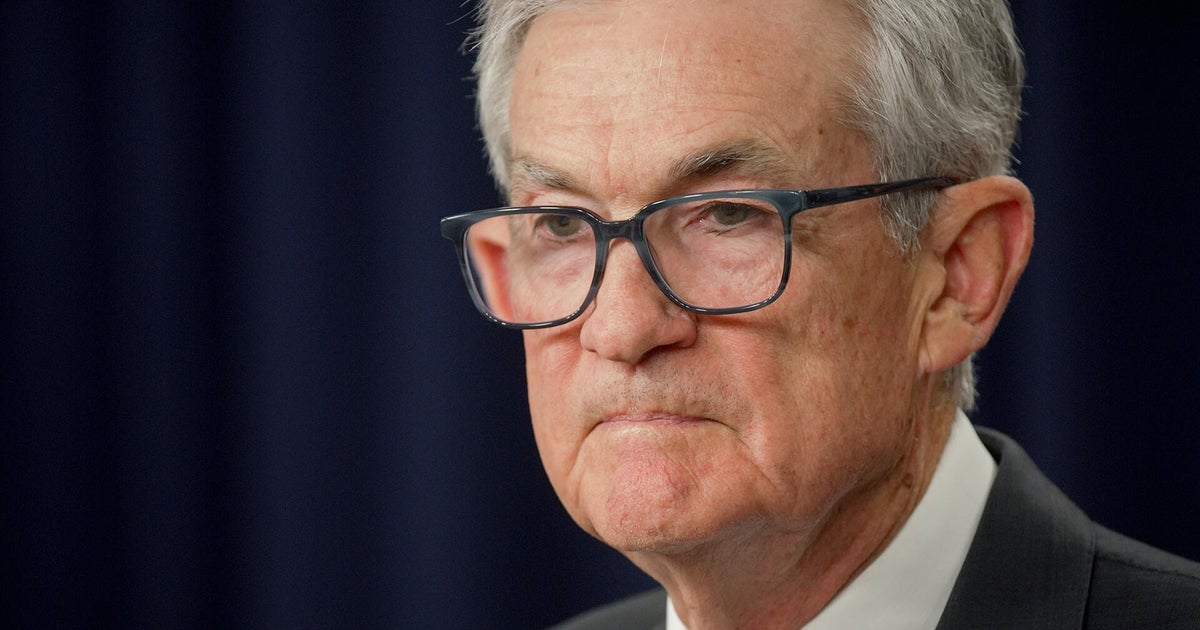
The Fed paused on rates and signaled elevated uncertainty, with CME FedWatch showing ~75% probability of no rate cuts this year and the dot plot split (7 officials penciled no cuts, 7 one cut, 5 two+). Unemployment is 4.4% and payrolls fell by 92,000 in February, implying effectively zero net private-sector job creation. Geopolitical risks from the Iran war — which has constrained the Strait of Hormuz that carries ~20% of global oil — are fueling energy-price pressure and leading the Fed to caution that inflation may be slightly hotter in 2026 versus its December forecast.
Policy inertia driven by geopolitical-driven energy risk has a predictable transmission: a shock to input prices lifts near-term headline inflation while increasing uncertainty around the policy path, which raises term premia and keeps front-end real rates elevated for months. That combination compresses valuations of long-duration, cashflow-distant equities and amplifies downside gamma in crowded growth positioning; a 100–200bp re-pricing in the discount rate over 3–6 months would cut NPV of 5–10 year growth stories by 15–30% depending on cashflow concentration.
Second-order winners are service providers that monetize transit disruption (marine insurers, VLCC owners, bunkering/refinery corridors that gain market share from rerouted flows) and financial intermediaries that benefit from wider rate spreads (banks with variable-rate assets and energy-secured lending). Losers include global supply-chain exposed manufacturers facing longer lead times and higher working capital needs, companies with large share repurchase plans financed at floating rates, and EM importers where FX pass-through will accelerate mid-cycle.
Time horizons matter: days-to-weeks volatility will be driven by headlines and option-flow; months-to-one-year positioning will determine realized performance as corporates reprice capex and hiring. Reversal catalysts are clear — a durable diplomatic easing or coordinated SPR-type release would collapse the risk premia inside 60–90 days, while a protracted disruption or second-order sanctions could keep premia high for 6–18 months. Monitor shipping redirections, marine insurance rates, and 3–6 month crude inventories as leading indicators for regime change.
AI-powered research, real-time alerts, and portfolio analytics for institutional investors.
Request DemoOverall Sentiment
moderately negative
Sentiment Score
-0.45
