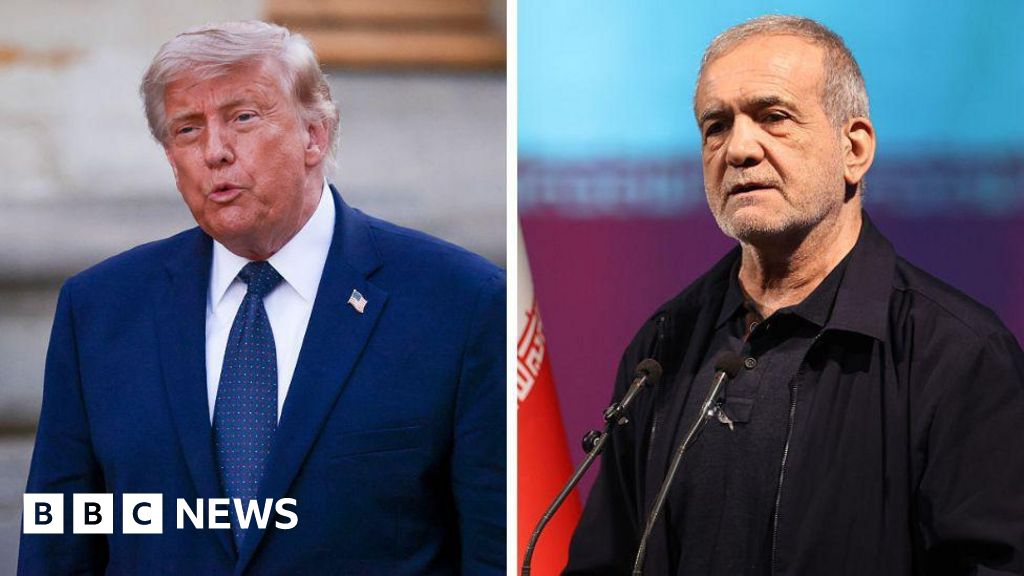
The US and Iran signed an initial peace memorandum that aims to end the war immediately, reopen the Strait of Hormuz, and lift all US sanctions, while leaving Iran's nuclear programme to be negotiated over a maximum 60 days. The deal includes a proposed $300bn reconstruction fund, onsite dilution of Iran's enriched uranium under IAEA oversight, and no charges for ships transiting Hormuz for 60 days, helping push Brent crude about 1% lower to $78.79/bbl in early Asia trade. Despite the market relief, the agreement remains fragile, with Israel's actions, Iranian distrust, and US political backlash all increasing the risk of renewed volatility.
The immediate market read is a relief rally, but the bigger implication is a sharp repricing of geopolitical risk premia across energy, shipping, and inflation-sensitive assets. The first-order winner is any asset tied to lower oil volatility; the second-order loser is the credibility of the “higher-for-longer” inflation narrative, which now has a political backstop in the form of a forced de-escalation window. That said, the deal is structurally fragile because the most important leverage point — transit through Hormuz — can be re-weaponized after a short fuse, so the market is likely underestimating how much optionality Iran still has over global supply chains.
The most interesting dynamic is that the agreement creates a temporary ceiling on energy prices without removing tail risk. That tends to crush realized volatility more than directionality, which is bearish for energy producers with short-dated options sold against them, and bullish for consumers that had been pricing in sustained input-cost pressure. However, if the ceasefire fails, the rebound could be violent because positioning will likely flip from risk-off to short-covering in a matter of days, especially in freight, refiners, and European cyclicals most exposed to imported energy.
On the political side, the market should not assume the deal is durable just because it exists on paper. Domestic backlash in Washington and skepticism in Tehran both raise the probability of renegotiation failure inside the 60-day window, which means the optimal trade is probably not a blanket duration call but a volatility expression. The underappreciated risk is that even a partial reopening of Hormuz can still leave insurers, shippers, and LNG buyers demanding higher risk premia for months, so the inflation impulse may fade slower than headline oil prices suggest.
AI-powered research, real-time alerts, and portfolio analytics for institutional investors.
Request DemoOverall Sentiment
mixed
Sentiment Score
-0.05
