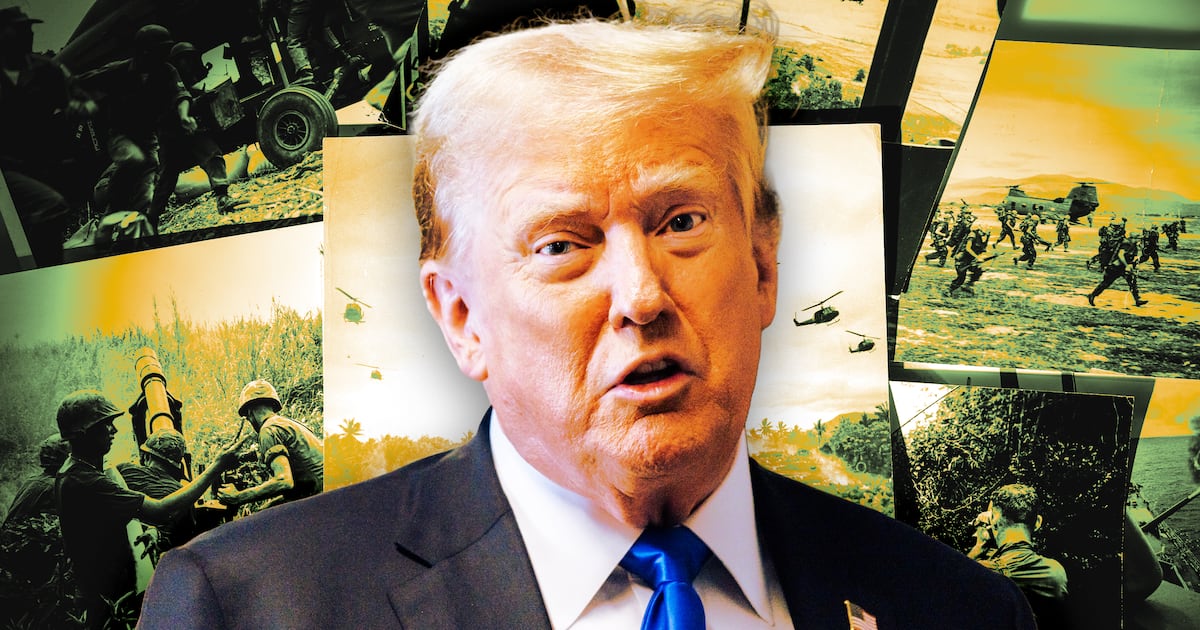
A Washington Post/ABC/Ipsos poll shows 61% of Americans say U.S. military action against Iran was a mistake, while 61% also believe it increases terrorism risk and 60% think it raises recession risk. The article highlights rising energy stress, with U.S. gas at $4.42/gallon and diesel at $5.56, amid stalled peace talks and continued Strait of Hormuz blockades. It also underscores political and legal uncertainty around the War Powers Act deadline and congressional approval.
The market takeaway is not just “higher geopolitical risk,” but a growing probability that policy constraint becomes the binding variable. When public opposition is this broad this early, the administration’s room to sustain a prolonged kinetic campaign narrows materially, raising the odds of either a negotiated off-ramp or a shift to symbolic escalation that leaves energy flows still vulnerable but avoids a full enlargement of the conflict.
The key second-order effect is on inflation expectations rather than headline oil alone. Gasoline at current levels is a direct tax on discretionary consumption, but the bigger hit is that consumers start to extrapolate higher transport and freight costs into near-term purchasing behavior, which can pressure travel, retail, and small-cap cyclicals before any recession data prints. That creates a lagged earnings risk window over the next 1-2 quarters even if spot crude retraces on diplomacy.
Defense is a more nuanced winner than the headline suggests. Near term, primes with missile defense, electronic warfare, and munitions exposure should benefit from replenishment demand, but the political blowback increases the probability of delayed authorization and lower visibility on follow-on orders. By contrast, companies leveraged to stable global trade flows, lower insurance costs, and Gulf shipping throughput face a higher risk premium that is not fully captured by equity moves if the Strait remains intermittently contested.
The consensus may be underestimating how quickly a de-escalation headline could unwind the current fear premium in energy and defense. If peace talks re-open meaningfully within days, not months, crude and refined products can give back a large portion of the recent move, while the political overhang on the administration remains even if markets normalize. The asymmetric setup is therefore not to chase the geopolitical shock itself, but to own optionality around the next headline while fading crowded directional exposure once diplomatic language improves.
AI-powered research, real-time alerts, and portfolio analytics for institutional investors.
Request DemoOverall Sentiment
strongly negative
Sentiment Score
-0.60
