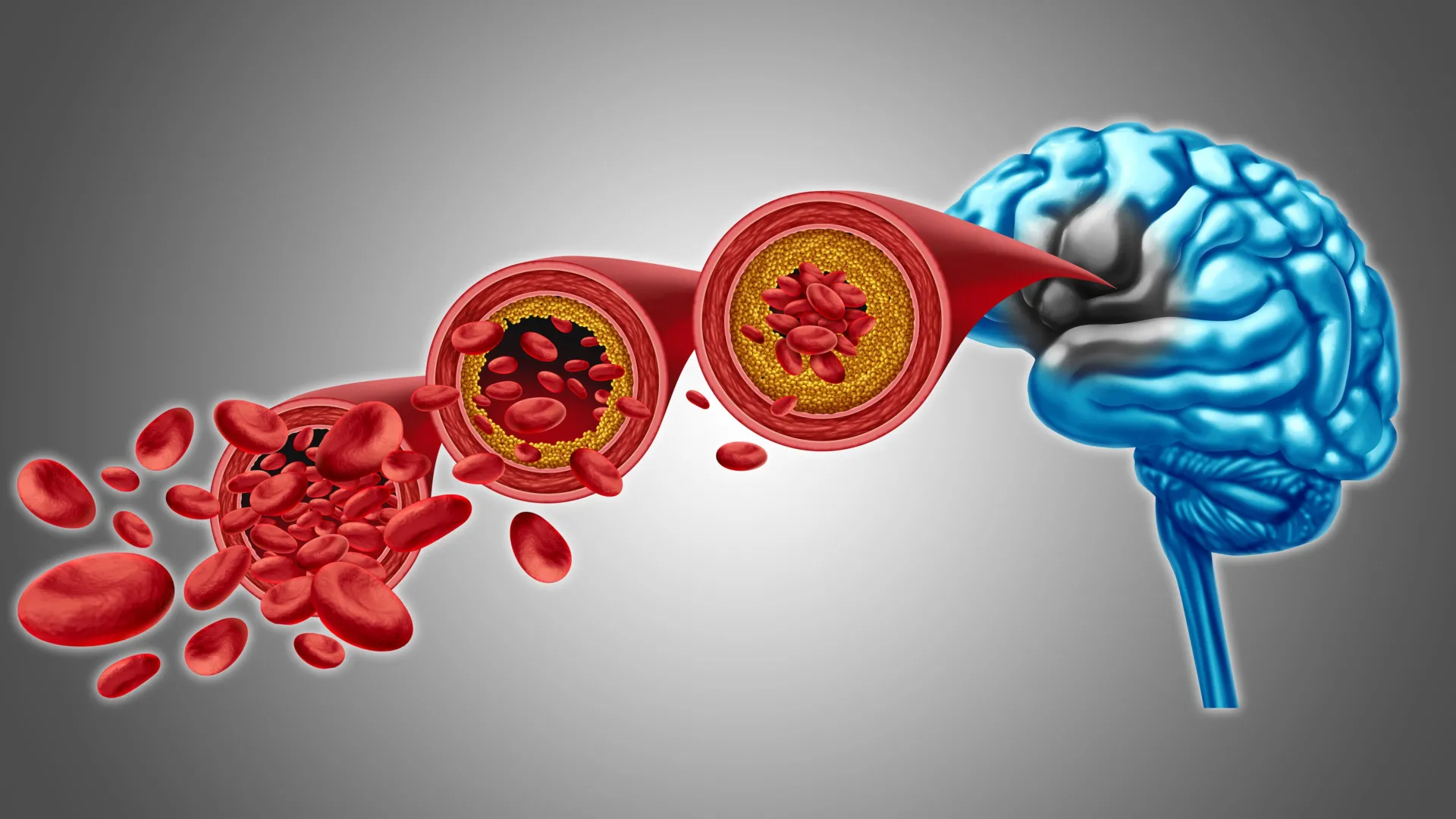
A University of Vermont preclinical study published in PNAS reports that restoring the phospholipid PIP2 normalizes overactive endothelial Piezo1 channels and restores cerebral blood flow in models, linking PIP2 loss to vascular dysfunction in dementia. While the result identifies a clear mechanistic target for potential neurovascular therapies and could steer future biotech R&D, the work is preclinical so near-term commercial or market effects are limited; implications are primarily for long-term pipeline development, licensing and M&A activity in dementia-focused biotech.
Market structure: A vascular mechanism for dementia shifts potential winners toward companies with neurovascular drug platforms, ion-channel modulators, lipid-delivery/formulation specialists and diagnostic imaging firms (GE, PHG). Near-term winners are CROs and early-stage biotech licensors; long-term losers include high‑valuation, single‑mechanism amyloid franchises (Biogen BIIB, Eisai partner exposure) and potentially some neurointerventional device makers (PEN, MDT) if an effective pharmacologic therapy reduces procedures.
Risk assessment: The study is preclinical — translation, blood‑brain barrier (BBB) delivery and safety of systemic PIP2 replacement are material tail risks; expect >70% probability of clinical failure or major setbacks before Phase II. Key hidden dependencies are durable target engagement, formulation/pharmacokinetics and IP ownership; regulatory/adverse‑event risk could produce binary moves ±30–60% in small biotech names over 12–36 months.
Trade implications: Tactical exposure favors diagnostic imaging (GE, PHG) and diversified biotech ETFs (XBI) for optionality on follow‑on programs; keep positions modest (1–3% portfolio) and use LEAPS or 9–18 month call spreads to control cost. Hedge device exposure via small short or put positions in Penumbra (PEN) and reallocate into acquirers (LLY, RHHBY) if major licensing deals emerge; catalysts to trade on are IND filings, patent grants and PNAS follow‑ups within 6–24 months.
Contrarian angles: Consensus may overreact by de‑risking amyloid exposure prematurely — PIP2 is one mechanism among many and could complement rather than replace existing therapies. Historical parallels (e.g., failed vascular hypotheses for dementia) counsel patience: wait for first human PK/PD and safety data (12–24 months) before committing >3% to name‑specific long positions; avoid binary bets until human proof of concept.
AI-powered research, real-time alerts, and portfolio analytics for institutional investors.
Request DemoOverall Sentiment
mildly positive
Sentiment Score
0.25
