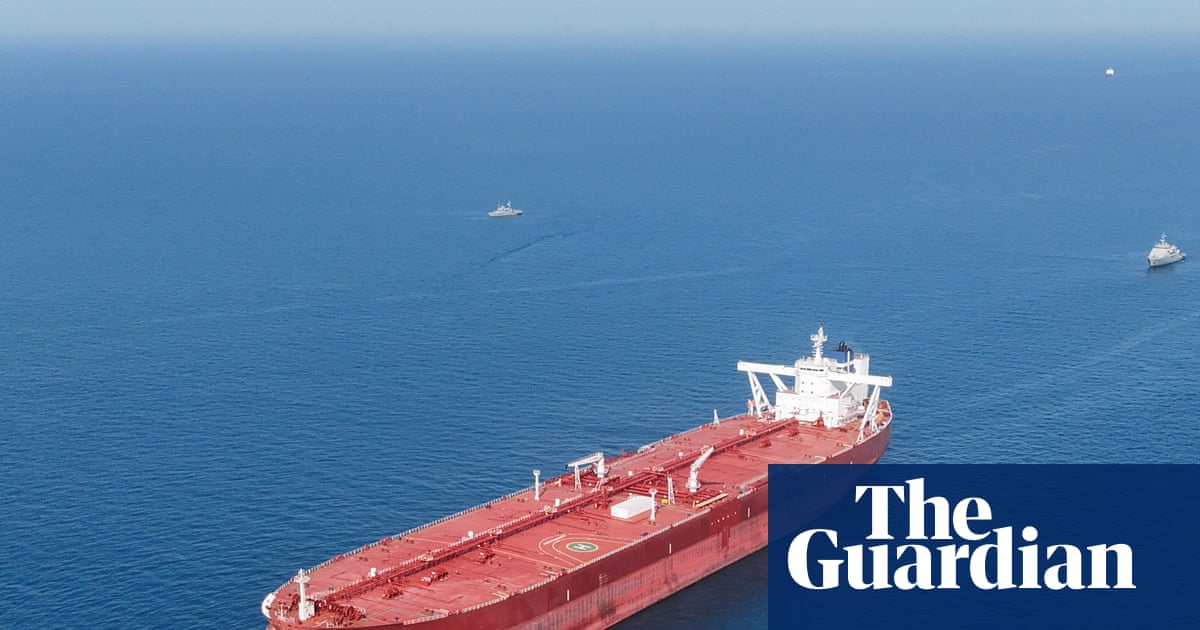
Iran’s proposed toll of up to $2m per tanker, or $1 per barrel, could add about $20m a day to oil-market costs and roughly $7bn a year based on pre-crisis flows. The article warns that prolonged disruption in the Strait of Hormuz could keep Brent near $100 a barrel for an extended period, with some forecasts calling for elevated prices into 2027. Beyond direct shipping fees, higher insurance, security and labor costs could further constrain Gulf crude flows and raise the risk of broader global economic disruption.
The market is underpricing the difference between a one-off geopolitical shock and a recurring toll on trade flow. A durable “managed transit” regime would not just tax barrels; it would raise the clearing price of every risk premium in the Gulf — freight, insurance, inventory carry, and hedging demand — and those costs compound nonlinearly when counterparties fear arbitrary denial of passage. That shifts bargaining power away from spot buyers and toward producers with optionality outside the region, while punishing refiners and traders that rely on just-in-time crude deliveries.
The second-order winner is not simply higher oil; it is logistics optionality. Producers with Atlantic Basin supply, pipeline exposure, or flexible export routes gain relative to Gulf exporters because they can arbitrage the security premium without paying it. Conversely, shipping and marine insurance names face a prolonged repricing cycle, as every successful transit under escort normalizes elevated war-risk premia and makes the new “base rate” sticky even if headline prices stabilize.
The key tail risk is that the market treats this as a temporary bottleneck, when the real issue is re-routing capital and physical flows around an untrusted corridor. That takes quarters, not days: even if volumes partially recover, inventories, charter rates, and term contracts will need to reprice to a world where transit rights are discretionary. If talks ease and passage becomes predictable, the oil spike can fade quickly; if not, the more dangerous upside is not Brent at $100, but persistent volatility that keeps consumers over-hedged and under-invested in supply.
The contrarian point is that the immediate macro hit may be smaller than headlines imply, because producers, refiners, and importers can absorb a lot of the toll before demand breaks. The bigger mispricing is in duration: investors may be too short the persistence of elevated transport costs and too long the assumption that diplomatic resolution restores the old equilibrium. That makes the trade less about outright long crude and more about owning assets that benefit from structural dislocation while fading exposed intermediaries.
AI-powered research, real-time alerts, and portfolio analytics for institutional investors.
Request DemoOverall Sentiment
strongly negative
Sentiment Score
-0.75
Ticker Sentiment
