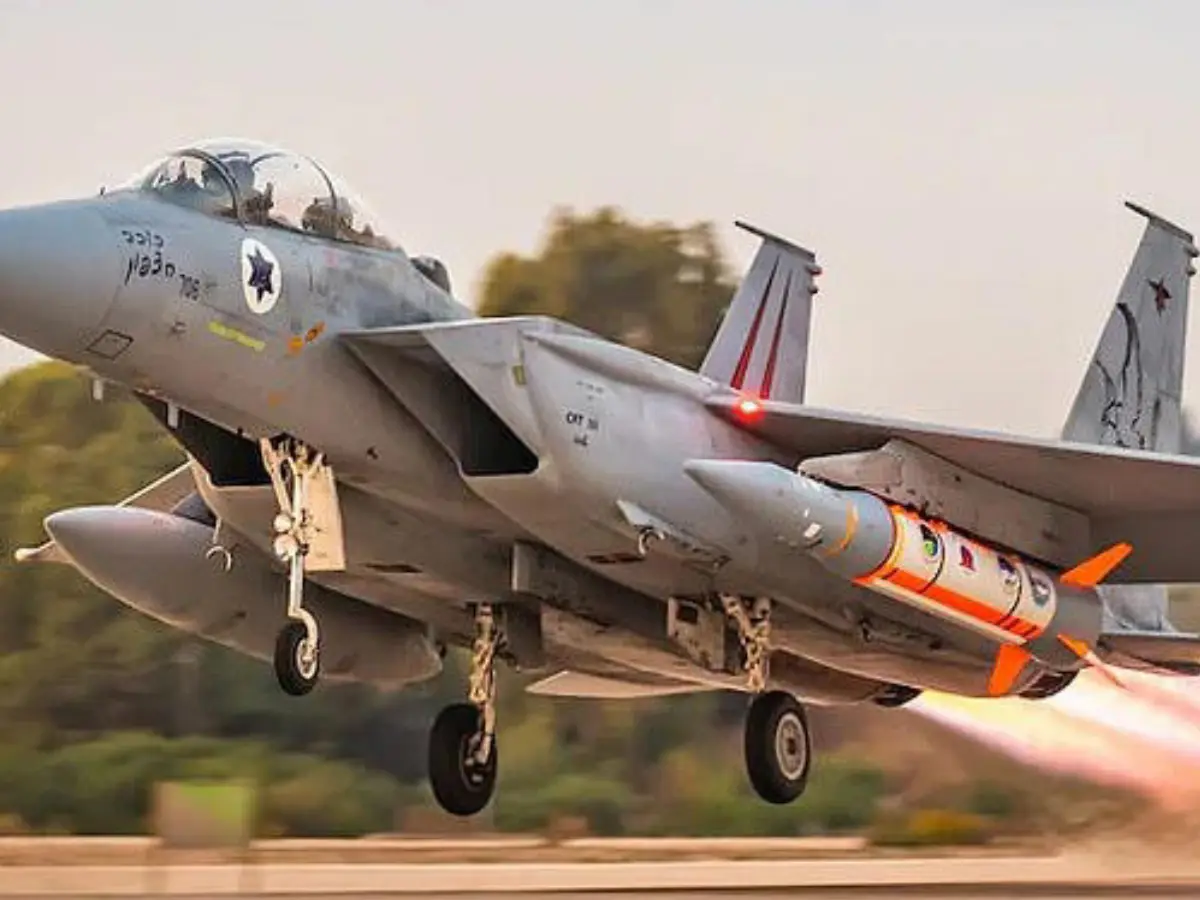
Israeli forces reportedly killed Iran’s Supreme Leader Ayatollah Ali Khamenei with a barrage of at least 30 missiles, including long-range Blue Sparrow air-to-surface weapons described as Israeli-made, ~1.9 tonnes and a ~1,240 mile range that climb to the edge of space before re‑entry. The operation was supported by intelligence attributed to Mossad (including hacked street cameras and deception operations) and also killed senior Iranian military figures Rear Admiral Ali Shamkhani and IRGC commander Maj. Gen. Mohammad Pakpour along with family members. If confirmed, the strike constitutes a major regional escalation with clear implications for geopolitical risk premia, potential disruptions to energy markets and heightened volatility across risk assets.
Market structure: Immediate winners are defense primes and missile/sensor suppliers (expected backlog expansion), leading exporters of long-range strike tech and cybersecurity providers; direct losers are regional energy producers in Iran, airlines/cruise operators, shipping insurers and EM local-currency sovereigns. Expect pricing power to shift toward prime contractors (LMT/NOC/RTX) with potential 5–15% revenue re-rating over 6–12 months if governments fast-track procurement; lead times and specialized component shortages (RF sensors, high-temp alloys) will keep supply tight and margins protected.
Risk assessment: Tail risks include broader Gulf escalation (low-prob ~10% but GDP-impact high) causing Brent to jump >$30 and global PMI contraction, or cyber retaliation hitting financial plumbing; contagion to EU energy markets is medium-term. Immediate timeframe (days): volatility, FX moves, insurance spikes; short-term (weeks–months): defense orders and sanctions; long-term (quarters+): restructured supply chains and higher baseline defense spending — watch shipping insurance premium indices and chip supply KPIs as hidden dependencies.
Trade implications: Tactical plays favor defense longs and energy volatility hedges while hedging equity exposure with volatility instruments. Use concentrated option structures (6–12 month call spreads on primes) and short-duration safe-haven bonds for capital preservation; consider pair trades (defense vs airlines) and commodity directional if Brent breaches $85–90 in next 30 days.
Contrarian angles: Consensus will likely overpay for perpetual risk — historical parallels (1991 Gulf War) show oil and risk premia spike then mean-revert within 3–6 months. Opportunity to fade post-spike energy positions with disciplined mean-reversion triggers (e.g., Brent back below $80 for 10 trading days) and to avoid one-way overweights to small-cap domestic defense suppliers that depend on sanctioned supply chains.
AI-powered research, real-time alerts, and portfolio analytics for institutional investors.
Request TrialOverall Sentiment
strongly negative
Sentiment Score
-0.70
