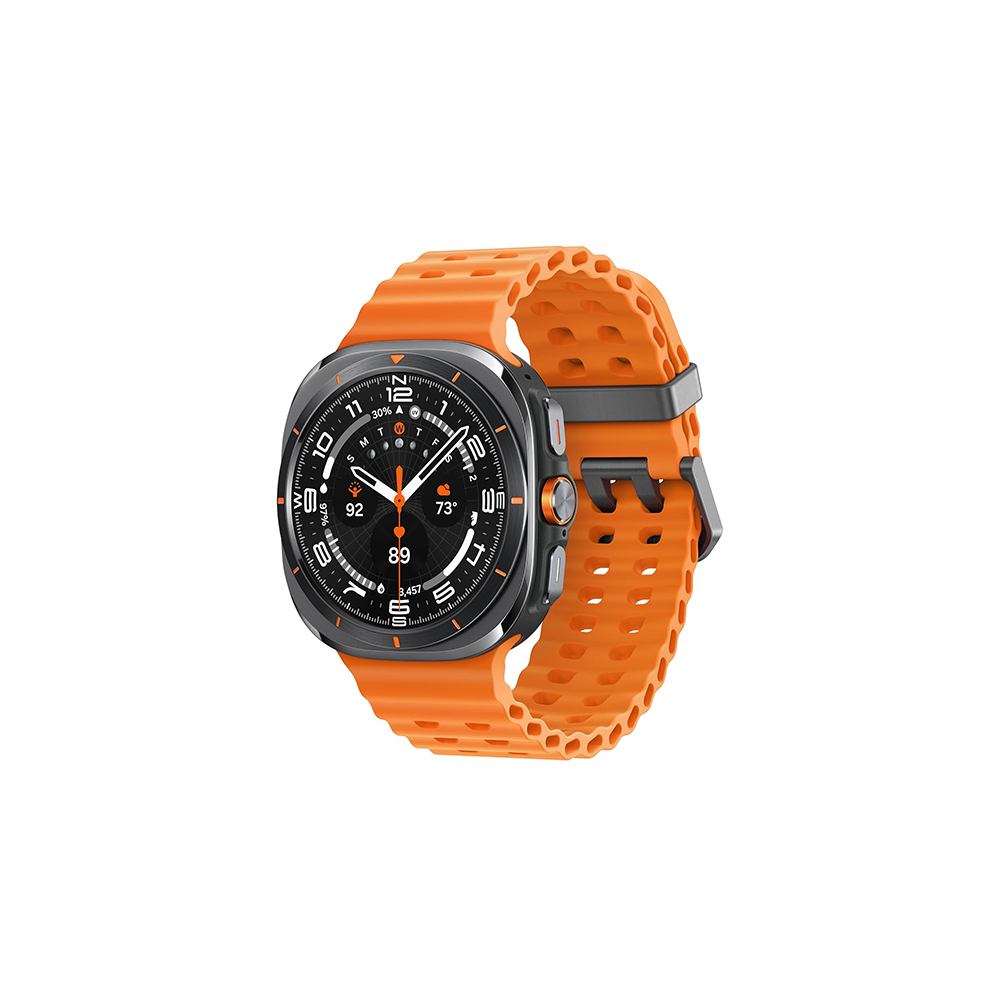
Woot! is offering the Samsung Galaxy Watch Ultra (2025) international model for $329.99, a $320 reduction from the $649.99 retail price (and below the $349.99 MSRP of the entry-level Galaxy Watch 8), limited to two units per customer and covered by Woot!’s 90-day warranty rather than Samsung’s manufacturer warranty. The high-end smartwatch features a 1.5-inch 480x480 display with up to 3,000 nits brightness, GPS, cellular support, heart-rate and sleep monitoring, temperature readings, SOS, ~3-day battery life, and rugged IP68/10 ATM/MIL-STD-810H ratings. The deal is likely to stimulate consumer demand among Android users given the steep discount, though the international model and limited warranty constrain upside and the story has minimal market-moving implications for investors.
Market structure: Deep-discounting of a flagship Samsung watch via Amazon/Woot is a direct win for AMZN (marketplace traffic, transaction fees, ad impressions) and for end consumers; it pressures Samsung’s ASPs and compresses margin mix for branded wearables in the near term. Competitive dynamics favor platforms that can host aggressive clearance (AMZN) over proprietary channels; Apple (AAPL) faces limited share pressure because iOS lock-in dampens one-for-one substitution, but premium wearables pricing power is tested. The 50%+ discount signals either inventory build or demand softness for high-end Android wearables; expect a 4–12 week window of elevated promotional activity as OEMs clear channels.
Risk assessment: Tail risks include higher-than-expected return/warranty claims from international units sold (operational hit to Woot/AMZN customer economics) and regulatory scrutiny if marketplace discounts are used anti-competitively; low-probability but high-impact. Immediate (days) effects: traffic and incremental sales for AMZN; short-term (weeks/months): margin compression for OEMs and higher ad monetization for AMZN; long-term (quarters) depends on replacement cycles and whether discounts normalize. Hidden dependency: promotional lift converts to higher ad revenue and logistics usage, so AMZN’s service margins may improve even as gross margins on goods fall.
Trade implications: Favor tactical, size-constrained long exposure to AMZN and defensive trimming of pure-play wearable/component suppliers. Specific instruments: short-duration AMZN call spreads to capture promotional cadence and modest AAPL downside hedges if sell-through data prints weak. Entry/exit: act within 1–3 weeks while promos persist; horizon 1–3 months, with stop-losses and profit-take thresholds tied to share moves or sell-through data releases.
AI-powered research, real-time alerts, and portfolio analytics for institutional investors.
Request DemoOverall Sentiment
moderately positive
Sentiment Score
0.45
Ticker Sentiment
Contrarian angles: The market underrates AMZN’s ability to monetize clearance through advertising and logistics — promotional volume can lift higher-margin services, making a margin-compression narrative incomplete. Conversely, consensus may underappreciate warranty/return costs from international units (if returns >8–10% this becomes a material hit). Historical parallels: past flagship discounts (e.g., prior Galaxy/Pixel cycles) produced short-term volume spikes but OEM margin erosion; the asymmetric edge is picking AMZN exposure tied to services rather than device economics.
