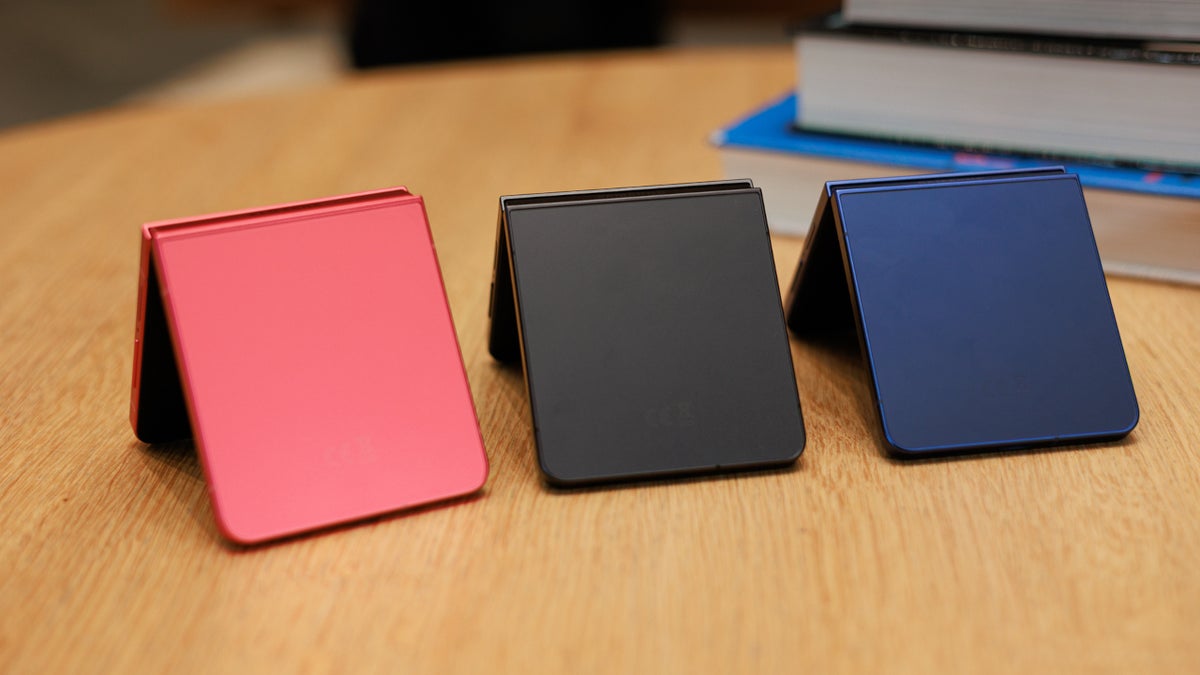
Samsung is reportedly considering a dual-chip strategy for the Galaxy Z Flip 8, using Exynos 2600 in most markets and Snapdragon 8 Elite Gen 5 in the U.S., Canada, Japan, and China. The move is intended to cut handset costs after Samsung LSI raised Exynos 2600 pricing to $270 per unit, while Qualcomm lowered Snapdragon 8 Elite Gen 5 pricing to $230. The article suggests Samsung could save money versus a single-chip approach, with the Exynos 2600 also notable as the first 2nm smartphone chip.
The important read-through is that Samsung is no longer treating Exynos as a prestige project; it is being priced like a sourcing lever. That matters because if Samsung can force Qualcomm to discount aggressively just to defend sockets, the bargaining power shifts from the chipset vendor to the handset OEM, which usually shows up first in GM trends rather than headline unit growth. The near-term beneficiary is Samsung’s gross margin profile, but the more durable signal is that a credible in-house alternative is finally constraining Qualcomm’s pricing power on premium Android.
For QCOM, the issue is not a one-off lost design win; it is that the reference price for flagship mobile silicon may be resetting lower as OEMs realize they have an outside option with improving performance. Even if Qualcomm keeps most of the best U.S./Japan sockets, the mix outcome gets less valuable if global ASPs are under pressure. The second-order effect is broader: Android OEMs may be emboldened to demand concessions across adjacent categories, especially when handset growth is stagnant and component inflation has to be absorbed somewhere.
The contrarian view is that investors may be overestimating how much this hurts Qualcomm near term and underestimating execution risk at Samsung. Exynos can be cost-competitive in theory, but any thermal or yield stumble quickly reintroduces Qualcomm as the premium insurance policy, which caps how far pricing can fall. The cleaner trade is not a directional collapse in QCOM, but a modest multiple compression until there is evidence that Samsung’s in-house silicon can sustain volume without quality regressions over multiple device cycles.
AI-powered research, real-time alerts, and portfolio analytics for institutional investors.
Request DemoOverall Sentiment
mildly positive
Sentiment Score
0.15
Ticker Sentiment
