Snipp Interactive reported Q4 2025 revenue of $5.0 million, down 25% year over year, while gross margin improved to 65% and full-year revenue fell 3% to $22.0 million. EBITDA remained negative at $0.8 million for fiscal 2025, but bookings backlog rose to $18.26 million from $17.7 million and management outlined 2026 cost cuts targeting EBITDA improvement. The company emphasized its shift toward a higher-margin, AI-powered SaaS model and highlighted several new multi-year contracts and a CAD 4.5 million financing that supports liquidity.
The real signal here is not the headline revenue compression; it is that Snipp is trying to convert a cyclical campaign business into a contracted data/verification layer. That matters because the mix shift improves the path to durable gross margin, but it also increases dependence on a smaller set of enterprise customers and raises execution risk around implementation timing. If the backlog keeps moving from “signed” to “recognized” only with a lag, the market may keep underestimating the earnings power until a single quarter shows operating leverage.
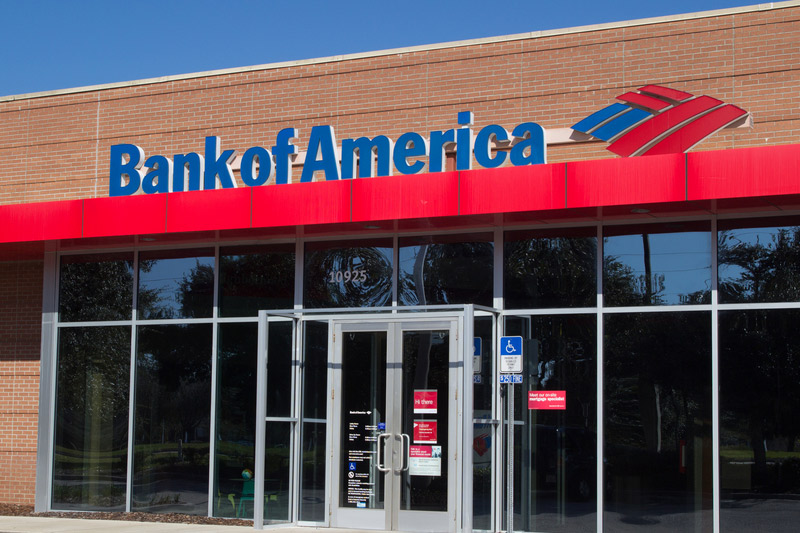
Second-order benefit accrues to payment rails, banking media, and large CPG ecosystems that need first-party purchase data but do not want to build verification infrastructure themselves. The Bank of America distribution angle is more important than it looks: if re-platforming completes cleanly, Snipp effectively gets a second chance to prove that its product can sit inside a large, regulated customer workflow and scale beyond one-off promotions. Conversely, if the relaunch slips again, it will reinforce the bear case that the company is better at narrative than monetization.
The key risk is liquidity and time horizon mismatch. The company is promising EBITDA improvement in 2026, but the catalyst stack is back-end weighted; in the next 1-2 quarters, investors may mostly see cost actions before they see revenue re-acceleration. That creates a setup where the stock can drift or even weaken on “good” results if the market wants proof of conversion faster than management can deliver it. The contrarian view is that consensus may be overfocusing on near-term top-line softness and underappreciating that a few multi-year renewals can re-rate the business once the market starts capitalizing recurring revenue instead of campaign revenue.
AI-powered research, real-time alerts, and portfolio analytics for institutional investors.
Request DemoOverall Sentiment
neutral
Sentiment Score
0.05
Ticker Sentiment
