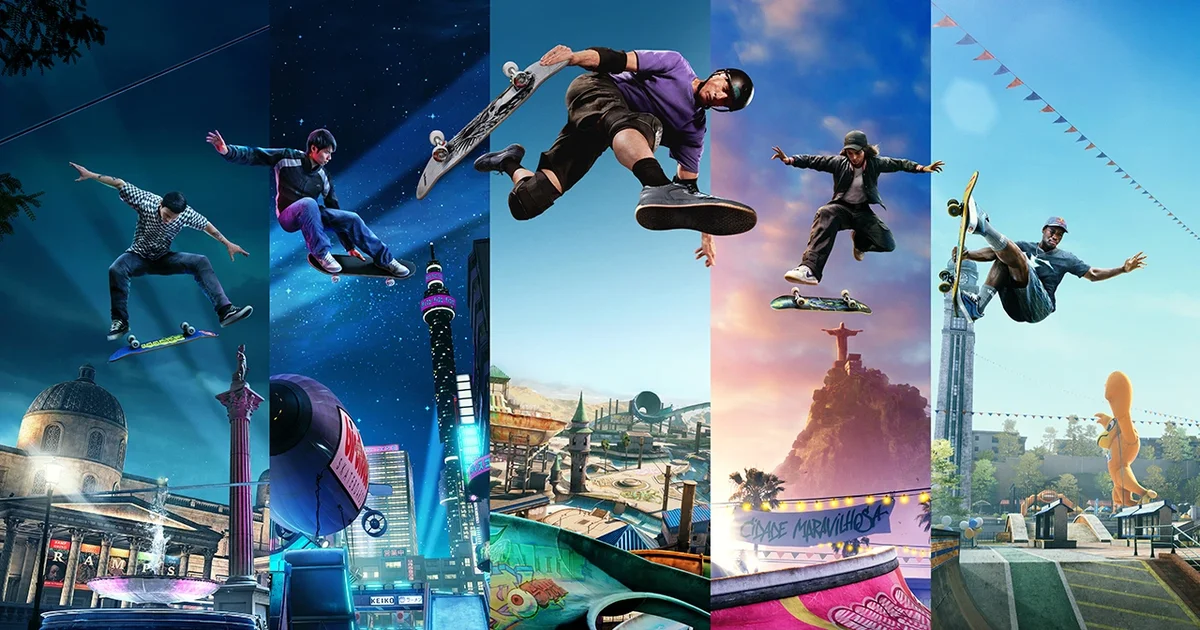
Iron Galaxy Studios is laying off an unknown number of staff as it says the company can no longer sustain its current team size, even after cutting 66 roles last February. Management described the move as a response to permanently changed market conditions in video games and said publishers are applying different investment criteria. The news underscores ongoing restructuring pressures in the gaming sector and follows Adam Boyes' departure as co-CEO last August.
This is less about one studio and more about a still-unfixed capacity reset across mid-tier game development. The second-order effect is that publishers will increasingly demand variable-cost production models, which favors large outsourcing platforms, co-dev shops, and middleware vendors over “full-stack” studios carrying fixed payroll. In other words, the market is re-pricing execution risk: teams without recurring franchise economics or balance-sheet sponsorship will keep shrinking even if title quality is intact.
For competitors, the obvious winners are the scaled service providers and engine/ecosystem names that absorb displaced talent and budget share, while smaller independent studios face tighter financing and longer payback windows. Layoffs also create a hidden supply-side benefit for surviving studios in the near term—wage inflation and contractor rates should cool over the next 2-3 quarters—but that comes at the cost of slower content throughput and higher operational fragility. The bigger concern is that publishers may defer greenlights, extending the drought in new IP and reducing the pipeline of mid-budget releases into 2025.
The catalyst path is mostly negative over months, not days: more restructurings, slower hiring, and increased project cancellations as the industry settles into a lower equilibrium headcount. What would reverse the trend is a visible improvement in console/PC engagement metrics or a re-opening of publisher risk budgets, but that likely requires a stronger consumer backdrop than we have now. The contrarian read is that layoffs may be a lagging indicator rather than a fresh shock, meaning the equity impact is already partly absorbed for the most diversified public names; the better short thesis is not “games are dying,” but “fixed-cost development is being structurally repriced.”
The cleanest trade is long the picks-and-shovels beneficiaries versus short the most exposed public content creators with thin release pipelines. The asymmetry sits in a 6-12 month window: if publisher caution persists, the service layer captures share while standalone studios keep compressing. Near term, any bounce in gaming equities on headline-driven relief should fade unless management teams can show bookings acceleration or capital return discipline.
AI-powered research, real-time alerts, and portfolio analytics for institutional investors.
Request DemoOverall Sentiment
strongly negative
Sentiment Score
-0.62
