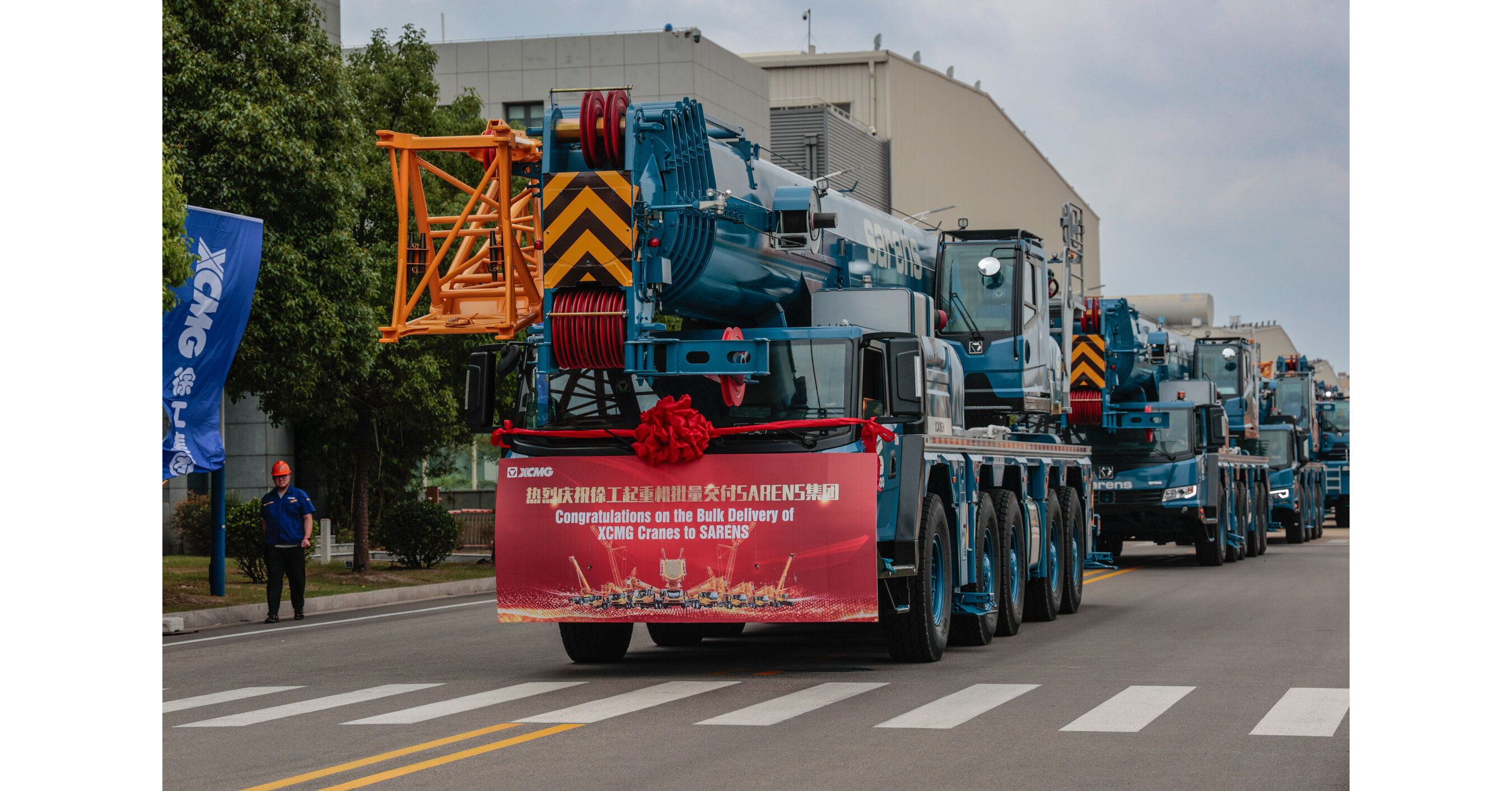
XCMG delivered a complete crane fleet to Sarens Group in Belgium, including XCA160H all-terrain cranes, XCR90 rough terrain cranes, and the XLC18000M crawler crane, following a March 2026 bulk purchase contract and joint R&D agreement. Management highlights the XLC18000M’s fit for large-scale wind, petrochemical, and bridge work plus wind-farm deployment for complementary models, positioning the deal around higher-capacity, quicker-mobilization lifting solutions. The announcement signals traction in premium heavy-lift rentals and green energy-linked infrastructure, but without disclosed financial terms likely to limit near-term stock impact.
This is less about one equipment shipment and more about a reference-account breakthrough in a market where trust, uptime, and service density matter more than sticker price. If a major rental platform is standardizing on a Chinese OEM, the second-order effect is not just share gain for the supplier; it is a widening of the acceptable procurement set for high-spec lifting gear in wind and infrastructure, which can pressure incumbent pricing and extend replacement cycles across the segment.
The real economic lever is aftermarket pull-through. Once an OEM is embedded in a fleet, spares, operator training, telematics, and field service become sticky, so initial hardware wins can translate into higher-margin recurring revenue over 12-18 months. That said, the near-term financial impact is likely modest because this looks more like credibility-building than a material backlog event; the market should not extrapolate one marquee customer into a step-function revenue inflection without evidence of repeat orders.
The contrarian risk is that the opportunity is being overread as a structural European win when it may still be a project-by-project decision, especially if procurement, certification, or geopolitical scrutiny slows adoption of Chinese capital goods. The key falsifier is absence of follow-on awards or local service footprint expansion over the next 1-3 quarters, or any reliability incident that forces Sarens to rebalance back toward incumbent Western suppliers. For wind developers and EPCs, the practical upside is better crane availability and potentially lower mobilization costs, which can modestly reduce schedule risk on large projects.
AI-powered research, real-time alerts, and portfolio analytics for institutional investors.
Request DemoOverall Sentiment
mildly positive
Sentiment Score
0.15
Ticker Sentiment
