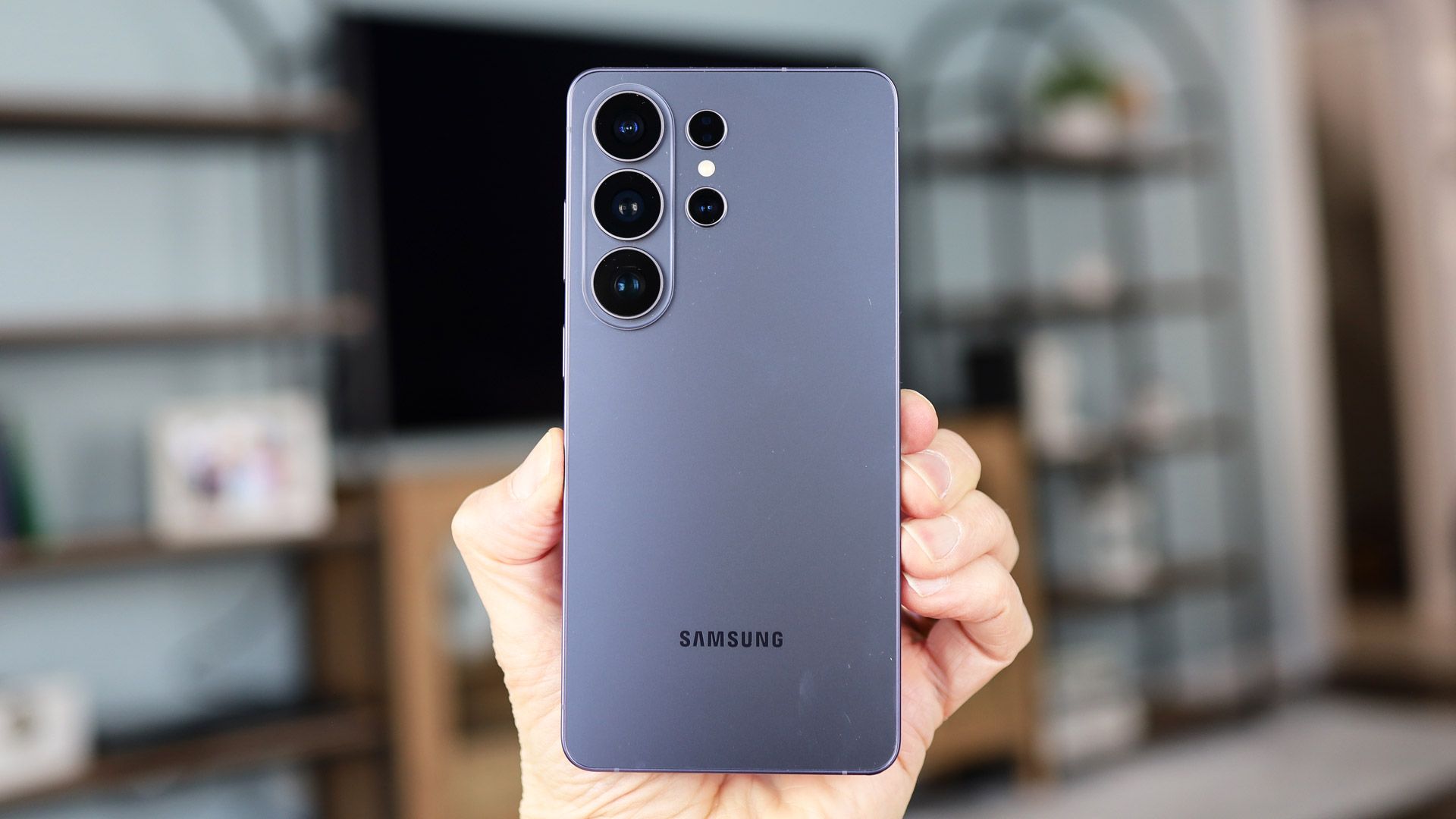
Samsung is reportedly considering a redesign of the Galaxy rear camera layout, potentially to make room for built-in Qi2 magnets and MagSafe-style wireless charging. The change is speculative and not expected before the Galaxy S27 series at the earliest, likely in early 2027. The article outlines four possible camera-module shapes, but provides no confirmed product decision or financial impact.
This is less a product-aesthetic story than a platform-adjacency story: if Samsung bakes magnets into the chassis, it shifts the value pool toward accessory ecosystems, wireless charging silicon, and thermal/power-management suppliers rather than the handset BOM itself. The second-order effect is that Samsung can reduce friction versus iPhone in mixed-ecosystem households, where charger, stand, wallet, and car-mount compatibility increasingly drives replacement decisions at the margin. That matters most in mature markets, where unit growth is flat and attachment-rate monetization can move ASPs more than handset features do.
The real optionality is not the camera layout; it is the implied hardware architecture reset. A magnet stack competes for internal space, so any redesign likely forces tradeoffs in battery shape, antenna placement, and camera module depth, creating a multi-year supplier requalification cycle. That tends to favor incumbents with design-win persistence and penalize suppliers tied to legacy layouts if Samsung decides to standardize across the S line and later foldables.
The catalyst horizon is long: nothing here is tradable on days or weeks, but it can matter over 12-24 months if it signals a broader move toward Qi2-style magnetic accessories across Android flagships. The main risk to the thesis is execution: if Samsung launches a magnet-enabled phone with weak accessory adoption or worse charging ergonomics, the feature becomes a check-the-box spec rather than a demand driver. Another reversal risk is Google/OEM fragmentation; if Android accessories remain non-standardized, the ecosystem benefit stays capped and Apple keeps the lock-in advantage.
Consensus is probably underestimating how much of smartphone differentiation has migrated from core hardware to attachable ecosystems. A modest design tweak that improves dock/charger alignment can create meaningful aftermarket share capture for case makers, car mounts, charging pads, and power banks. The underappreciated winner is the broader accessory supply chain if Samsung normalizes case-free magnetic charging in premium Android, because attach rates can inflect faster than handset replacement cycles.
AI-powered research, real-time alerts, and portfolio analytics for institutional investors.
Request DemoOverall Sentiment
neutral
Sentiment Score
0.10
