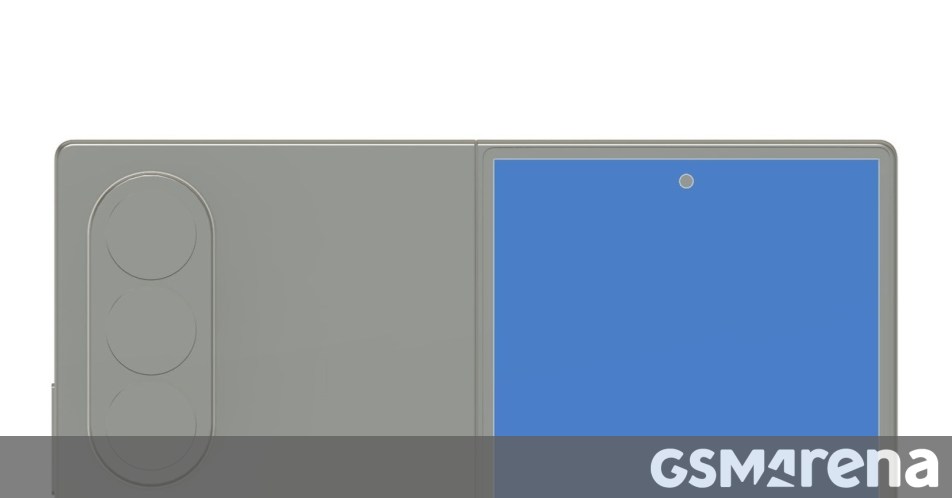
Samsung Galaxy Z Fold8 is rumored to shrink its front camera cutout to 2.5mm from 3.7mm on the Fold7, suggesting a new display technology that reduces the punch hole size. The foldable is also rumored to be slightly thicker, at 4.5mm unfolded and 9mm folded versus 4.2mm and 8.9mm for the Fold7. The article is largely a product-spec rumor update, with no confirmed launch or pricing change.
A smaller front-camera aperture is not a cosmetic footnote; it signals Samsung is likely improving the optics stack without sacrificing cover-display usable area. That matters because foldables are still won or lost on perceived refinement, and any reduction in visual intrusion helps broaden the addressable base beyond early adopters who already tolerate compromises. The second-order winner is the ecosystem of precision display, camera-module, and advanced packaging suppliers that can deliver tighter tolerances and higher yields, while lower-end Android foldable makers face a tougher comparison set on industrial design.
The bigger implication is competitive: if Samsung can shrink the punch hole while nudging device thickness only modestly, it preserves its premium positioning versus Chinese foldables that often compete on specs but not polish. This is a classic “good enough hardware, better execution” dynamic that can defend ASPs even if unit growth stays mid-teens rather than exploding. The risk is that consumers may not pay meaningfully more for a smaller hole unless the camera quality and crease performance also improve; if the camera remains merely adequate, the change may be absorbed as an incremental UX tweak with little demand elasticity.
Catalyst timing is mostly months, not days, because the market will trade the launch cycle and reviewer sentiment more than the rumor itself. The setup becomes more interesting if Samsung pairs the smaller cutout with under-display image processing gains or a materially better ultrawide camera, which would justify a higher replacement-rate narrative among current Fold owners. The contrarian view is that foldable adoption is still constrained by software utility and battery/weight tradeoffs, so cosmetic refinement alone may not expand the TAM enough to move the equity story for Samsung or its component suppliers.
AI-powered research, real-time alerts, and portfolio analytics for institutional investors.
Request TrialOverall Sentiment
neutral
Sentiment Score
0.10
