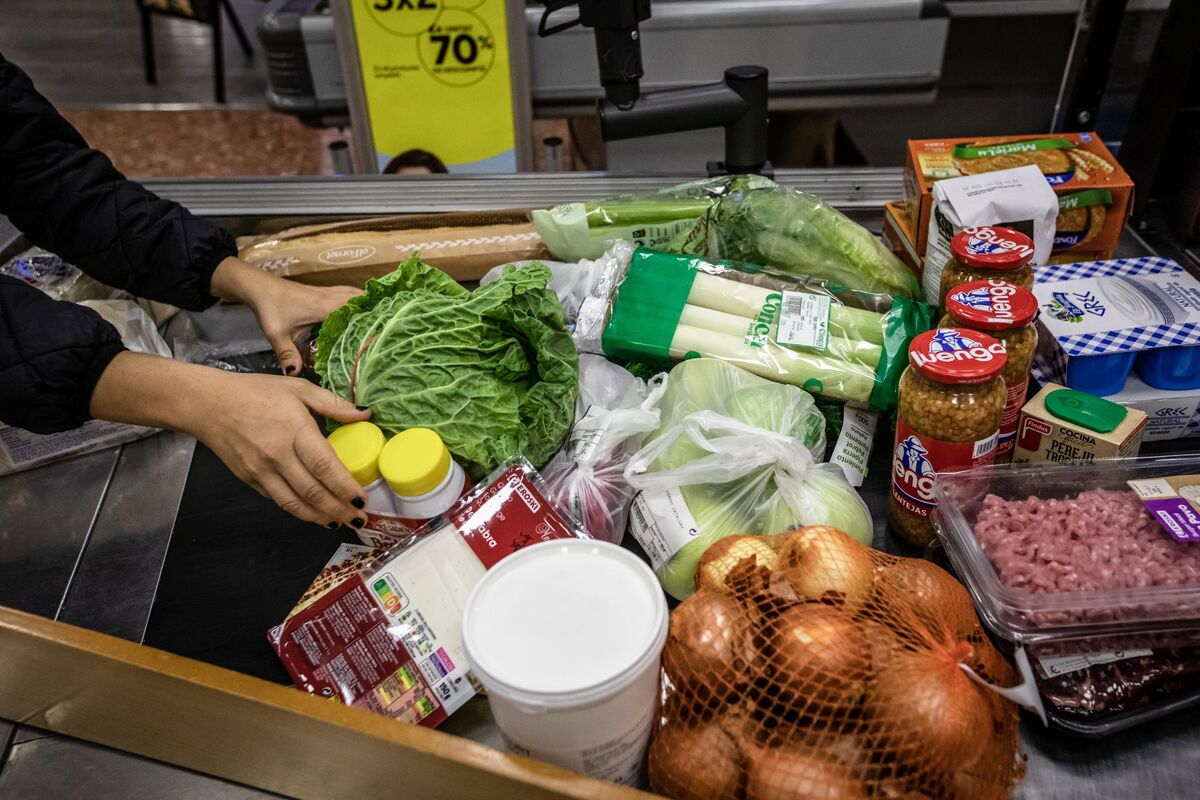
New research from the Barcelona Supercomputing Center and the European Central Bank directly links extreme weather events, intensified by climate change, to significant and potentially lasting global food price inflation. Analyzing 16 events between 2022 and 2024, the study, published in Environmental Research Letters, attributes substantial price spikes, including 300% for Australian lettuce and 50% for European olive oil, to these unprecedented weather patterns. This analysis suggests persistent upward pressure on agricultural commodities like coffee and beef, indicating a structural component to rising grocery bills.
A new study by the Barcelona Supercomputing Center and the European Central Bank provides quantitative evidence linking extreme weather events to significant, and in some cases lasting, food price inflation. The research, which analyzed 16 global weather events between 2022 and 2024, directly attributes recent price surges—such as a 300% spike in Australian lettuce and a 50% rise for European olive oil—to unprecedented climate-related phenomena. This establishes a tangible connection between climate change and direct economic costs for consumers. Critically, the findings suggest that while some price effects are temporary, others, particularly for commodities like coffee and beef, represent a structural upward pressure on prices. This shifts the narrative from viewing weather-related price shocks as transient events to understanding them as a persistent feature of a changing climate, carrying significant implications for long-term inflation forecasts and supply chain stability in the agricultural sector.
AI-powered research, real-time alerts, and portfolio analytics for institutional investors.
Request DemoOverall Sentiment
strongly negative
Sentiment Score
-0.70
