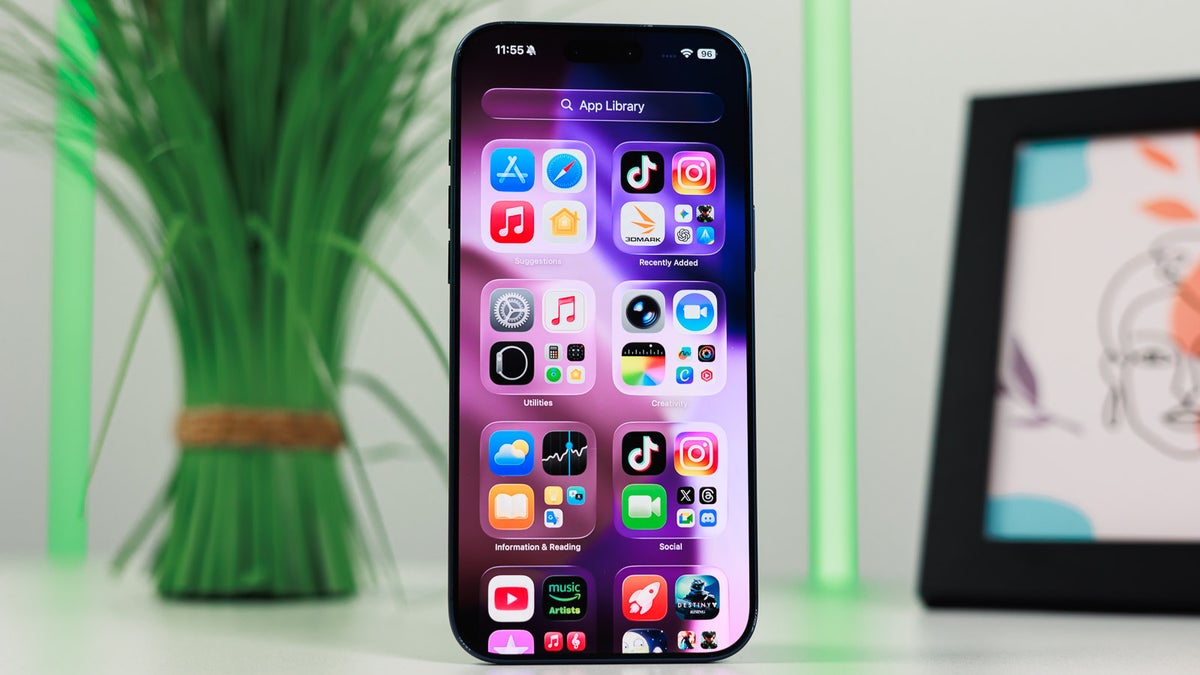
Apple’s future iPhone memory costs could reach nearly 45% of a device’s value by 2027, versus a historical 10%-15% share of smartphone manufacturing costs. The article attributes the spike to AI data-center demand and a severe memory shortage, with prices surging and suppliers tightening stock. Apple may absorb some of the cost rather than fully pass it on to consumers, potentially protecting market share if competitors are more constrained.
This is less an Apple story than a margin-transfer story across the handset ecosystem. If DRAM/NAND remain tight into the 2026–27 upgrade cycle, the near-term winners are the memory suppliers with pricing power and the foundry/OSAT ecosystem that can keep utilization high; the losers are Android OEMs with weaker balance sheets and less brand elasticity, where even a few dollars of bill-of-materials inflation can force either spec cuts or ASP hikes that accelerate share loss. Apple is unusual because it can temporarily choose to compress gross margin to preserve unit share, but that only works if the supply shock is broad-based and not offset by product mix deterioration or currency weakness.
The second-order effect that matters for AAPL is not the headline component cost, but elasticity at the margin: if Apple holds pricing while competitors raise prices, it can widen relative affordability in premium tiers and pull forward upgraders. However, the more likely medium-term outcome is a slower gross margin glide path, especially if the company is forced to pre-buy memory inventory at peak pricing; that creates a lagging earnings headwind even if end-customer pricing stays flat. In other words, the stock can de-rate on cost uncertainty before actual unit demand weakens.
The market may be underestimating how quickly the cycle can reverse once AI capacity additions catch up, because memory supply responds with a lag but also tends to overshoot on the way back down. That makes this a 6–18 month tactical trade, not a secular impairment case. The key risk to the bear thesis is that Apple’s scale lets it lock supply and outlast smaller OEMs, turning a cost shock into market-share consolidation rather than a demand collapse.
Contrarian view: consensus is treating this as uniformly negative for Apple, but the more durable short is actually on lower-quality handset competitors whose pricing power is weaker and whose inventory turns will suffer first. Apple’s multiple may compress on margin fear, yet its relative EPS resilience could improve versus peers once the market realizes the supply shock is a competitive filter, not just an input-cost problem.
AI-powered research, real-time alerts, and portfolio analytics for institutional investors.
Request DemoOverall Sentiment
moderately negative
Sentiment Score
-0.35
Ticker Sentiment
