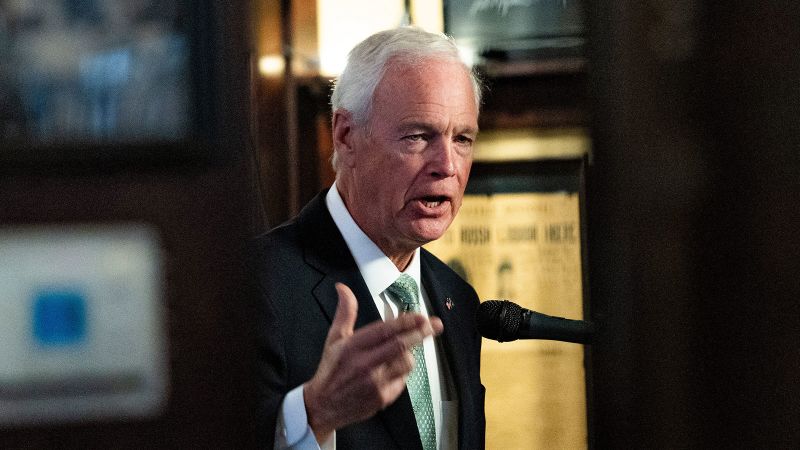
Several key Senate Republicans are expressing resistance to President Trump's tax and spending bill, jeopardizing the GOP's goal of passing it by July 4th. Senator Ron Johnson opposes the bill due to insufficient spending controls, while Senators Hawley and Collins raised concerns about the proposed changes to the provider tax impacting Medicaid funding. With Senate Majority Leader Thune able to afford only three GOP defections, securing passage of the bill faces a challenging path amidst differing priorities among Republican senators.
Significant internal resistance from key Senate Republicans is jeopardizing the passage of President Trump's proposed tax and spending package by the party's July 4th deadline. Senator Ron Johnson has voiced explicit opposition, arguing the bill inadequately addresses US spending controls and stating there's "no way" it can be rectified by the target date. Additional concerns have been raised by Senators Josh Hawley and Susan Collins regarding a provision cracking down on the provider tax, which supports state Medicaid programs; Hawley described this as a "major departure from the House framework" that took him "completely off-guard." Other Republican senators, including Rick Scott, who seeks further Medicaid reforms, and Bill Cassidy, who is still reviewing the measure, remain noncommittal. This dissent poses a considerable challenge for Senate Majority Leader John Thune, who can only afford to lose three GOP votes on the final bill. The leadership faces a delicate balancing act to satisfy conservative demands for spending cuts without alienating members opposed to reductions in areas like Medicaid. The push for this legislation, which includes tax breaks, spending cuts, and additional military funding, occurs as the administration seeks a domestic policy victory. The prevailing 'moderately negative' sentiment, 'uncertain' tone, and a market impact score of 0.6 underscore the potential for market sensitivity to the bill's legislative trajectory and its implications for fiscal policy, taxation, and healthcare funding.
AI-powered research, real-time alerts, and portfolio analytics for institutional investors.
Overall Sentiment
moderately negative
Sentiment Score
-0.50
