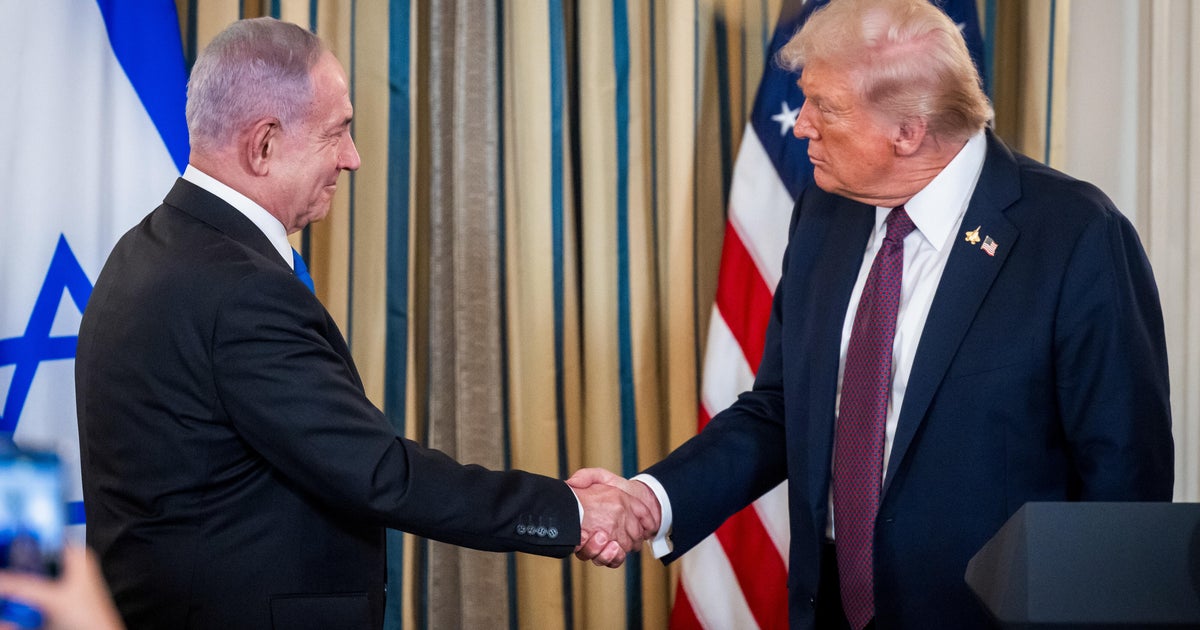
A recent timeline details the complex U.S.-led negotiations that culminated in a ceasefire deal between Israel and Hamas, marking the first phase of President Trump's peace plan. This initial agreement mandates Israeli troop withdrawal, Hamas's release of Israeli hostages, Israel's release of Palestinian prisoners, and humanitarian aid delivery to Gaza. A pivotal moment in the diplomatic process was Israeli Prime Minister Netanyahu's apology to Qatar for an earlier airstrike, which significantly fostered trust and facilitated breakthroughs. While the deal outlines a phased approach towards a more permanent ceasefire and broader regional stability, its successful implementation remains critical for de-escalating geopolitical tensions in the Middle East, a key factor for global market stability and commodity price outlooks for institutional investors.
The recently enacted Israel-Hamas ceasefire, initiating phase one of President Trump's peace plan, marks a significant de-escalation in regional tensions. This initial agreement facilitates the withdrawal of Israeli troops, the exchange of Israeli hostages for Palestinian prisoners, and the delivery of humanitarian aid to Gaza. The successful implementation of this phase is crucial for establishing a foundation for broader stability. A pivotal moment in the complex negotiations was Israeli Prime Minister Netanyahu's apology to Qatar for an earlier airstrike, which senior U.S. officials noted as fostering trust and providing critical leverage. President Trump's direct, non-neutral approach, characterized by his strong support for Israel, was instrumental in building confidence among parties. This diplomatic breakthrough underscores the importance of high-level engagement in resolving entrenched geopolitical conflicts. While the deal outlines a phased approach towards a more permanent ceasefire and broader regional stability, including discussions on arms decommissioning and Gaza's governance, significant implementation risks remain. U.S. officials acknowledge that "there's still just a lot of ways that this can go wrong," necessitating continuous oversight. The outcome of these subsequent phases will heavily influence long-term geopolitical stability, global market conditions, and commodity price trends.
AI-powered research, real-time alerts, and portfolio analytics for institutional investors.
Request DemoOverall Sentiment
moderately positive
Sentiment Score
0.50
Ticker Sentiment
