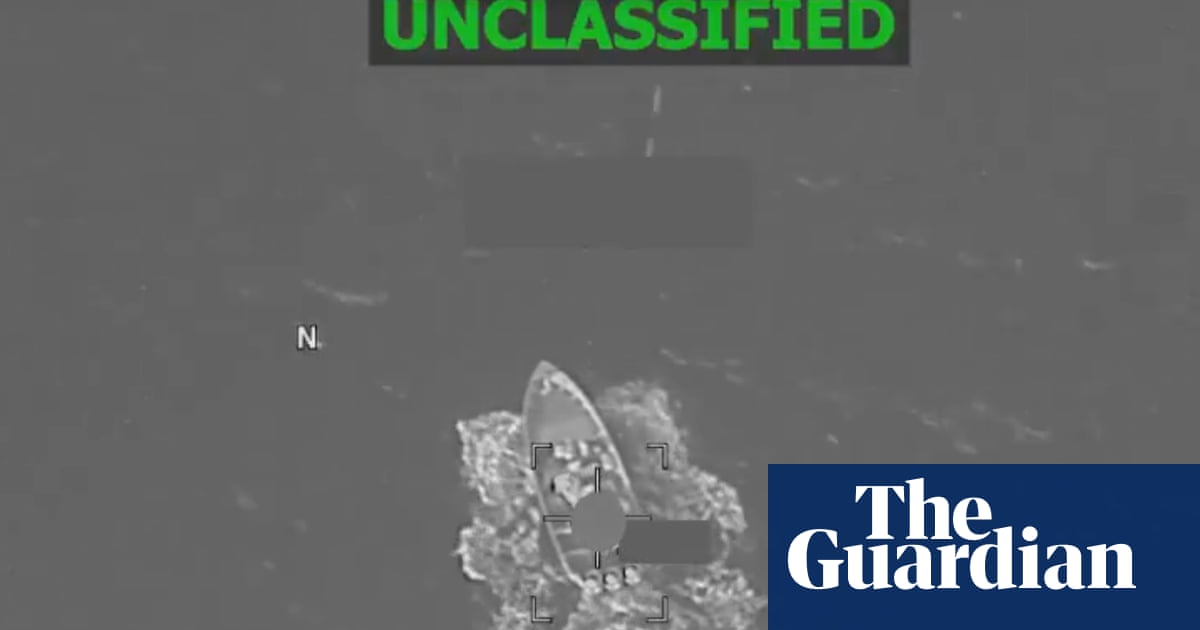
Three people were killed in the latest US strike on an alleged drug-trafficking boat, bringing the reported toll from these operations to at least 177 killed. The article highlights mounting legal and human-rights concerns over the strikes, including claims they may amount to extrajudicial killings and lack definitive evidence of drug trafficking. The escalation in US military action in Latin America raises geopolitical and legal risk, with potential implications for defense, regional stability, and broader market sentiment.
The immediate market signal is not direct commodity impact but regime shift: repeated maritime strikes normalize a lower-threshold use of force, which raises the probability of bureaucratic creep into broader interdiction operations across the Caribbean and eastern Pacific. That matters for insurance, shipping, port logistics, and defense contractors because even a small expansion in patrol tempo can lift operating costs, delay clearances, and increase demand for ISR, drones, maritime surveillance, and unmanned platforms over the next 1-3 quarters.
The second-order beneficiary is the defense-tech stack rather than legacy platform primes. Persistent low-cost enforcement typically favors sensor fusion, command-and-control software, and expendable unmanned systems, while large shipbuilders and manned aviation see less immediate marginal upside unless the campaign expands materially. A prolonged legal fight also increases the chance of procedural constraints, congressional hearings, and reporting requirements, which can slow ops tempo but tend to sustain budget line-items for surveillance and maritime domain awareness.
The larger risk is political and legal escalation, not battlefield escalation. If courts, allies, or human-rights bodies force a pause, the near-term winner is shipping and marine insurers; if the policy survives scrutiny, it becomes a durable precedent that could be applied to other transnational enforcement domains, supporting multi-year procurement. The market is probably underestimating how quickly this can morph from a headline risk into an appropriations story, especially if the administration ties it to border security and counternarcotics funding ahead of budget negotiations.
AI-powered research, real-time alerts, and portfolio analytics for institutional investors.
Request DemoOverall Sentiment
strongly negative
Sentiment Score
-0.70
