
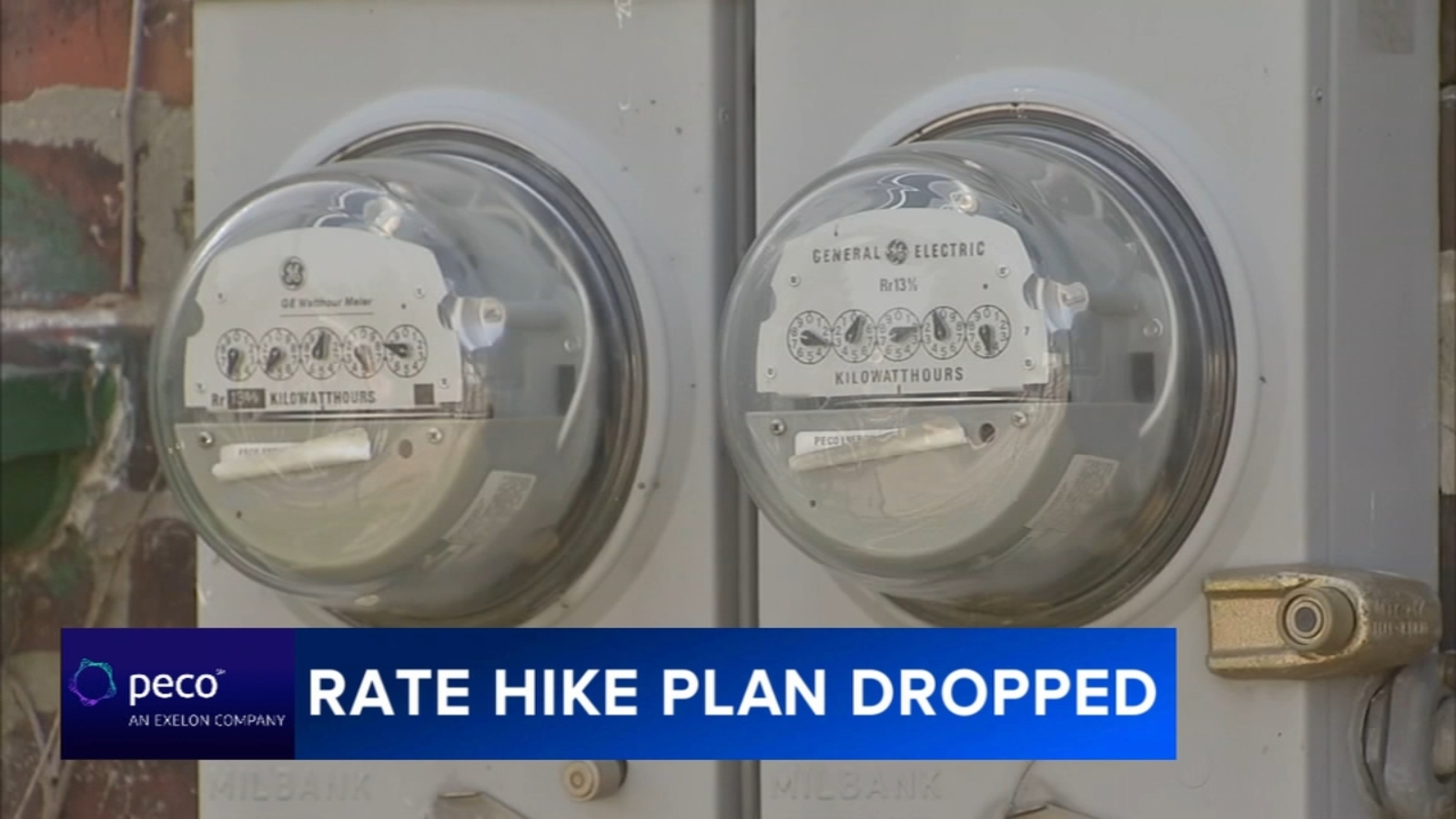
PECO withdrew its proposed 12.5% electric rate increase and 11.4% natural gas increase, which would have added about $20 per month for electric and $14.50 for gas. The utility said the move reflects affordability concerns and a timing-based decision after feedback from customers, community leaders, and regulators. Pennsylvania Governor Josh Shapiro opposed the hikes, and the announcement removes a near-term consumer cost increase.
This is a near-term political win for households, but the market read-through is more nuanced: the utility is not abandoning capex, it is likely re-sequencing it to a less hostile rate case window. That shifts cash flow timing rather than economics, which matters most for balance-sheet-heavy regulated names because allowed returns are only valuable if regulators let them convert into billings on schedule.
The second-order effect is on peers and suppliers: other Pennsylvania utilities now have a higher hurdle for passing through infrastructure spend, especially into an affordability-sensitive backdrop. That can compress sector multiples if investors start to price a longer lag between capital deployed and earnings recovery; meanwhile, contractors and grid equipment vendors could see deferred order timing rather than canceled demand, creating a temporary air pocket in utility capex exposure.
For PECO specifically, the risk is not a permanent earnings reset but a regulatory credibility tax. If management is forced to absorb more spend into the existing rate base for 12-18 months, free cash flow and parent-level upstream capacity tighten, even if long-run allowed ROE stays intact. The key catalyst is the next filing cycle: a softer political environment or evidence of service quality deterioration could justify a re-submission, while continued state pressure keeps the issue live into the 2026-2027 window.
The consensus may be overestimating the headline negativity for the utility and underestimating the signaling effect for the whole regulated complex. This is bullish for consumer affordability optics and potentially supportive of rate-sensitive discretionary demand locally, but it is also a reminder that inflation-sensitive utilities are now politically constrained on recovery, which can make “safe” regulated cash flows less certain than the market assumes.
AI-powered research, real-time alerts, and portfolio analytics for institutional investors.
Request TrialOverall Sentiment
neutral
Sentiment Score
-0.05
Ticker Sentiment
