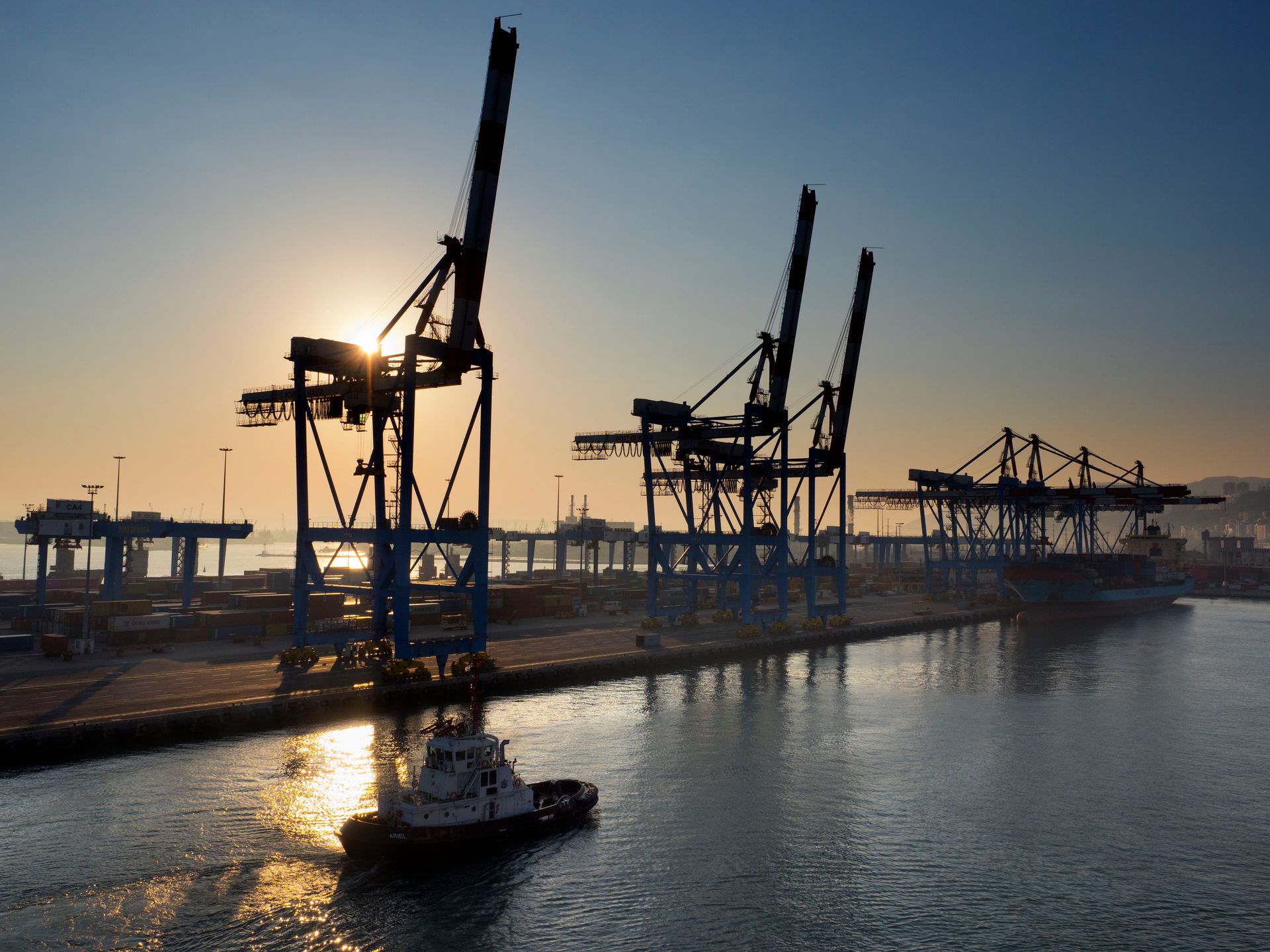
Ukraine summoned Israel's ambassador over the Panormitis, a Panama-flagged bulk carrier allegedly carrying more than 25,000 tons of stolen Ukrainian grain to Haifa. Kyiv warned that allowing the vessel to dock and unload could trigger diplomatic and international legal responses and further damage Ukraine-Israel relations. The dispute follows an earlier Haifa docking by the Russian bulk carrier Abinsk with nearly 44,000 tons of stolen Ukrainian wheat, underscoring ongoing wartime grain diversion from occupied territories.
This is less about one ship than about the emerging price of compliance in the Black Sea grain trade. The second-order effect is that every port authority, insurer, and trader handling cargo routed through Russian-origin transshipment chains now faces a higher probability of documentary scrutiny, sanctions screening, and public shaming, which should widen frictions and raise working capital needs across the route. That tends to favor the cleanest origin-linked exporters and the largest handlers with the best compliance infrastructure, while disadvantaging shadow-fleet intermediaries and any port with limited appetite for diplomatic blowback.
The near-term catalyst is binary and time-sensitive: a refusal to unload would be a headline de-escalation event within days; permission to discharge would likely trigger a broader legal and reputational campaign over the next few weeks. The market-relevant transmission is not direct grain pricing so much as higher uncertainty around Black Sea logistics, which can lift freight, insurance, and charter rates for vessels exposed to the region. If the issue escalates, expect spillover into other sanctioned or gray-zone cargoes, as counterparties reprice the risk of being the next public case study.
The contrarian view is that the immediate commodity impact may be overestimated. Stolen grain already cleared into the market is a marginal supply overhang relative to global wheat and barley balances, so the bigger effect may be on route economics and counterparty selection rather than outright prices. That means the trade is more about relative value in shipping, insurers, and compliance-enriched logistics than a directional bet on grains.
A second-order geopolitical risk is that repeated enforcement failures normalize the conduct, encouraging more diversion through jurisdictions willing to look away. That would slowly deteriorate trust in trade documentation from the region and could force a premium on origin verification tech, vessel tracking, and insured counterparties over a 6-12 month horizon. In that sense, the event is a slow-burn regulatory catalyst with asymmetric downside for gray-market facilitators and modest upside for compliance winners.
AI-powered research, real-time alerts, and portfolio analytics for institutional investors.
Request DemoOverall Sentiment
moderately negative
Sentiment Score
-0.35
