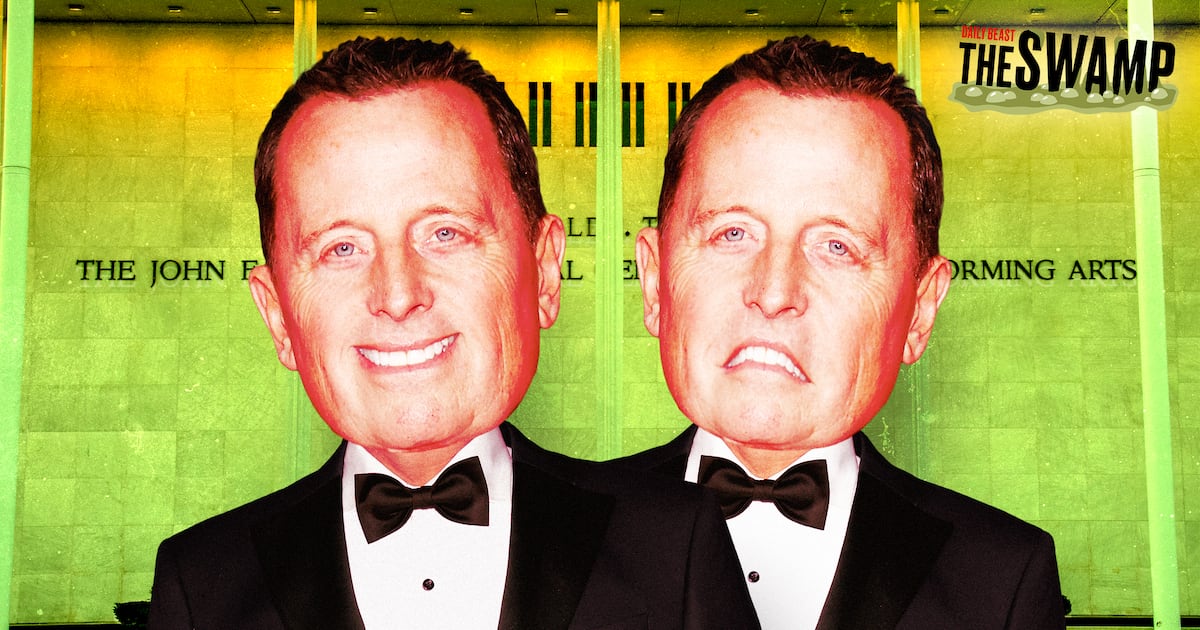
The Kennedy Center’s abrupt two‑year shutdown announced by the new management has triggered artist cancellations, postponed performances (including the National Symphony Orchestra world premiere) and painfully low ticket sales, and is being interpreted internally as a potential union‑busting move that risks long‑term reputational and operational damage. Broader political controversies—Jeffrey Epstein document revelations implicating Steve Bannon, a surreal DOJ redaction of the Mona Lisa, and opaque political ad buying around a Super Bowl ICE spot—compound political and regulatory uncertainty around the administration and cultural institutions, creating localized operational and reputational downside but limited direct market impact.
Market structure: The Kennedy Center shock is a demand-side reputational hit concentrated in non-profit/high-culture venues and local DC hospitality; commercial touring and festival operators (Live Nation - LYV) and politically-aligned private venues can pick up displaced inventory. Expect localized price discounting for classical/season-ticket boxes (1–5% capacity reductions over next 1–3 months) and higher marketing spend to refill seats, pressuring margins at smaller promoters and regional theaters.
Risk assessment: Tail risks include a coordinated artist boycott or strike that spreads (low prob, high impact: could erase 5–10% of quarterly revenues for exposed operators) and municipal/philanthropic funding pullback that squeezes non-profits over 6–24 months. Immediate window (days–weeks): event cancellations and headlines; short-term (weeks–months): contract renegotiations, booking freezes; long-term (quarters–years): structural shift to commercial programming and weaker union power if management succeeds.
Trade implications: Direct tactical trades favor selective buys on diversified live-entertainment and event REITs on pullbacks (LYV, MSGE) while hedging near-term headline risk with 3-month put spreads; hospitality names concentrated in DC (HST) are neutral-to-slightly negative if closures persist beyond 90 days. Monitor IV spikes in LYV/MSGE — consider buying volatility (long straddles or 25-delta put spreads) 30–90 days into any artist/union escalation to monetize repricing.
Contrarian angles: The market will likely overreact to PR-driven cancellations; Kennedy Center revenue is immaterial to national live-entertainment toplines (single-digit percentage vs LYV’s diversified revenues), so buying selective dips is defensible. Historical parallels (2016 culture-war headlines) show short-lived impact to ticket demand; downside is concentrated reputational/operational risk, upside is reallocation of touring spend into commercial circuits.
AI-powered research, real-time alerts, and portfolio analytics for institutional investors.
Request DemoOverall Sentiment
moderately negative
Sentiment Score
-0.45
