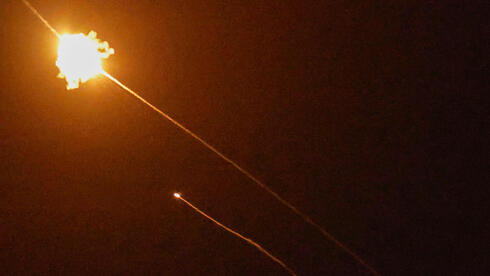
The U.S. fired more than 200 THAAD interceptors in defense of Israel, roughly half of its total inventory, while U.S. ships launched over 100 additional SM-3/SM-6 interceptors. The report says Israel used fewer than 100 Arrow interceptors and about 90 David’s Sling interceptors, leaving Washington with a materially depleted missile-defense stockpile and raising readiness concerns for other theaters, especially Asia. The conflict has also disrupted global energy flows through the Strait of Hormuz, and U.S. intelligence still assesses Iran holds about 70% of its prewar missile stockpile.
This is less a headline about one conflict than a stress test of the U.S. missile-defense industrial base. The immediate market read-through is not to prime contractors’ topline, but to readiness degradation: every high-end interceptor expended in a single theater increases the probability of a forced prioritization event elsewhere, especially Asia, where the marginal value of those stockpiles is highest. That shifts the risk premium from Middle East escalation alone to a broader deterrence-credibility discount across U.S. defense commitments.
Second-order, the shortage creates a near-term pull-forward in procurement and replenishment funding, but the supply chain cannot instantly monetize it. THAAD/SM-3/SM-6 are long-lead, highly specialized systems with constrained production capacity, so the revenue benefit lands over quarters to years while the operational vulnerability is immediate. That asymmetry is what matters: defense budgets may expand, but the interim issue is an inventory crunch, which tends to favor system integrators with missile-defense exposure more than the pure-play interceptor manufacturers.
The more interesting contrarian angle is that the market may be underpricing escalation control. If Washington concludes the current burn rate is unsustainable, the political incentive is to push for a ceasefire or a lower-intensity proxy posture, not an open-ended air-defense commitment. In the next days to weeks, the key catalyst is whether renewed hostilities force another large interceptor drawdown; over months, the catalyst is supplemental funding for munitions replenishment and allied co-production agreements. Energy remains a second-order beneficiary only if the Strait disruption persists; otherwise, the bigger macro is higher U.S. defense spend with no immediate change in growth, i.e. mildly inflationary but not enough to reprice the whole market.
AI-powered research, real-time alerts, and portfolio analytics for institutional investors.
Request DemoOverall Sentiment
strongly negative
Sentiment Score
-0.55
