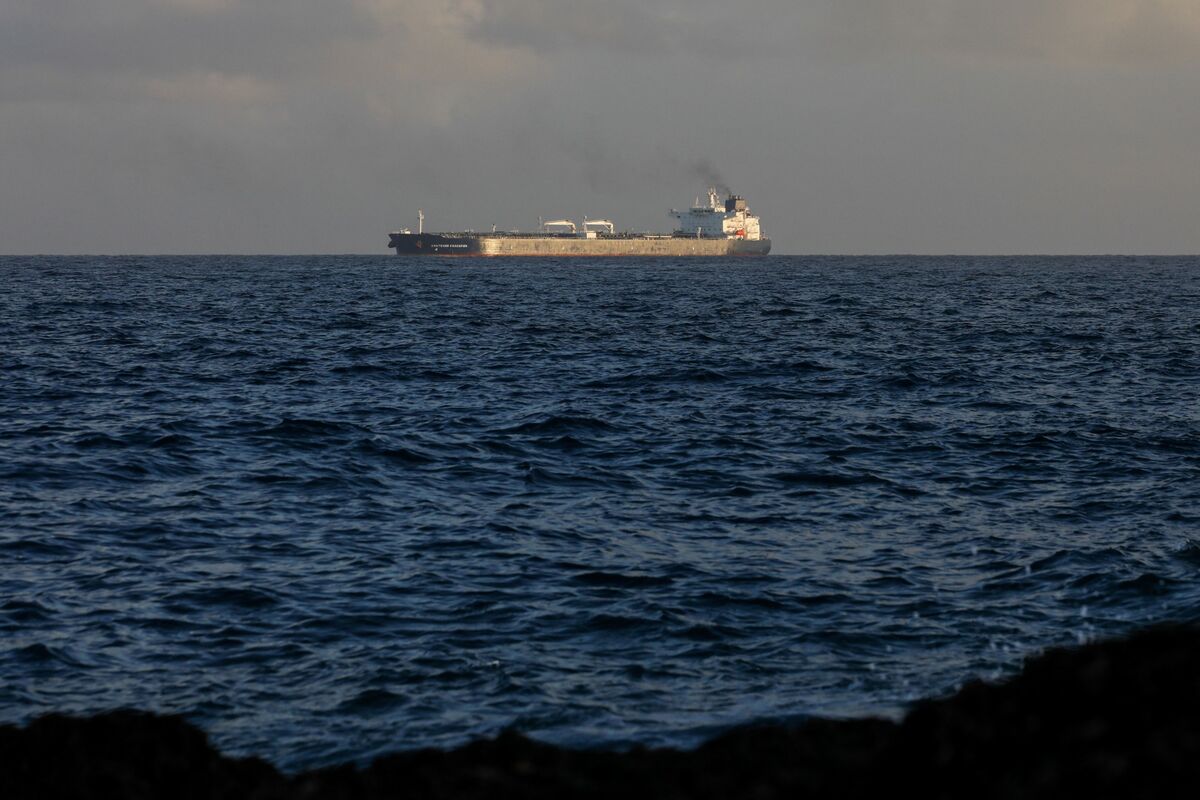
France’s navy boarded the tanker Tagor in the Atlantic after it sailed from Russia, expanding the crackdown on shadow-fleet vessels transporting sanctioned crude. The vessel is subject to international sanctions, with the operation reportedly supported by allies including the UK. The move reinforces enforcement pressure on Russian oil trade and could add friction to maritime crude flows.
This is less about one tanker and more about a creeping increase in transaction friction for the marginal barrel leaving Russia. The market usually prices sanctions as a binary supply shock, but the bigger second-order effect is higher voyage uncertainty: longer routing, insurance haircuts, vessel substitution costs, and more time in transit all reduce effective supply even before any barrels are physically removed from market. That tends to steepen regional spreads first, with European crude/product differentials and freight rates reacting before Brent itself meaningfully rerates.
The immediate winners are non-Russian Atlantic Basin suppliers and the service stack around compliant logistics: shipowners with clean fleets, marine insurers, brokers, and traders able to arbitrage widened basis spreads. The hidden loser is not just Russia’s export volume, but the shadow-fleet ecosystem’s balance sheet efficiency; each enforcement event raises the capital intensity of moving sanctioned crude, which can force discount widening to entice buyers. Over a 1-3 month horizon, that can translate into lower realized prices for Russia while supporting Brent/Dubai and distillate cracks if buyers preemptively source from compliant barrels.
The key risk is regime adaptation. If enforcement becomes predictable, the shadow fleet will re-route, re-flag, and re-document rather than collapse, muting the supply impact after an initial spike. The true bullish catalyst would be broader allied coordination on insurers, ship-to-ship transfer hubs, and port access; absent that, this is a series of tactical disruptions rather than a durable embargo. In other words, the move is constructive for prices now, but the market may be overestimating the persistence of the supply loss unless the enforcement perimeter widens materially.
Contrarian view: the consensus may be underappreciating how much of the real adjustment shows up in freight and financing, not headline oil volumes. That means the better trade is often the logistics bottleneck, not outright crude beta. If enforcement keeps escalating, the payoff may accrue more to select tanker and insurance exposures than to broad energy equities, which are already tied to a wider macro tape.
AI-powered research, real-time alerts, and portfolio analytics for institutional investors.
Request DemoOverall Sentiment
mildly negative
Sentiment Score
-0.15
