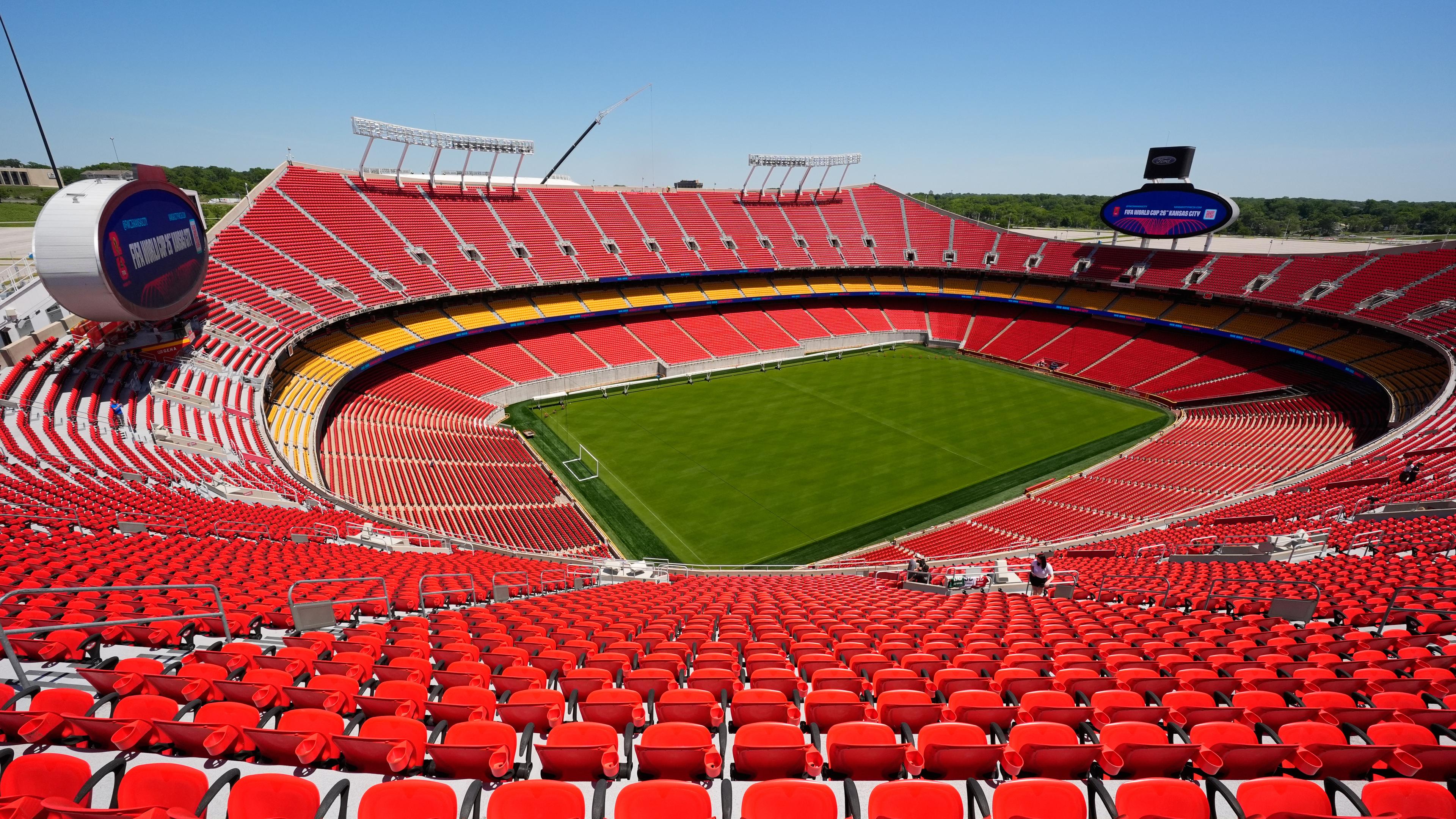
2026 World Cup ticket and travel costs are extremely elevated, with final tickets on FIFA’s resale platform reaching $9,200 to $11,499,998.55 and U.S. opener face-value seats at $1,940, while NJ Transit cut game-day fares from $150 to $98 round trip. The article argues FIFA’s dynamic pricing and high ancillary costs may deter international attendance and reduce the expected economic boost for host cities, though some secondary-market prices have fallen more than 20% over the prior 30 days. Local hospitality demand and transit usage are the main areas affected, but the news is unlikely to move broad markets materially.
The real market signal is not “rich fans pay up,” it is that FIFA is testing how far it can push price discrimination before it suppresses total attendance and venue-side spending. That shifts surplus away from local ecosystems — hotels, transport, restaurants, and municipal operators — toward the event organizer and resale intermediaries, while reducing the multiplier effect that host cities were underwriting when they approved infrastructure and service commitments. The second-order loser is the broader travel stack in host metros if international trip conversion keeps lagging. A weaker mix of domestic-to-international visitors means fewer high-margin room nights, shorter length of stay, and less ancillary spend per trip; that matters more than topline foot traffic because domestic fans substitute rather than create new demand. If the market begins to price this as a “corporatized” event rather than a pilgrimage, the atmosphere premium erodes too, which can depress late-cycle ticket demand and secondary-market liquidity into the tournament window. The timing matters: this is a near-term demand elasticity story, not a structural collapse. Over the next 2-8 weeks, the key catalyst is whether unsold inventory and falling resale prices force another round of discounting; if so, the organizer’s take rate likely falls faster than gross ticket revenue rises. The contrarian read is that high sticker prices may be less inflationary for local economies than feared because they ration demand, but the more important risk is that they ration away the one visitor cohort that actually creates incremental GDP for host cities. From a positioning standpoint, the best expression is to lean against host-city beneficiary trades that depend on premium inbound travel and event uplift, while being selective on transportation names that have captured pricing optics but may face backlash or political pushback. The market may still be underpricing the reputational damage from visible excess pricing: even if revenue holds, brand harm can bleed into future event monetization and sponsor behavior, making this more of a margin-quality issue than a simple revenue-positive story.
AI-powered research, real-time alerts, and portfolio analytics for institutional investors.
Request DemoOverall Sentiment
mildly negative
Sentiment Score
-0.15
