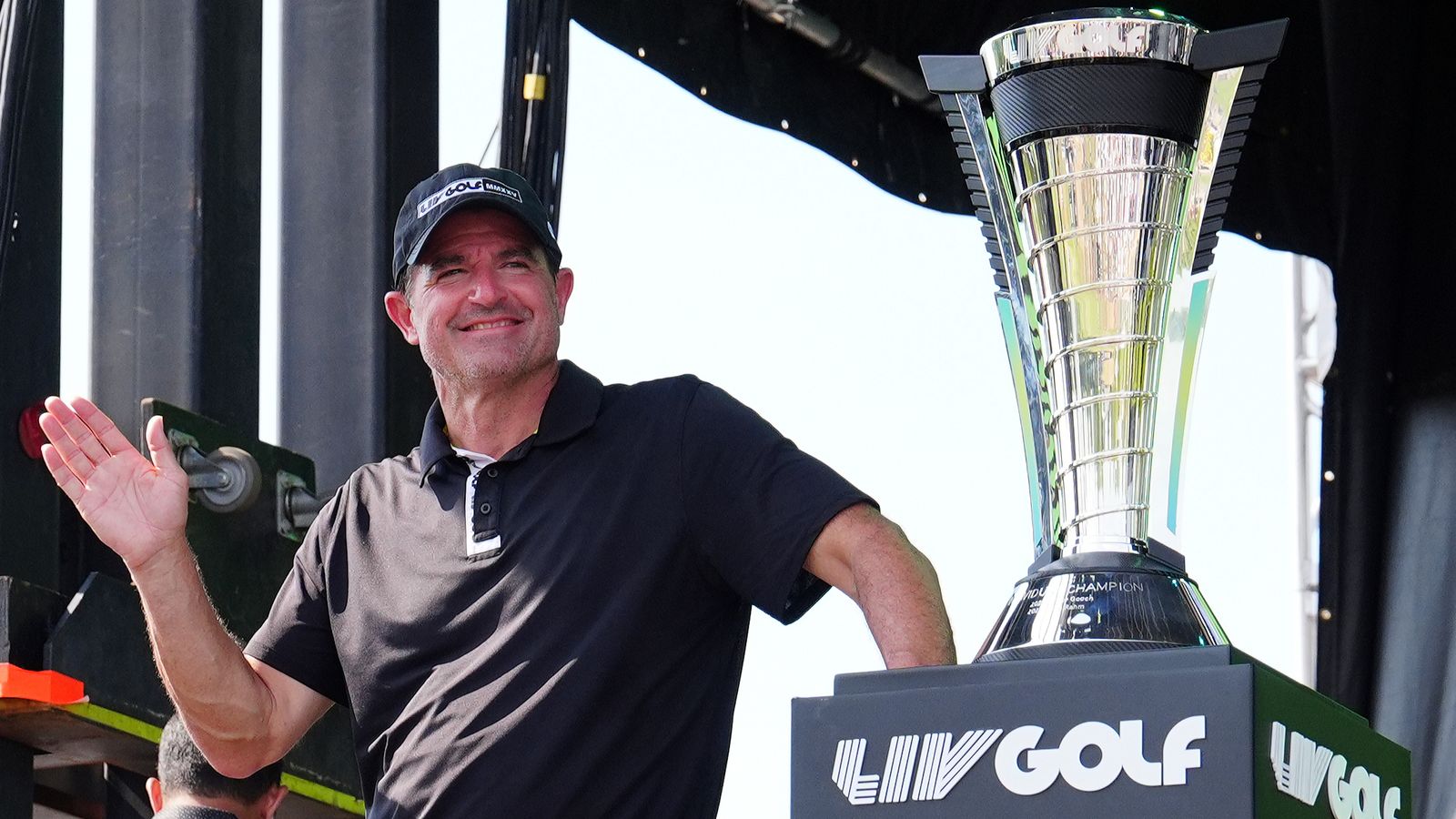
LIV Golf CEO Scott O'Neil said the 2026 season will continue "uninterrupted" and "at full throttle" despite reports that Saudi Arabia's Public Investment Fund may reduce financial backing. The article highlights ongoing uncertainty around LIV's long-term funding, with reported spend already at $5.3bn and projected to exceed $6bn by year-end, while PIF is refocusing its five-year investment strategy. Near-term operations appear intact, but the funding question remains a material overhang for the league.
The key market signal is not whether LIV survives this season; it’s that PIF is moving from blank-check sponsorship to return-on-capital discipline. That shifts the probability distribution away from perpetual loss funding and toward either a forced cost reset, a rightsizing of prize pools, or a strategic sale/partnership structure. In other words, the first-order headline is stability, but the second-order implication is tighter capital allocation across Saudi “soft power” assets, which should raise scrutiny on every non-core sports asset with weak monetization.
For the golf ecosystem, the most probable outcome is a two-speed market: elite individual stars retain bargaining power, while mid-tier LIV roster players and event vendors face higher renewal risk if budgets tighten. That could accelerate cross-tour leakage, especially for players already close to eligibility bridges back to the PGA ecosystem, and it may depress the premium paid for future signing bonuses. The broader media/rights angle matters too: if the league’s growth story shifts from expansion to preservation, sponsors and broadcast partners will start pricing LIV as a content property with policy risk rather than a perpetual disruptor.
The contrarian view is that a funding pullback would not necessarily be bearish for golf as a whole. A forced re-underwriting could make the product more economically rational, improving the odds of a long-term coexistence or eventual consolidation with the established tours. The real trade is on expectation reset: if the market is still valuing Saudi sports spending as open-ended, there is room for disappointment across adjacent leisure and event assets tied to Gulf capital deployment.
Catalyst timing is near-term over the next 1-3 months: watch for player defections, prize-money adjustments, sponsor renewals, and any change in event cadence for the 2027 schedule. If management language shifts from ‘full throttle’ to ‘disciplined growth,’ that would confirm the pivot and likely compress valuations of fringe sports properties linked to sovereign sponsorship.
AI-powered research, real-time alerts, and portfolio analytics for institutional investors.
Request DemoOverall Sentiment
neutral
Sentiment Score
0.05
