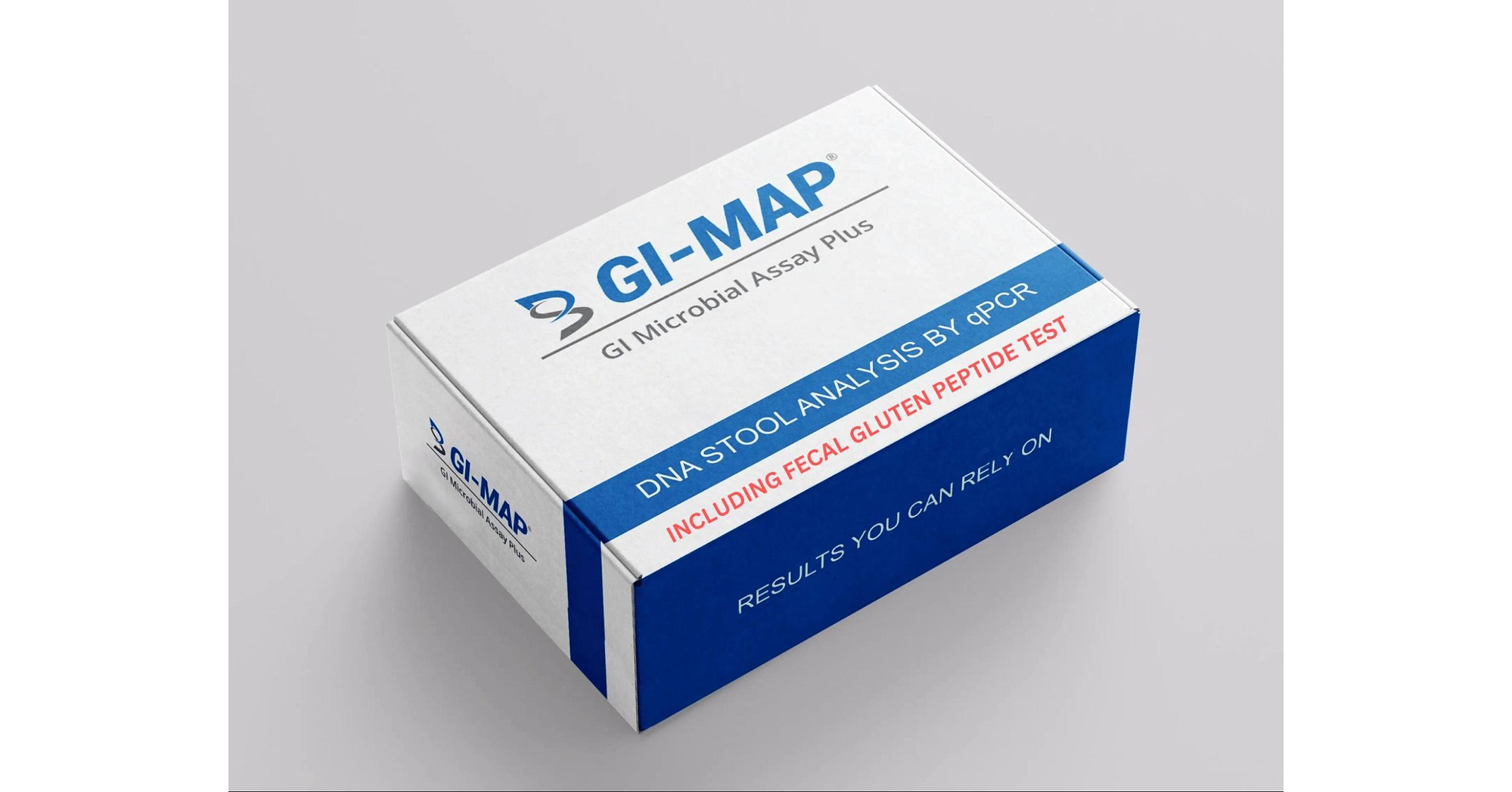
GI MAP Test launched an email Cyclospora guidance resource for customers whose GI-MAP stool test detects the parasite, announced Aug. 5, 2026 and provided at no additional cost. The educational service is triggered only for Cyclospora-positive results and is designed to help recipients understand meaning, contamination sources, symptom urgency, and expected recovery time (it does not provide dosing or diagnosis). The company says results are typically returned in ~14–16 days after sample receipt and are reviewed by a practitioner, with coverage limited to tests ordered through GI MAP Test (and restricted in NY, NJ, and RI).
This reads more like a conversion/support layer than a product event. The only real economic mechanism is a small reduction in post-result friction: fewer abandoned follow-up calls, fewer refunds/complaints, and possibly a modest lift in repeat testing or practitioner-referred utilization if customers feel the brand is “clinically supported.” That helps a direct-to-consumer diagnostics model at the margin, but it does not change test sensitivity, reimbursement, or physician adoption, which are the variables that actually move revenue.
The second-order effect is on compliance and liability, not growth. By explicitly avoiding dosing or treatment advice, the company is signaling awareness of regulatory risk around at-home diagnostics; that likely lowers headline risk, but also underscores how tightly constrained the commercial opportunity is. Any benefit should show up over months in better conversion and lower customer-service costs, not in days through meaningful incremental volume.
For competitive dynamics, this is more relevant to other niche stool-test vendors and functional-medicine labs than to broad diagnostics incumbents. The incremental advantage is brand trust and workflow completion, not a moat: larger labs and clinician-channel competitors can replicate educational follow-up cheaply. The contrarian view is that the market may overread a press release like this; unless there is evidence of higher attach rates, lower cancellation, or repeat-order improvement, the earnings impact is likely de minimis.
AI-powered research, real-time alerts, and portfolio analytics for institutional investors.
Overall Sentiment
mildly positive
Sentiment Score
0.12
Ticker Sentiment
