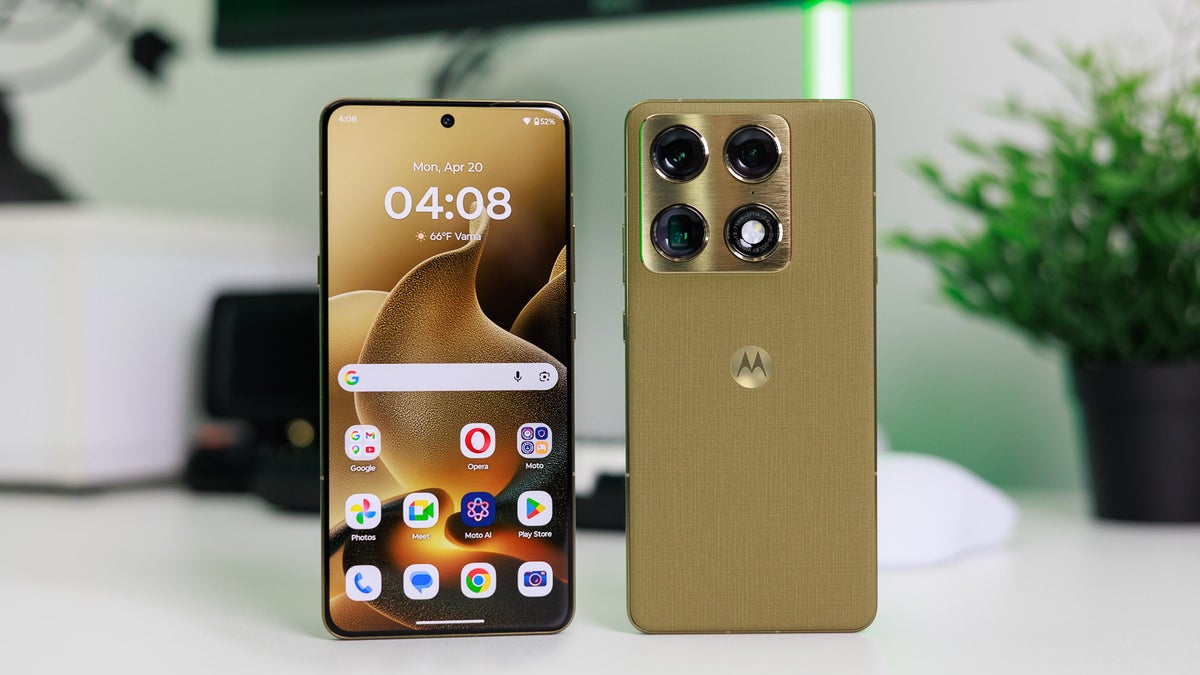
Motorola Signature is presented as a well-executed flagship with standout design, a thin profile, vivid AMOLED display, decent speakers, and competent camera performance. The article is broadly positive on product aesthetics and usability, though it notes drawbacks such as a non-remappable AI key, mild camera bump rattling, and a color choice that may not appeal to everyone. This is a qualitative product review rather than market-moving news, so the likely stock impact is limited.
This reads less like a one-off handset review and more like evidence that Motorola is optimizing around a defensible mid-premium niche: industrial design, tactile hardware differentiation, and a coherent software aesthetic. In a category where feature parity is high, small ergonomic advantages can matter disproportionately for conversion and carrier attach rates, especially among buyers who do not want the “feature clutter” of AI-forward UI. That favors Motorola’s share resilience in the $500-$800 band more than it changes the broader smartphone demand picture.
The second-order implication is that Motorola is implicitly betting that design-led preference can offset weaker software optionality. The dedicated AI button is a risk if consumer AI usage remains shallow; unremappable hardware creates a small but real friction tax and signals that AI is still being pushed top-down rather than pulled by demand. If usage does not deepen over the next 6-12 months, this kind of UI real estate becomes dead weight and could depress satisfaction/retention among power users without meaningfully lifting engagement.
For the broader ecosystem, the winners are component suppliers tied to OLED displays, acoustics, and premium industrial materials, while the losers are phone brands competing purely on spec sheets. The most important competitive dynamic is not Apple/Samsung at the top, but the fight for aspirational Android buyers who want a premium feel without flagship pricing. That group is price-sensitive but design-responsive, so small execution improvements can create share gains that look incremental quarter-to-quarter but compound over 2-3 product cycles.
The contrarian view is that “boring” hardware may actually be underappreciated in a market saturated with gimmicks: a stable, familiar industrial language can lower purchase hesitation and reduce return risk. But the flip side is that if AI remains mostly ornamental, the design premium may not translate into pricing power, only into better reviews. In that case, the upside is operational rather than explosive: modest mix improvement, not category breakout.
AI-powered research, real-time alerts, and portfolio analytics for institutional investors.
Request DemoOverall Sentiment
mildly positive
Sentiment Score
0.15
Ticker Sentiment
