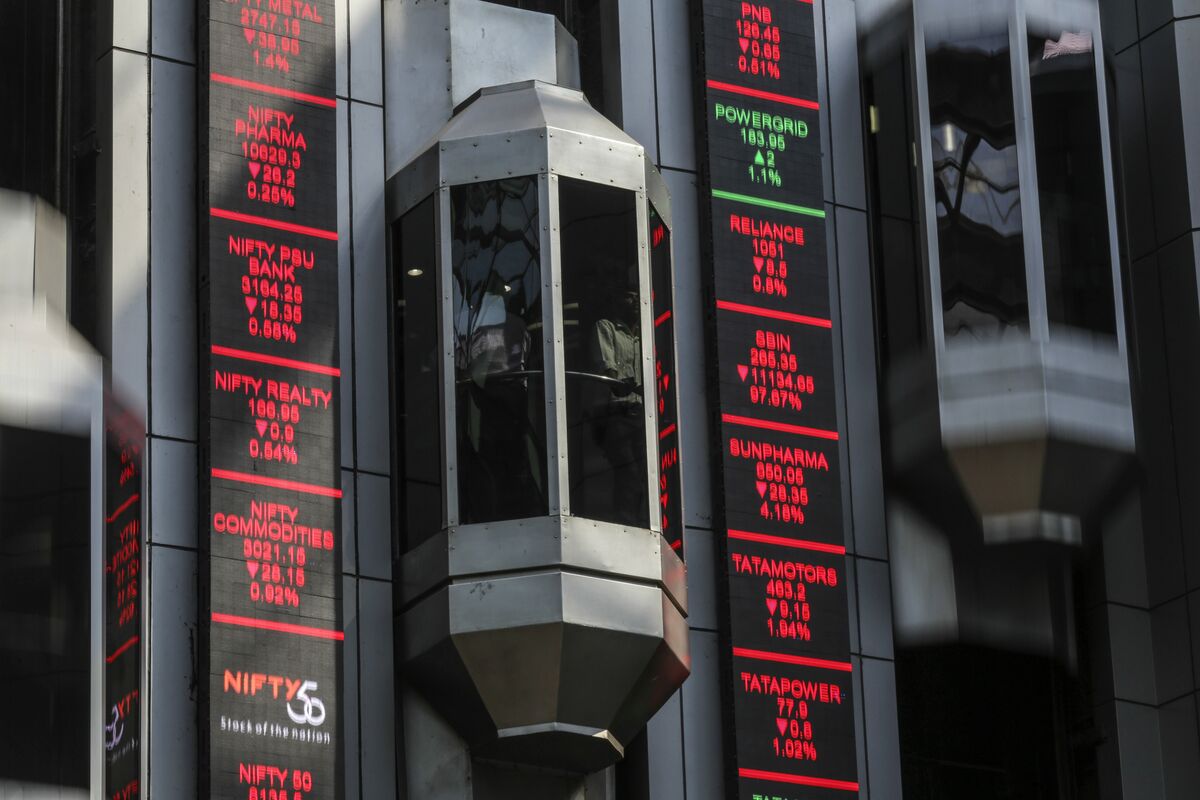
High-frequency trading firms in India have seen a surge in profits despite recent regulatory curbs, highlighting the resilience of algorithmic trading strategies under tighter oversight. For hedge fund managers this signals continued liquidity provision and potential improvements in execution quality, but it also flags elevated regulatory and market-structure risk that could influence volatility, trading costs and strategy positioning going forward.
Market structure: Liquidity provision is concentrating with low-latency market-makers and exchange/co-location ecosystems; winners include large-cap, highly liquid cash and Nifty futures (lower effective spreads), and infrastructure vendors that sell proximity/colocation and connectivity. Losers are fragmented retail/low-frequency brokers and small-cap liquidity pools that face widening effective spreads when HFTs reprice or withdraw; cross-asset effects include downward pressure on equity implied vols (10–25% relative compression), flatter futures basis, and intermittent FX/bond volatility spillovers during microstructure stress.
Risk assessment: Tail risks are regulatory shocks (e.g., a co-location fee cap or order-type bans) and operational flash events that could cause intraday liquidity evaporation and correlation spikes; probability low-medium but impact high (market moves >5% intraday). Immediate (days) risk is trade-flow whipsaw; short-term (weeks–months) is repositioning and margin repricing; long-term (quarters–years) is structural shift to more centralized liquidity providers. Hidden dependency: reliance on a handful of global low-latency vendors and clearing counterparties which can propagate outages.
Trade implications: Favor liquid, large-cap India exposure via INDA/EPI and select infra/comm names (TATACOMM.NS) while sizing defensive tail protection. Avoid naked short-vol in Nifty; instead use cheap put spreads for episodic shocks. Relative value: long exchange/infra proxies vs short regional brokers that have revenue tied to order-flow share (e.g., EDEL.NS).
Contrarian angles: The market underestimates concentration risk — tighter spreads mask depth fragility so realized volatility could spike even as implied vol falls. Historical parallels (US HFT/reg cycles 2014–2016) show delayed liquidity degradation post-regulation. The obvious spread-compression trade could blow up on a single regulatory or operational event, creating asymmetric downside for levered/short-vol positions.
AI-powered research, real-time alerts, and portfolio analytics for institutional investors.
Request DemoOverall Sentiment
mildly positive
Sentiment Score
0.30
