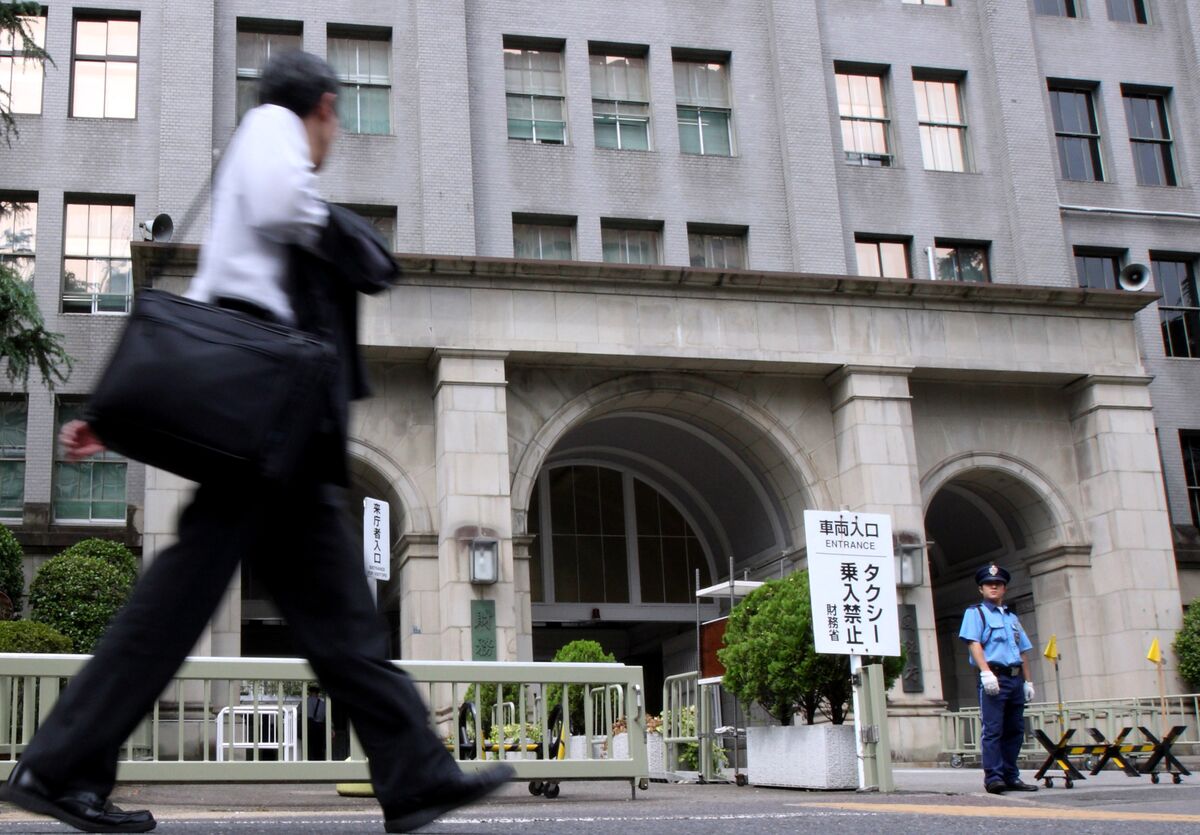
Japan's Finance Ministry plans to reduce the issuance of 20-, 30-, and 40-year bonds by ¥3.2 trillion ($22 billion) through March 2026, exceeding initial expectations. This decision follows recent record volatility in super-long yields that raised market concerns, signaling an effort to stabilize the bond market.
Japan's Ministry of Finance has announced a plan to curtail the issuance of super-long government bonds, specifically 20-, 30-, and 40-year maturities, by a total of ¥3.2 trillion ($22 billion) through the end of March 2026. This planned reduction is reportedly more significant than earlier expectations and directly responds to record levels of volatility experienced in super-long JGB yields in recent months, which had caused considerable market concern. The proposal, presented to primary dealers, indicates a deliberate effort by the authorities to foster greater stability in the Japanese government bond market, particularly at the longer end of the yield curve. This action, aimed at mitigating yield volatility, is perceived with a "moderately positive" sentiment, suggesting market participants may view it as a constructive measure for market functioning. The market impact score of 0.6 indicates a notable, though not extreme, effect from this development, primarily concerning themes of "Interest Rates & Yields," "Credit & Bond Markets," and "Sovereign Debt & Ratings."
AI-powered research, real-time alerts, and portfolio analytics for institutional investors.
Request DemoOverall Sentiment
moderately positive
Sentiment Score
0.35
