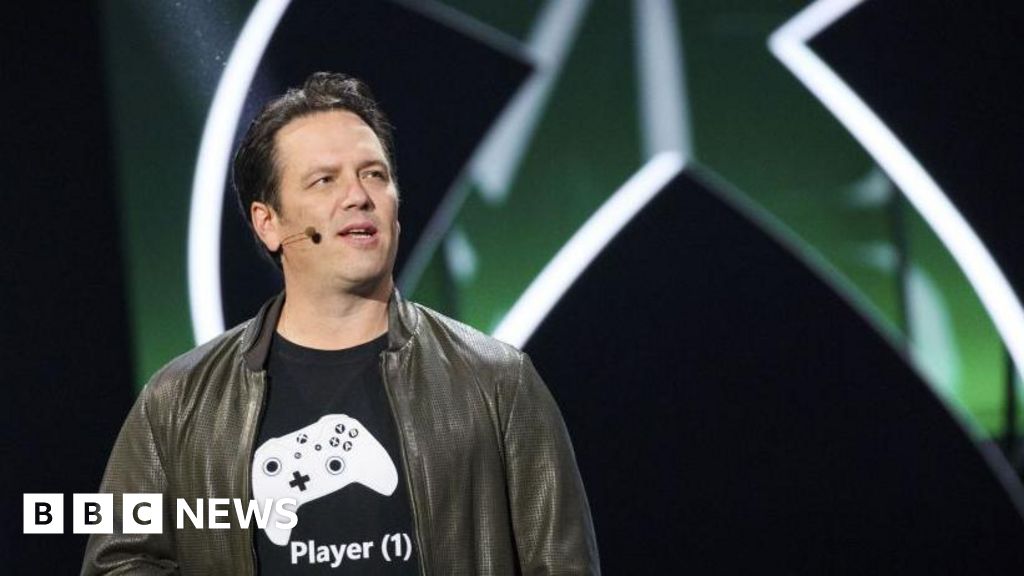
Microsoft Gaming president Phil Spencer is retiring after nearly 40 years and will be succeeded by Asha Sharma, an executive from the firm's AI initiatives, a move that has provoked consumer and industry concern given her limited gaming background. The shake-up follows a difficult year for Xbox marked by layoffs, weak sales and rising development costs; Microsoft also promoted Matt Booty to chief content officer and publicly said there will be no studio organisational changes. Spencer's tenure included major M&A such as Mojang and Activision Blizzard and the launch of Xbox Game Pass, so the appointment signals a possible strategic pivot toward AI-driven product and development approaches that could affect execution and market perception of Microsoft's gaming business.
Market structure: The immediate winners are AI tooling/cloud suppliers (MSFT Azure benefits, NVDA GPUs) and platforms that can monetize engagement (Game Pass). Losers are mid-tier pure-play game publishers and studios reliant on high-cost AAA cycles; expect 3–12% margin pressure for those without subscription exposure over 12–24 months. Surface-level fan anger is PR risk, not revenue shock—market share shifts will be driven by Game Pass monetization and cloud tooling, not console sentiment alone.
Risk assessment: Tail risks include regulatory scrutiny on exclusives/AI IP (low probability, high impact) and studio talent flight that degrades pipeline (medium probability, high impact). Timeline: days—PR-driven volatility (±3–6% moves); weeks–months—updates on studio organization and Game Pass metrics; 12–36 months—structural margin effects from AI tool adoption (potential 10–20% dev cost reduction if executed). Hidden dependencies: third-party dev relationships, Activision/legacy integration, and Azure capacity for cloud gaming.
Trade implications: Direct plays favor buying MSFT on material dips and NVDA for GPU demand; consider shorting exposed publishers (TTWO, EA) that rely on sell-through economics. Options: use 3–6 month MSFT call spreads after a >4% sell-off and buy short-dated puts as downside protection around next earnings. Rotate portfolio weight toward Software/Cloud/AI and away from pure-play Entertainment/Console hardware for 3–12 months.
Contrarian angle: The market underestimates optionality from AI-driven content tooling — successful rollout could raise Game Pass ARPU by 10–30% over 18–36 months, making a temporary PR hit a buying opportunity. Reaction likely overdone near-term; worst-case creative erosion would take 6–18 months to materialize. Watch for faster-than-expected AI tooling adoption or multiple studio exits as binary catalysts.
AI-powered research, real-time alerts, and portfolio analytics for institutional investors.
Request DemoOverall Sentiment
moderately negative
Sentiment Score
-0.45
Ticker Sentiment
