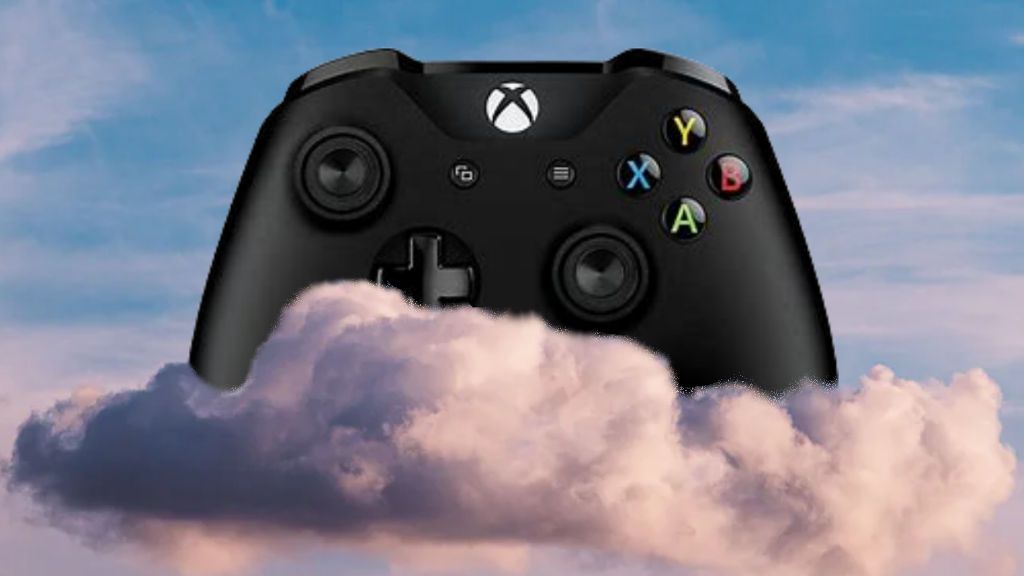
Rising RAM prices driven by pandemic-era shortages, crypto-driven GPU demand, and growing AI memory needs are pressuring PC hardware costs and prompting vendors (Maingear, Framework) to pass or advise around higher component costs. That dynamic is accelerating adoption of cloud gaming services—principally NVIDIA GeForce Now and Microsoft Xbox Cloud Gaming—whose offerings (including GeForce Now’s high-tier RTX-equivalent performance and Game Pass Ultimate’s up to 1440p streaming) present a lower-capital alternative for consumers and a potential recurring-revenue growth vector for platform providers. The shift implies downside demand risk for consumer hardware OEMs and components suppliers, with upside for cloud/streaming infrastructure owners, though the story is gradual and not likely to create immediate market-moving financial shocks.
Market structure: Cloud gaming adoption shifts pricing power toward data‑center GPU and platform owners (NVDA, MSFT). Expect accelerated capex demand for high‑end GPUs and networking in 2024–2026, while consumer hardware OEMs (AAPL/PC makers) face margin pressure from rising DDR/DRAM costs and softer upgrade cycles; cloud providers can monetize scale and recurring subscriptions, compressing retail GPU ASP growth.
Risk assessment: Key tail risks are regulatory action on bundling/subscription (antitrust) and network/latency outages that would stall adoption; a sudden >15% drop in DDR5 spot prices over 90 days would materially blunt the cloud migration case. Timeframes: immediate (days) — sentiment and option vol moves for NVDA/MSFT; short (3–6 months) — subscription adoption and Game Pass feature rollouts; long (12–36 months) — structural shift of installs to cloud if RAM supply remains constrained.
Trade implications: Direct plays favor NVDA (data‑center GPU pricing power) and MSFT (Game Pass + Azure edge), with tactical option structures to control risk; avoid or reduce exposure to consumer hardware OEMs and memory‑exposed suppliers if DDR5 stays elevated. Cross‑asset: stronger capex for cloud names could lift HY spreads for data‑center REITs but pressure hardware retail revenue and USD‑sensitive exporter flows.
Contrarian view: Consensus underestimates last‑mile constraints — broadband/ISP economics and game publisher licensing could slow conversion, leaving NVDA/MSFT fundamentals strong but valuation vulnerable to execution misses. Consider volatility premium in NVDA options and maintain tail hedges: if cloud adoption stalls, rapid derating (20–40%) is plausible within 12 months.
AI-powered research, real-time alerts, and portfolio analytics for institutional investors.
Request DemoOverall Sentiment
mildly positive
Sentiment Score
0.25
Ticker Sentiment
