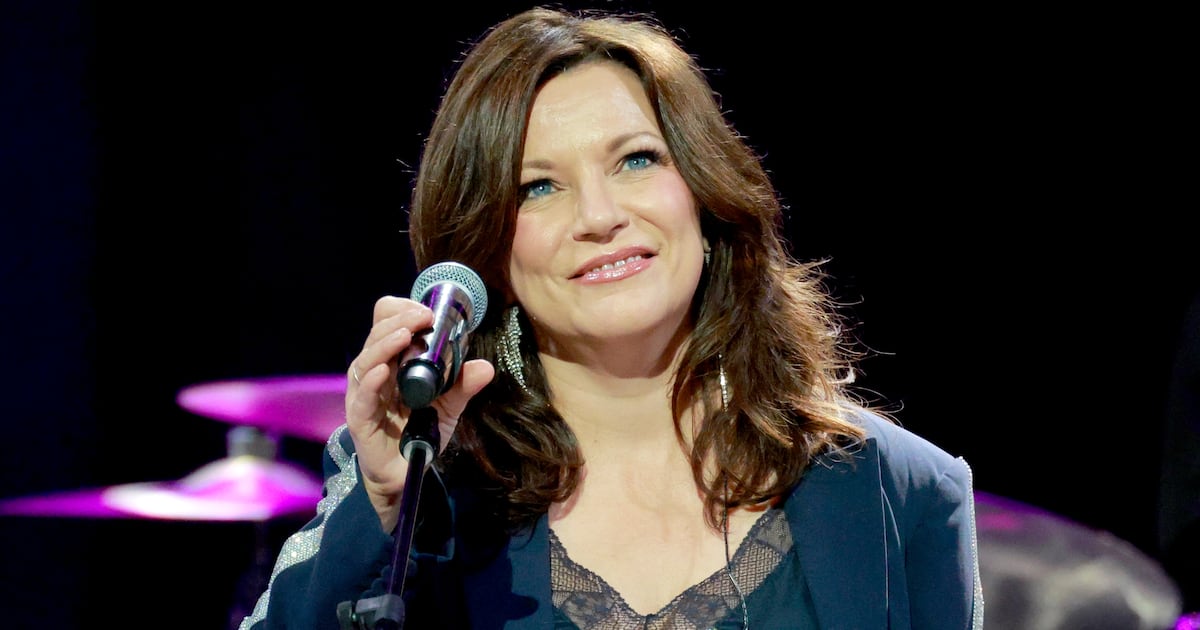
Four of nine announced acts have pulled out of the Great American State Fair after confusion over its Trump/MAGA affiliation, creating reputational and booking uncertainty for Freedom 250. Martina McBride, The Commodores, Young MC and Morris Day & The Time have all canceled, while Flo Rida, Bret Michaels, C+C Music Factory, Milli Vanilli and Vanilla Ice remain listed. The issue is primarily political and promotional rather than financial, so market impact should be limited.
The immediate market read is not about one concert; it is about reputational contagion and booking optionality across the live-events ecosystem. When talent believes presentation terms can be politically repackaged after signing, the implicit cost of participation rises: agents demand more contractual specificity, more approvals on branding, and more cash up front. That tends to favor the biggest promoters and agencies with legal horsepower and hurts small organizers that rely on loose, low-friction booking processes.
The second-order effect is that “nonpartisan” civic-branded events may become harder to assemble quickly, especially for legacy acts whose fan bases are politically mixed and thus more sensitive to backlash. Over the next 1-2 quarters, expect higher cancellation risk, more last-minute replacement costs, and weaker gross margin on free-admission or sponsor-funded shows because organizers will need to overbook talent or pay premiums for higher-assurance acts. The beneficiaries are artists with a clearly partisan or highly loyal audience profile, because they can absorb controversy without meaningfully damaging ticket demand.
For public equities, the most relevant setup is not event-specific exposure but sentiment around live entertainment and reputation management. A short-term selloff in venues/promoters would likely be overdone unless it starts to affect bookings broadly; the better tell is whether corporate sponsors and state-backed civic events begin pulling back from politically ambiguous programming. If that happens, it becomes a modest headwind for multi-event operators and a tailwind for premium, proprietary fan-franchise concerts.
The contrarian view is that this is a noise event with limited financial duration: outrage cycles are short, and much of the audience for nostalgia acts is indifferent to politics as long as the show happens. If organizers quickly replace canceled acts and keep the lineup intact, the headline risk fades in days, not months. The bigger risk is not demand destruction, but a structural increase in friction costs that quietly compress margins across mid-tier live entertainment.
AI-powered research, real-time alerts, and portfolio analytics for institutional investors.
Request DemoOverall Sentiment
mildly negative
Sentiment Score
-0.15
