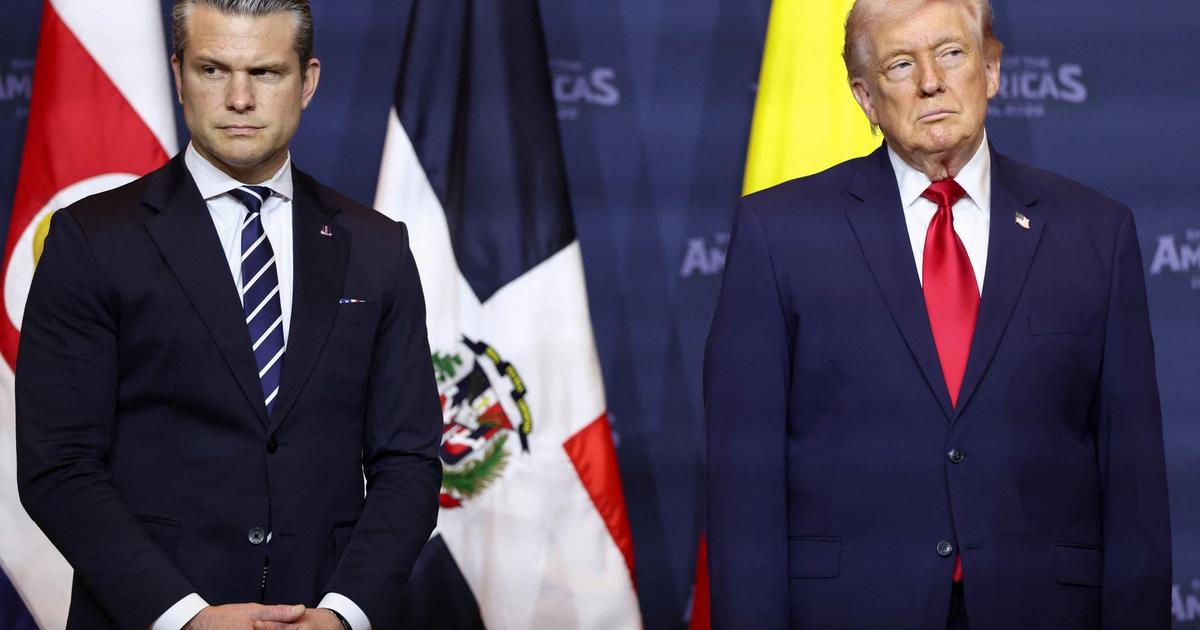
The Pentagon plans to deploy $200 billion over three years via a new 30-person ‘Sponsor Coverage’ team of private-equity–style bankers to source and arrange defense deals aimed at countering China. The recruitment brief targets senior bankers at Goldman Sachs, Morgan Stanley, JPMorgan, and Bank of America for two- to three-year secondments and signals potential elevated deal flow and financing needs for defense primes and PE-backed transactions. Reporting lines include former Cerberus alums and Deputy Secretary Stephen Feinberg; the plan is pitched as a major capital mobilization but remains officially unconfirmed by the Pentagon.
Large banks with deep sponsor-coverage franchises own optionality that is non-linear: a concentrated stream of strategic mandates can produce outsized high-margin fees with minimal incremental balance-sheet consumption, materially boosting ROE for the duration of the program. That optionality is fragile — it crystallizes only if deal cadence is persistent and underpinned by repeatable capital commitments; otherwise fixed-cost hiring and secondments create a transient earnings bump followed by margin drag.
Defense primes and specialised suppliers are the natural conduits for capital and consolidation; expect targeted buyout activity to bid up small/mid-cap suppliers with narrowmoat tech by 30–50% in windows where strategic M&A is active. Earnings accretion will be backloaded: supply-chain lead times and production ramp constraints mean meaningful EBITDA gains are likelier 12–36 months out, so near-term price action will be driven more by M&A premium expectations than by immediate cashflow improvement.
Primary tail risks are political/regulatory reversal, conflict-of-interest investigations, or diplomatic developments that materially reduce the perceived need for strategic investment — any of which can evaporate deal pipelines within weeks. Key near-term catalysts to watch are published allocation notices, large mandate announcements, and any public ethics or oversight probes; markets will reprice within days of each signal.
Given the asymmetric payoff, the market currently underprices both the upside optionality for top-tier banks and the downside regulatory tail for incumbents; defensive positioning that captures skew is preferred. Time horizons vary: trade bank optionality and M&A-linked defense names over 3–24 months, hedge geopolitical event windows with short-dated volatility or protective puts, and size positions to account for a 20–40% binary move around major catalysts.
AI-powered research, real-time alerts, and portfolio analytics for institutional investors.
Request DemoOverall Sentiment
neutral
Sentiment Score
0.00
Ticker Sentiment
