
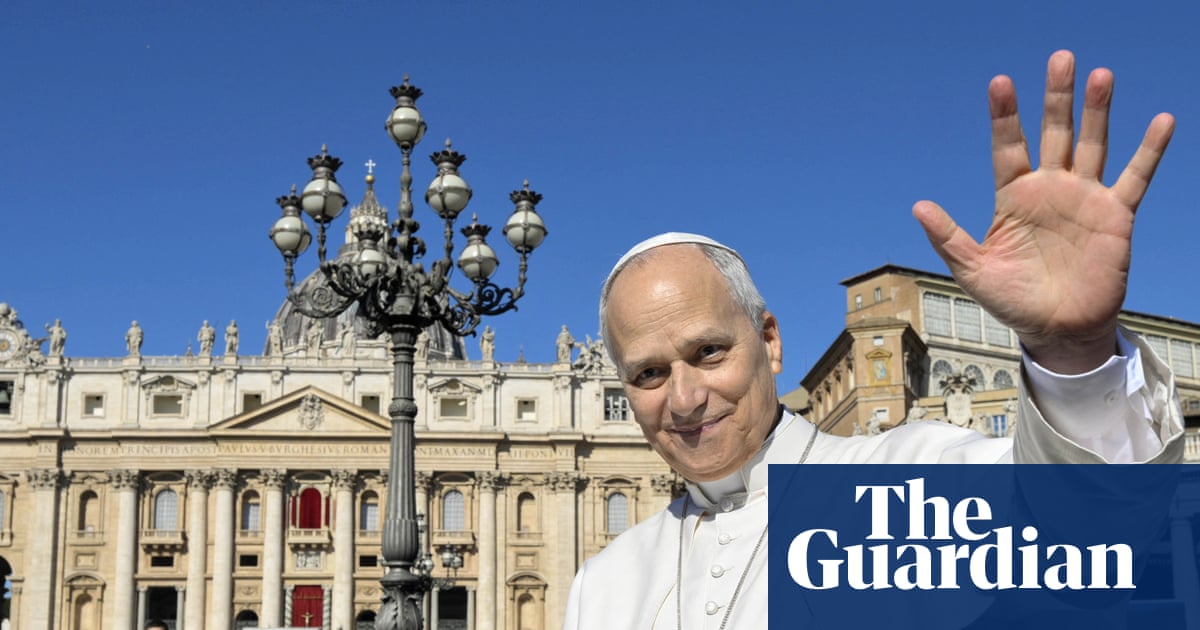
The article centers on escalating tensions between Pope Leo and Donald Trump over the US-Israeli strikes on Iran, with Trump attacking the pope publicly and then sharing an AI-generated image of himself before deleting it. The dispute also drew criticism from JD Vance and prompted support for Leo from European leaders, including Italy’s Giorgia Meloni, who called Trump’s remarks 'unacceptable.' The broader tone is confrontational and geopolitically charged, but the direct market impact appears limited.
The immediate market read is not about theology; it is about governance signaling and policy volatility. When a US pope becomes a public foil for the White House, the Vatican effectively turns into a soft-power counterweight to Washington, which raises the odds of more frequent moral interventions on war, migration, and social policy. That matters because the conflict is now personalized: it is easier for Trump to escalate against an institution than against a state, so the headline risk can persist in bursts for months and spill into broader European political friction.
Second-order, this is supportive for European centrist and church-adjacent political capital while being mildly negative for Trump-aligned messaging in Catholic constituencies. The bigger asset is not the Vatican itself but the credibility premium of any institution seen as independent from US politics; that can strengthen anti-war rhetoric in Europe and make unilateral escalation in the Middle East costlier domestically. Conversely, Trump’s attack style may still poll well with his base, so the near-term market impact is mostly reputational and volatility-driven rather than a direct earnings event.
The AI-generated image angle is a useful tell: it reinforces that AI is now a force multiplier for political provocation, not just misinformation. That increases headline velocity and makes the news cycle harder to fade, especially around conflict-sensitive assets, because synthetic imagery can keep a narrative alive even after the underlying comment is forgotten. The contrarian view is that the market may overestimate the durability of this spat; unless it translates into policy changes, sanctions, or ballot-box effects, it will likely mean-revert after the next bigger geopolitical shock.
AI-powered research, real-time alerts, and portfolio analytics for institutional investors.
Request TrialOverall Sentiment
moderately negative
Sentiment Score
-0.40
Ticker Sentiment
