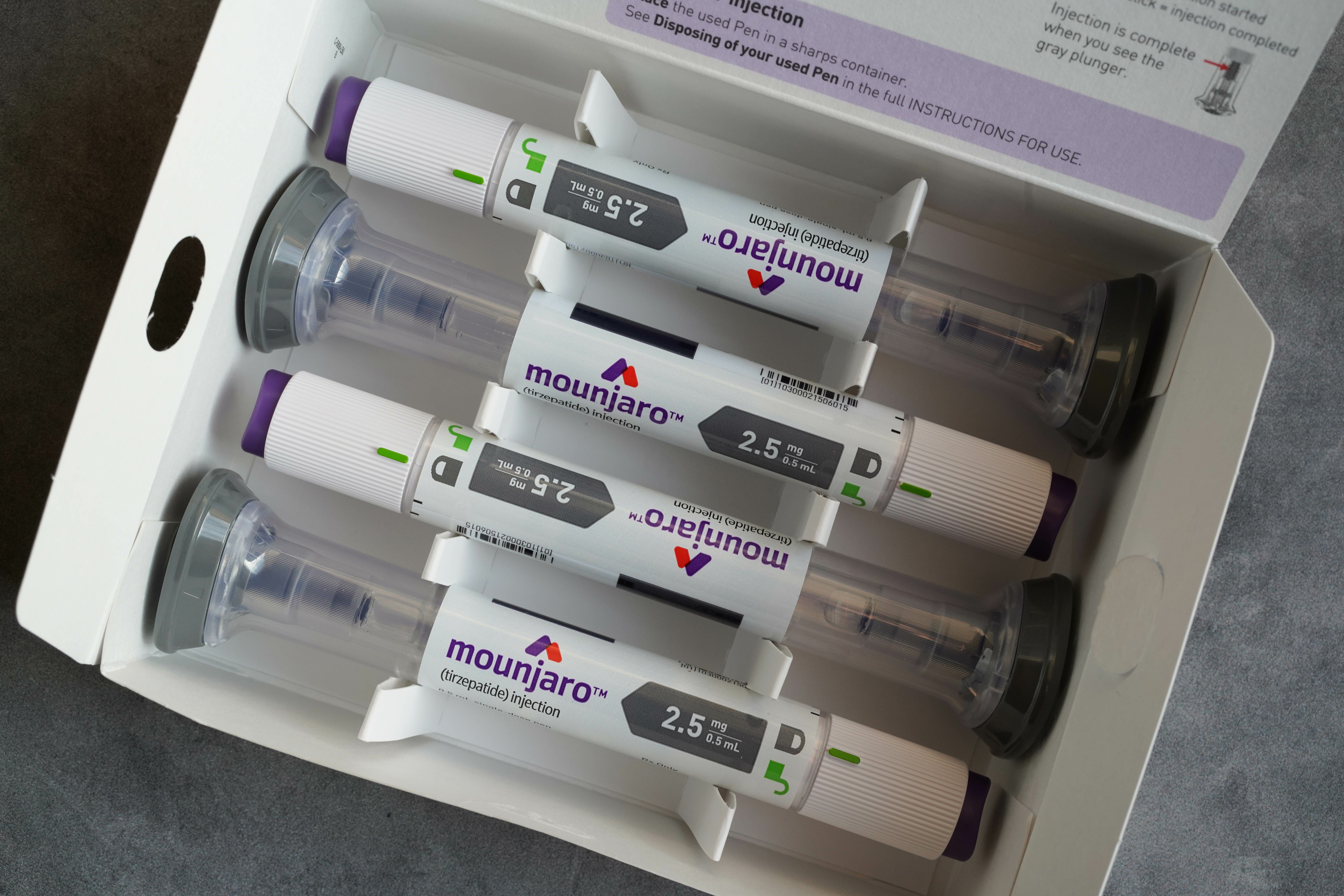
A Cleveland Clinic study found that real-world weight loss outcomes with semaglutide and tirzepatide were less pronounced than in clinical trials, with average weight loss at one year being 11.9% for those who maintained treatment, while early discontinuation resulted in only 3.6% weight loss; patients on high maintenance doses of semaglutide and tirzepatide experienced 13.7% and 18.0% weight loss, respectively. The study, which excluded patients with type 2 diabetes, attributed the difference to higher discontinuation rates and lower maintenance dosages in clinical practice, with cost and insurance barriers being key factors for discontinuation, though patients who discontinued did not experience rapid weight regain.
A Cleveland Clinic retrospective study of 7881 adults with obesity reveals a notable disparity between the efficacy of GLP-1 receptor agonists, semaglutide and tirzepatide, in real-world clinical settings versus controlled clinical trials. While patients maintaining treatment for one year achieved an average body weight loss of 11.9%, this is below trial benchmarks. Early discontinuation (within 3 months) resulted in only 3.6% weight loss, and late discontinuation (3-12 months) yielded 6.8%. Significantly, patients on high maintenance doses experienced more substantial weight loss, with 13.7% for semaglutide and a superior 18.0% for tirzepatide. The study, which excluded type 2 diabetes patients, attributes the attenuated outcomes to higher real-world discontinuation rates and lower maintenance dosages. A follow-up study indicates that nearly half of discontinuations stem from cost or insurance-related barriers, with side effects and medication shortages also contributing. Despite these challenges, an unexpected finding was that patients discontinuing therapy did not exhibit the rapid weight regain commonly observed in trial settings, suggesting potential engagement in other weight management efforts. Furthermore, among 895 participants with prediabetes, 53.9% achieved normoglycemia at one year, underscoring the metabolic benefits beyond weight loss, even with real-world adherence challenges.
AI-powered research, real-time alerts, and portfolio analytics for institutional investors.
Overall Sentiment
Mixed
Sentiment Score
-0.20
