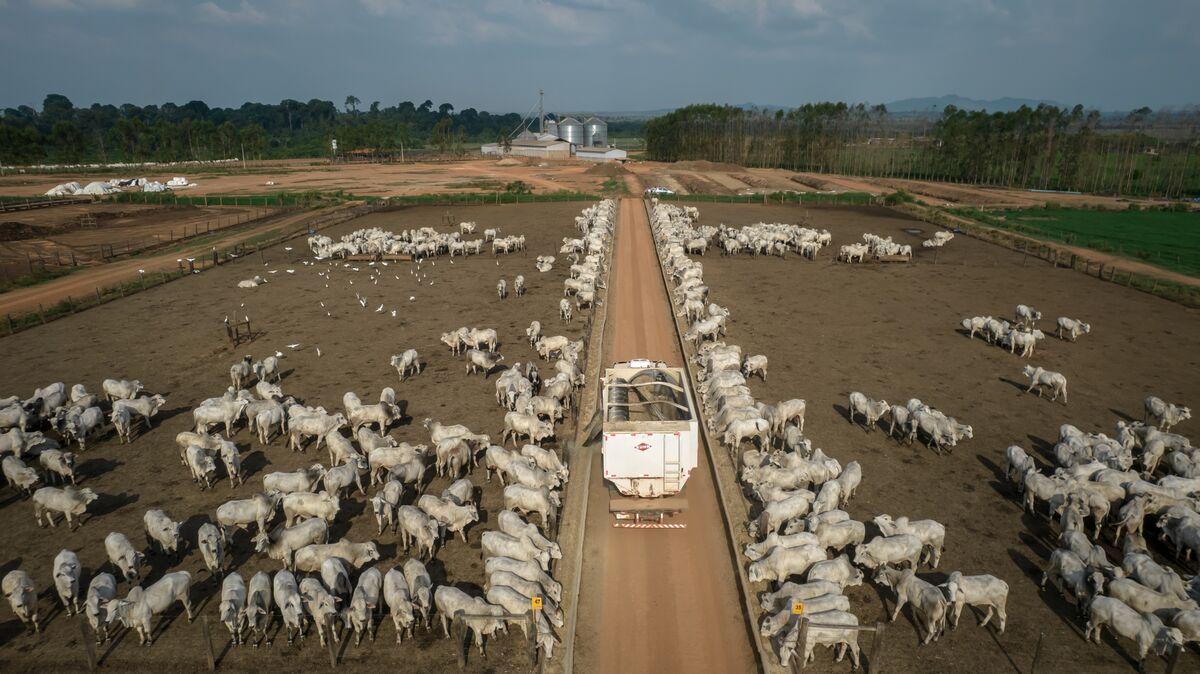
Brazil's agriculture sector, the nation's largest source of greenhouse gas emissions, plans to present itself as a climate leader at the upcoming COP30 talks, creating a paradox that could complicate negotiations. This strategic positioning by a critical global commodity producer highlights potential future policy shifts and investment considerations for institutional investors monitoring environmental regulations and sustainable practices within the sector.
Brazil's agriculture sector, identified as the nation's largest source of greenhouse gas emissions, plans to strategically position itself as a climate leader at the upcoming COP30 talks. This initiative presents a notable paradox, given the sector's current environmental impact, and is set to unfold during next month's negotiations in Brazil. This situation carries a risk of complicating or undermining climate negotiations, as indicated by the 'mixed' sentiment and 'uncertain' tone surrounding the development. This strategic move by a critical global commodity producer suggests potential future policy shifts and increased scrutiny on environmental regulations and sustainable practices within the sector. The inherent contradiction between high emissions and climate leadership aspirations highlights a complex regulatory landscape. The situation underscores growing ESG and climate policy considerations for institutional investors, particularly those with exposure to emerging markets and agricultural commodities. The focus on regulation and legislation suggests potential for new compliance burdens or opportunities related to sustainable agriculture practices.
AI-powered research, real-time alerts, and portfolio analytics for institutional investors.
Request DemoOverall Sentiment
mixed
Sentiment Score
0.00
