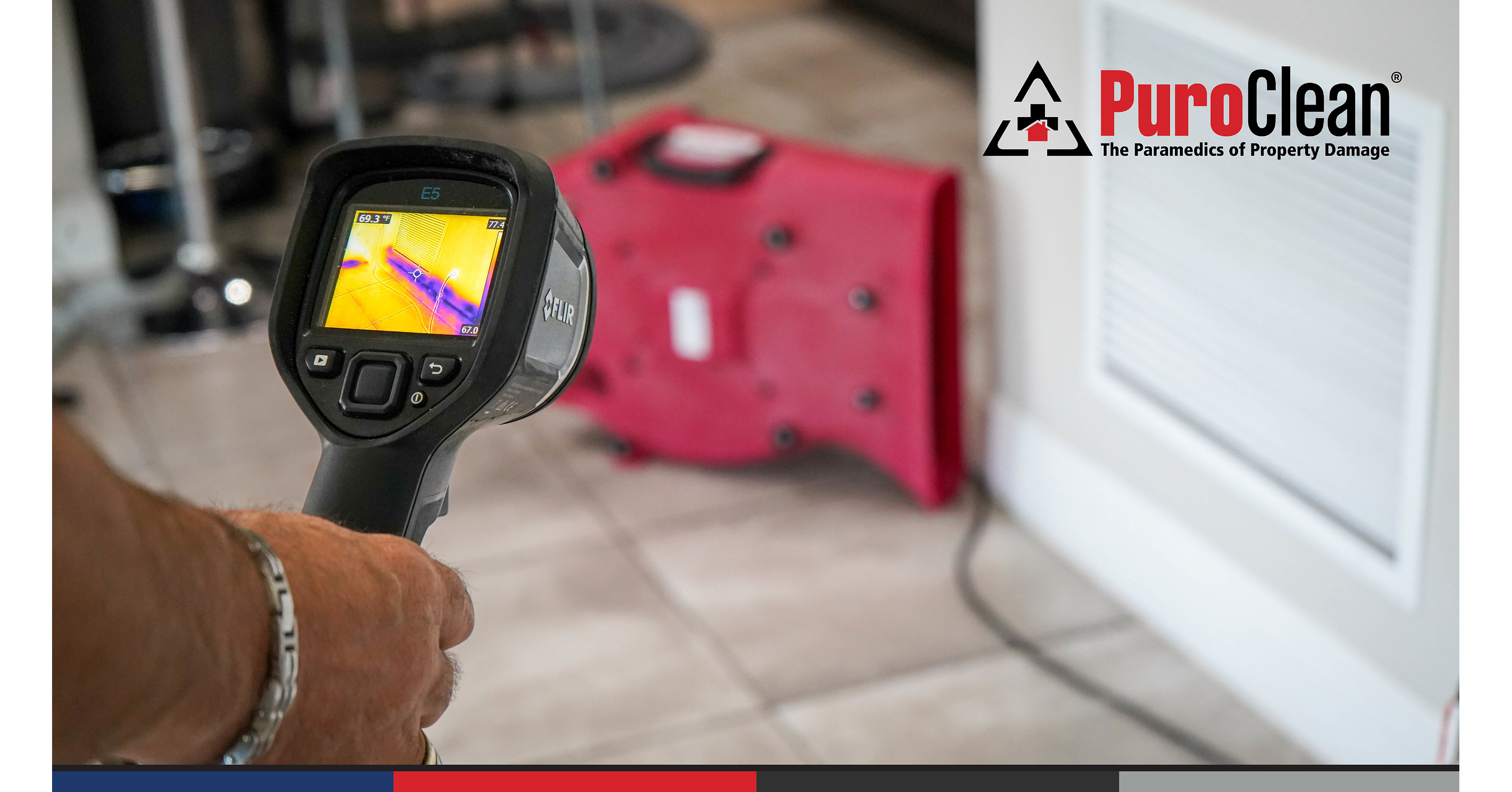
The article is a PR/industry guidance piece from PuroClean urging homeowners and businesses to obtain a professional property assessment before deciding whether to file an insurance claim. It highlights the risk of underestimating hidden damage (e.g., water behind walls, smoke/soot penetration, mold development) and recommends stabilizing the situation first, then assessing, comparing restoration costs vs. coverage, and finally choosing whether to claim or self-pay. No financial metrics, earnings, or market-moving updates are provided.
This is mostly a positioning message for a private services brand, not a monetizable demand shock. The only real market mechanism is that encouraging earlier professional assessment can modestly raise claim severity and scope discovery, which helps restoration/mitigation vendors at the expense of property insurers via higher paid losses and loss-adjustment expense. That effect is usually more visible in catastrophe-heavy quarters than in normal loss years, so any P&L impact would show up first in reserve trends and combined ratios rather than revenue headlines.
For public comps, the second-order winner is not big-box retail but claims-adjacent service capacity: contractors, moisture remediation, and regional repair networks get more wallet share when consumers outsource diagnosis. The loser is any carrier with weak claims control or high deductible friction, because the more damage gets documented early, the harder it is to minimize severity. But the scale is small unless weather losses are already elevated, so this is more of a surveillance item than a standalone catalyst.
Contrarian view: the market may be overreacting to a behavior change that mostly shifts timing, not aggregate spend. Deductibles, coverage disputes, and policy exclusions mean many homeowners will still self-fund or delay repairs, especially for non-cat losses. The thesis is falsified if upcoming insurer commentary shows stable severity and reserve development; confirmed only if loss ratios and catastrophe severity keep trending worse over the next 1-2 quarters.
AI-powered research, real-time alerts, and portfolio analytics for institutional investors.
Overall Sentiment
neutral
Sentiment Score
0.00
Ticker Sentiment
