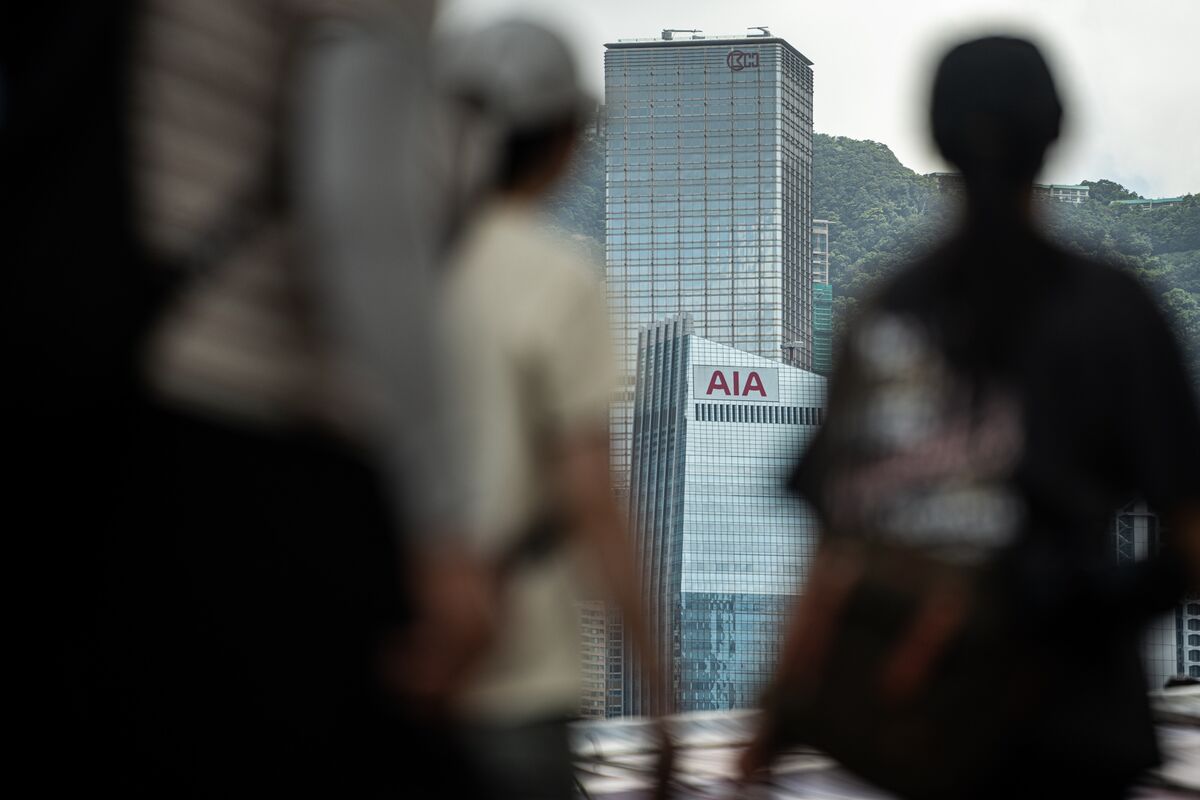
An unnamed shareholder executed a HK$26.8 billion ($3.4 billion) block trade, divesting a 3.7% stake in AIA Group Ltd. at HK$68 per share, representing a 6% discount to its prior close. This significant disposal, one of Hong Kong's largest this year, triggered a 4.4% decline in AIA's shares on Friday, reflecting immediate market reaction to the substantial equity overhang.
A significant market event has occurred for AIA Group Ltd., with an undisclosed shareholder divesting a 3.7% stake through a HK$26.8 billion ($3.4 billion) block trade. The transaction, executed at HK$68 per share, represented a substantial 6% discount to the previous day's closing price, signaling a strong motivation to sell. This large disposal, one of the biggest in Hong Kong this year, created immediate downward pressure on the stock, causing AIA's shares to fall 4.4% in the subsequent trading session. The event introduces a considerable supply overhang and negatively impacts near-term investor sentiment, as reflected by the bearish tone and moderately negative sentiment score. The core driver is technical market flow, as the sale's motivation and the seller's identity remain unknown, leaving a vacuum of information regarding any potential shift in the fundamental outlook for the insurer.
AI-powered research, real-time alerts, and portfolio analytics for institutional investors.
Request DemoOverall Sentiment
moderately negative
Sentiment Score
-0.60
