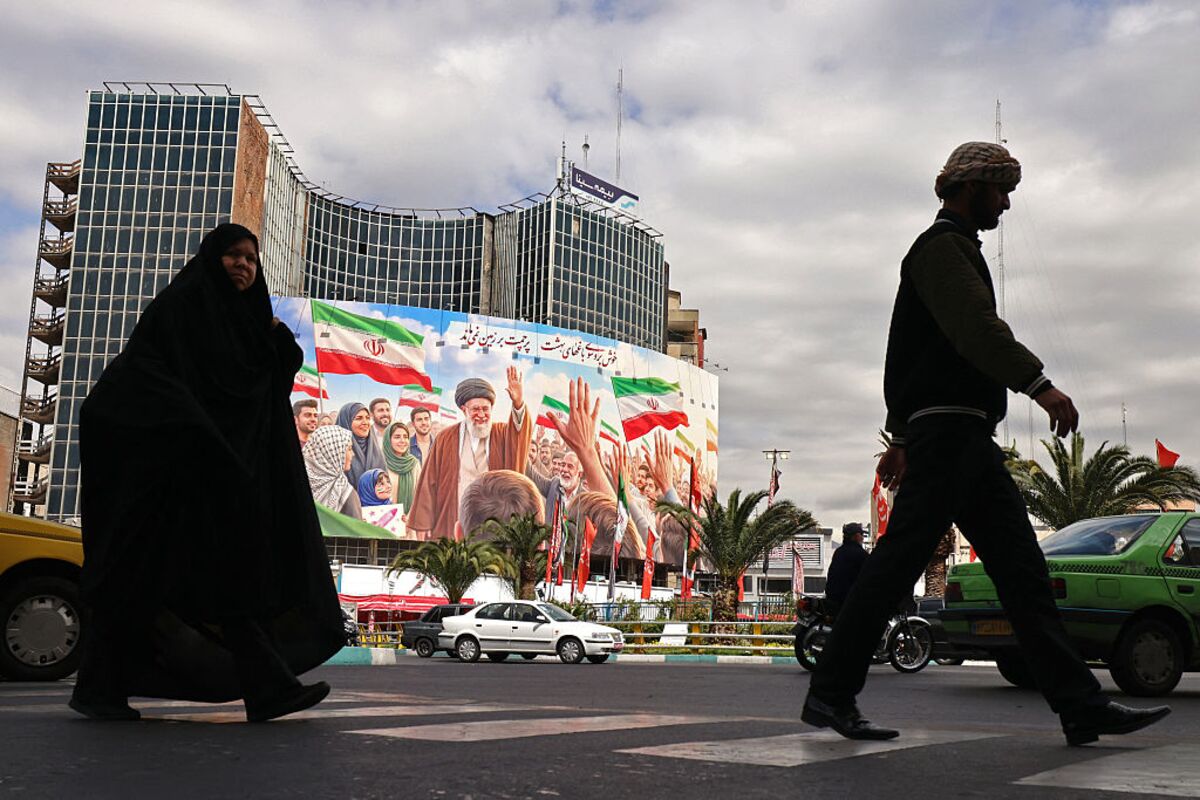
President Trump said Iran committed a "serious violation" of the ceasefire, though he said a peace deal is still possible. The remarks keep geopolitical risk elevated and suggest the ceasefire remains fragile, which could pressure risk assets if tensions escalate further.
The immediate market read is not about the ceasefire headline itself, but about the probability distribution of escalation over the next 24-72 hours. When messaging shifts from diplomatic ambiguity to punitive language, the risk premium tends to reprice first in freight, energy, and defense, even before any kinetic follow-through. The first-order move is usually brief; the second-order move is whether insurers, shippers, and regional operators start embedding a longer disruption window into pricing.
The more interesting dynamic is that a “managed” confrontation can still be bullish for defense and select infrastructure even if oil gives back part of the spike. Investors often focus on headline de-escalation, but supply chain friction can persist through rerouting, higher war-risk premia, and delayed project awards in the Gulf. That creates a cleaner setup in contractors with Middle East exposure and domestic replacement demand than in pure commodity exposure, which can mean-revert quickly if rhetoric softens.
Catalyst risk is clustered around the next few days: any confirmation of retaliatory strikes, maritime incidents, or explicit U.S. force posture changes would extend the move. Over a months-long horizon, the key question is whether this becomes another episodic flare-up or a regime shift that forces higher baseline defense spending and redundancy capex. The latter is more durable, but it requires markets to believe the conflict will affect shipping and procurement cycles, not just headline volatility.
The contrarian point is that the market may be underpricing the speed of normalization if both sides want to avoid widening the conflict. In that case, the best short-term fade is in the most crowded geopolitical hedges, while the better medium-term expression is relative-value long defense versus cyclical industrials exposed to rising input and logistics costs. The highest Sharpe trade is likely not a directional war bet, but a pair that benefits from persistent uncertainty without needing an outright escalation.
AI-powered research, real-time alerts, and portfolio analytics for institutional investors.
Request DemoOverall Sentiment
moderately negative
Sentiment Score
-0.35
