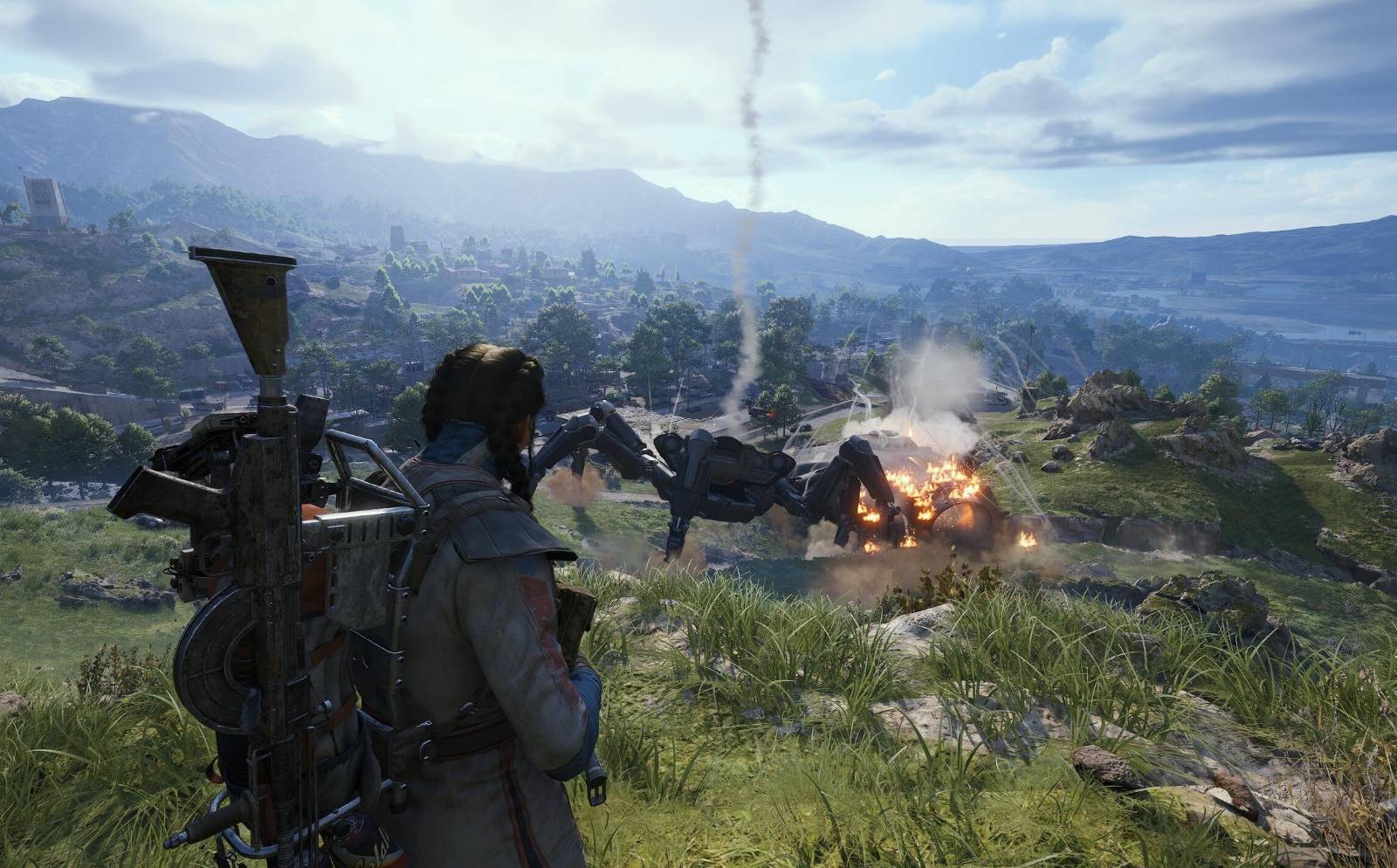
Embark Studios said ARC Raiders content updates will now be delivered twice a year, with the next major Frozen Trail update due in October and billed as the game's "biggest, most exciting update yet." The update adds the largest map to date, a new ARC Operation, progression systems, skill trees, weapons, and cosmetics, while smaller live updates for balance and bug fixes will continue. The longer cadence signals a focus on larger content drops rather than near-term release frequency, but the article does not indicate a material financial impact.
The key market read-through is not the content cadence itself, but the signal that management believes retention is more valuable than near-term monetization. In live-service gaming, stretching major releases while keeping light-touch maintenance intact usually improves the probability of a step-up in average session length and payer conversion around the update window, but it also raises the odds of a quieter interim period where headline concurrency softens. That creates a classic “air pocket then spike” setup: weaker near-term engagement metrics can coexist with better 2H monetization if the update lands cleanly.
Second-order, the bigger map and new progression systems imply a deliberate attempt to widen the late-game funnel rather than just repackage cosmetics. That is important because the marginal dollar in extraction shooters usually comes from keeping mid-core players from churning after the first mastery plateau; if Embark succeeds, it can increase lifetime value without needing proportional user acquisition spend. If it misses, the five-month gap increases the risk that competing shooters and seasonal content from larger publishers pull back dormant users before the October reset.
The consensus risk to miss is that a slower cadence is not automatically a sign of weakness. For a game already drawing a large active base, fewer but larger updates can be a capital-efficient way to protect review scores, reduce bug-induced churn, and extend the title’s monetization runway. The main catalyst to watch is not the update date itself but whether player counts stabilize into the patch cycle; if they do, the market should treat this as quality-of-execution improvement rather than a demand fade.
This is a better setup for relative-value than outright directional gaming beta. The asymmetric trade is to own the highest-quality live-service names with proven update discipline while fading operators that rely on frequent content drops to mask weaker core retention. Near term, the stock reaction should be driven by engagement telemetry and sentiment around the October patch, not by the announcement alone.
AI-powered research, real-time alerts, and portfolio analytics for institutional investors.
Request DemoOverall Sentiment
neutral
Sentiment Score
0.05
