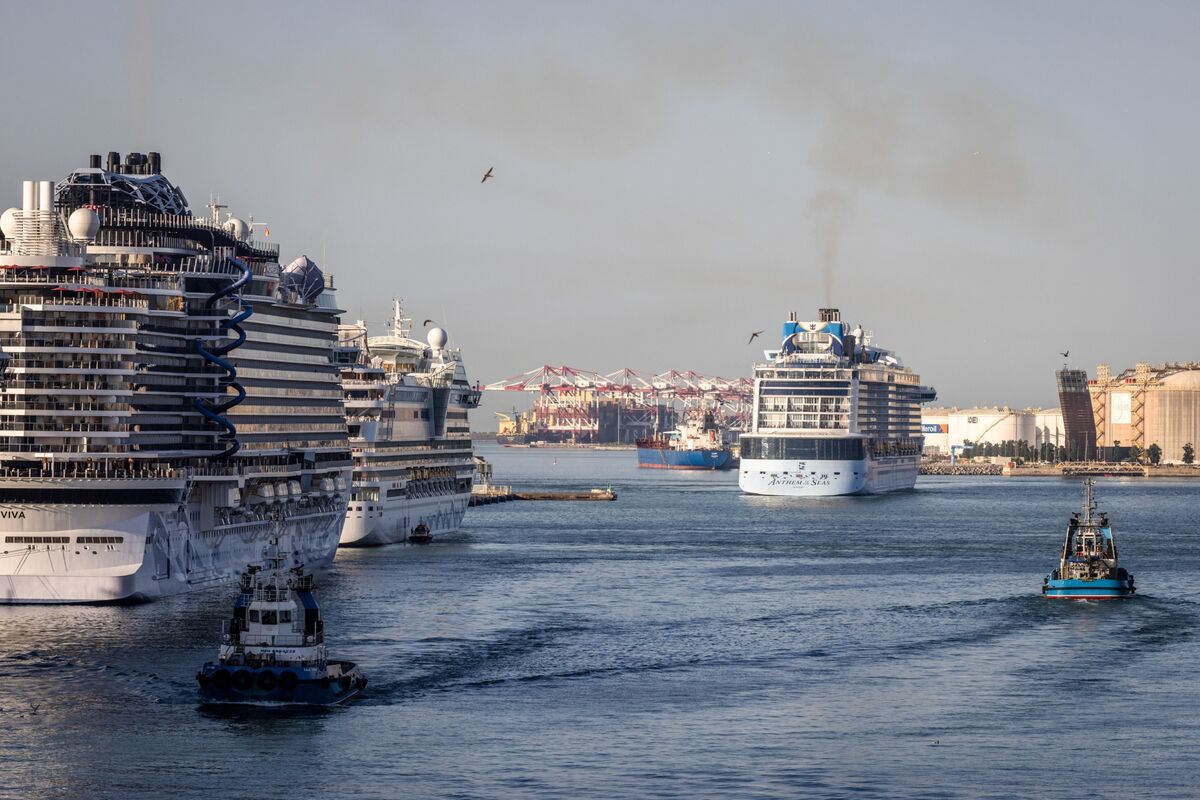
Barcelona will reduce its cruise ship port capacity by cutting the number of terminals from seven to five, as announced by the city council. This initiative aims to make ship arrivals more controlled and sustainable, signaling a broader trend among major tourist destinations to manage visitor volume and mitigate overtourism.
Barcelona's decision to reduce its cruise ship terminals from seven to five represents a significant operational headwind for the travel and leisure sector, specifically for cruise lines operating in the Western Mediterranean. This move by Spain's third-largest port is explicitly aimed at controlling tourist volume and promoting sustainability, signaling a growing trend of regulatory and legislative action against overtourism in key European destinations. While no specific operators were named, this capacity reduction directly impacts the logistical capabilities and potential revenue for any cruise line that utilizes Barcelona as a primary port of call or embarkation point. The action should be viewed not as an isolated event, but as a potential precedent that could be replicated in other popular port cities, introducing a new layer of regulatory risk and potential growth limitations for an industry reliant on high-volume tourism.
AI-powered research, real-time alerts, and portfolio analytics for institutional investors.
Request DemoOverall Sentiment
moderately negative
Sentiment Score
-0.50
