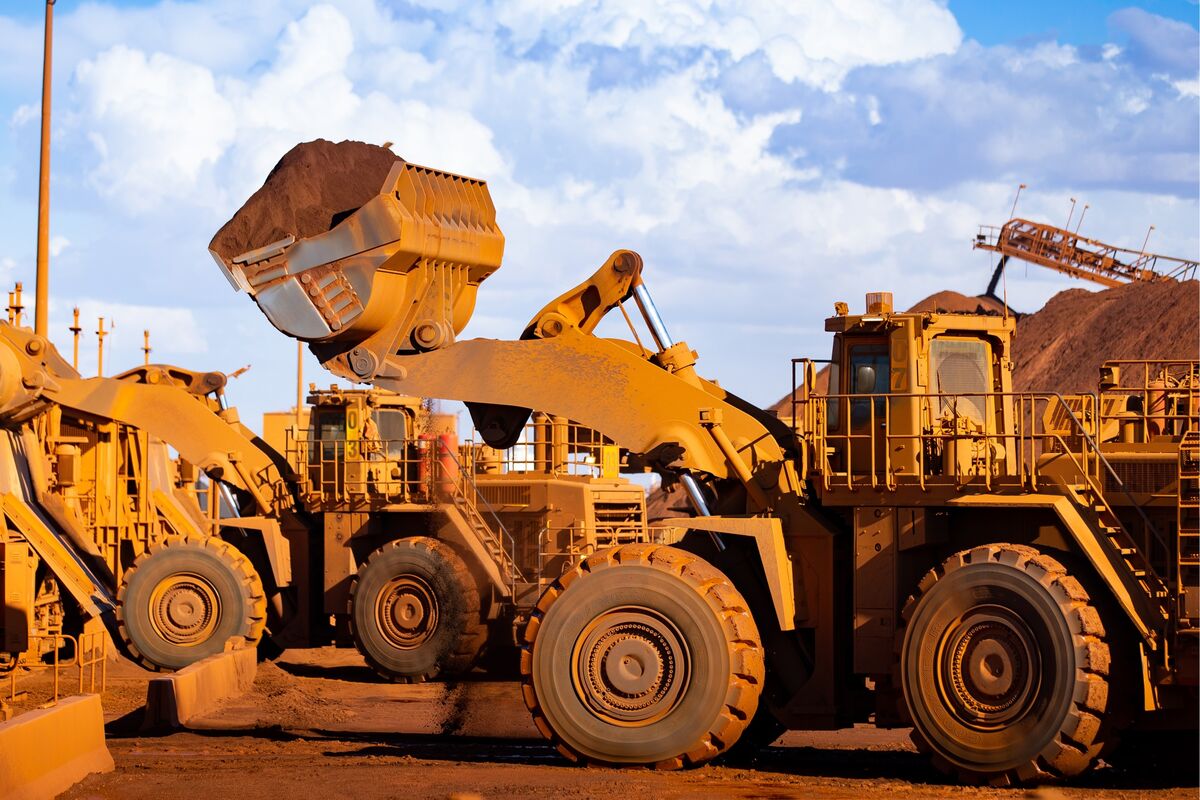
BHP Group’s Port Hedland iron ore terminal workers will strike for eight hours on July 16 after more than six months of failed negotiations. The stoppage involves operators and maintenance staff at the world’s largest iron ore export port, with unions citing pay/recognition for specialist skills and difficult conditions. The near-term risk is reduced supply flow and higher uncertainty around iron ore export logistics.
This is less about one lost shift and more about whether BHP is entering a longer labor-pricing cycle in the Pilbara. A single eight-hour stoppage is usually absorbable through inventory, scheduling, and catch-up loadings, so the first-order EBITDA hit should be minimal unless it triggers demurrage or forces a broader work-rule slowdown. The equity risk is a margin multiple issue: recurring labor friction tends to compress the market’s confidence in operational reliability before it materially changes near-term earnings.
The second-order read-through is broader than BHP. Port bottlenecks in Western Australia can quickly tighten seaborne supply expectations, which supports iron ore prices and indirectly helps the more exposed miners, but the winner is not necessarily the company at the center of the dispute. BHP’s diversification should cushion the P&L versus pure-play peers, while Fortescue is structurally more sensitive to any Pilbara disruption and to any wage reset that raises unit costs across the region.
Contrarian view: the market may overreact to headline strike risk and underprice how much of this can be handled through contingency logistics if the dispute stays isolated. The real catalyst is not July 16 itself; it is whether this becomes rolling action, overtime bans, or a precedent for higher wages at other Pilbara assets. If that does not materialize within 1-3 months, the event fades into noise; if it does, the impact shifts from transitory volume risk to a sustained cost and reliability discount.
AI-powered research, real-time alerts, and portfolio analytics for institutional investors.
Overall Sentiment
mildly negative
Sentiment Score
-0.35
Ticker Sentiment
